Speaker Bios & Abstracts
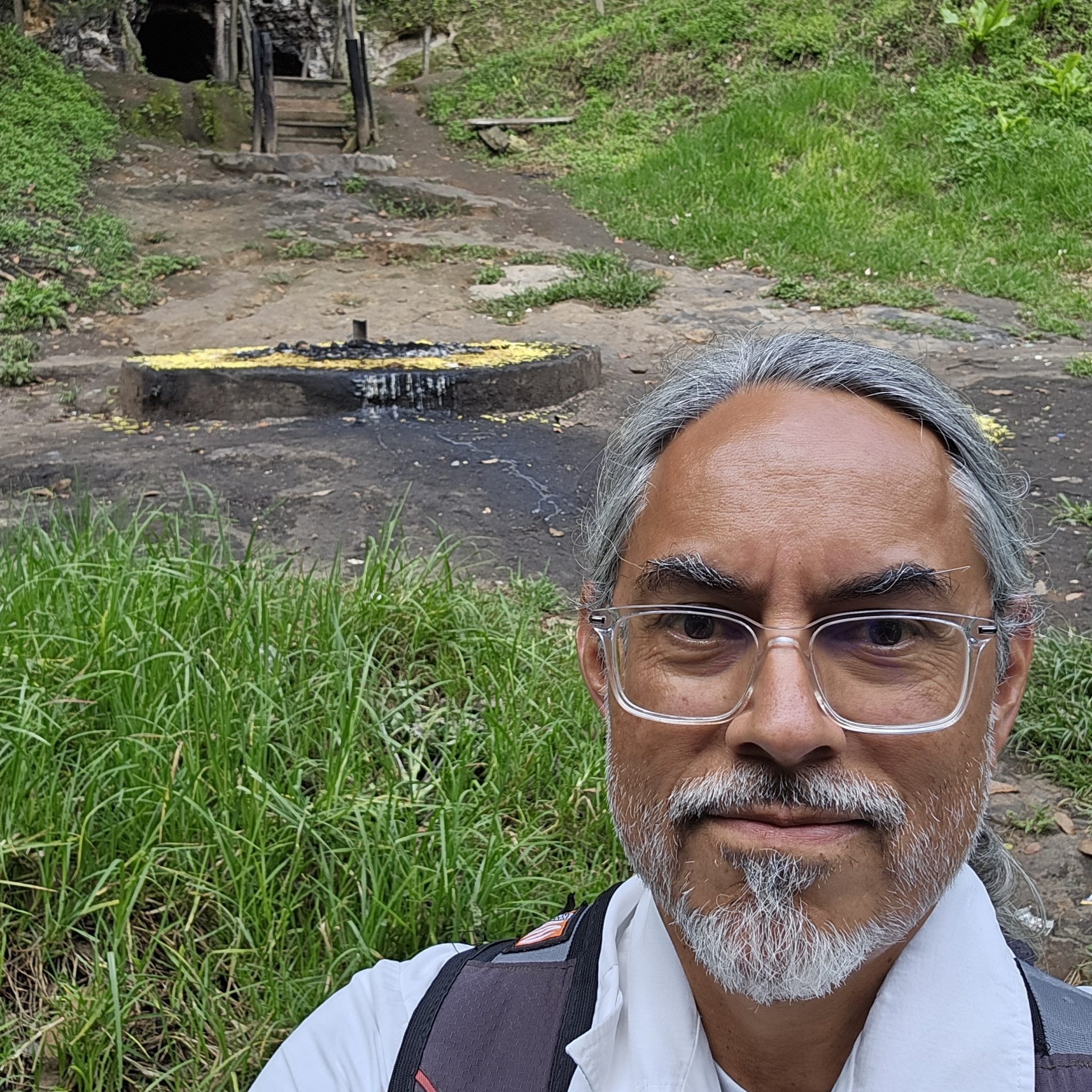
Gerardo Aldana
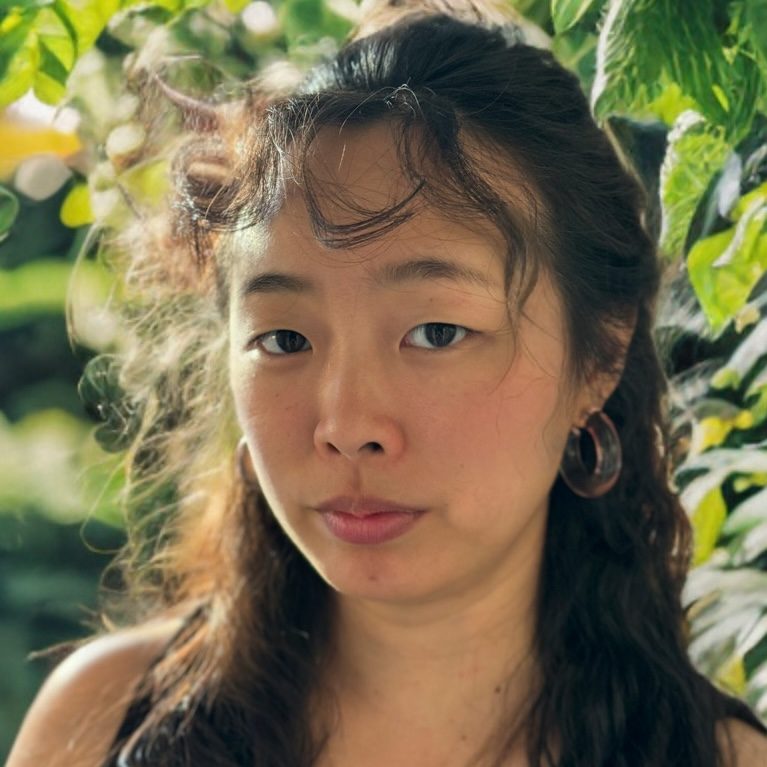
Photo by Xuan Li
Lan Li
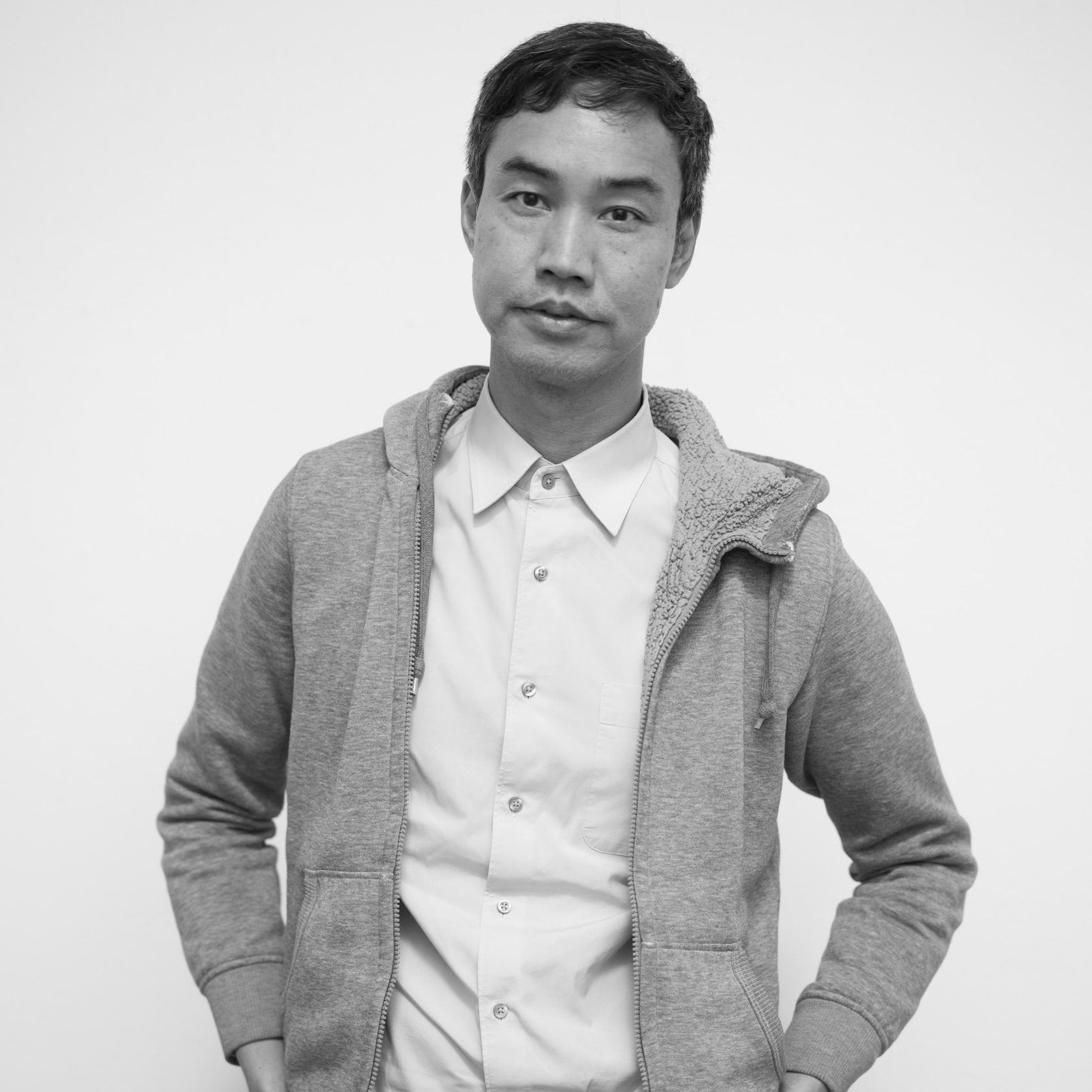
Miljohn Ruperto

Contact:
Stanford Arts Institute
artsinstitute@stanford.edu

Photo by Xuan Li
Stanford Arts Institute
artsinstitute@stanford.edu
A self-portrait composed of identity objects: rings from my mother, the teapot on my coffee table, the graphic on my favorite t-shirt, etc.
2020
Digital Collage
By Phoebe Kimm '20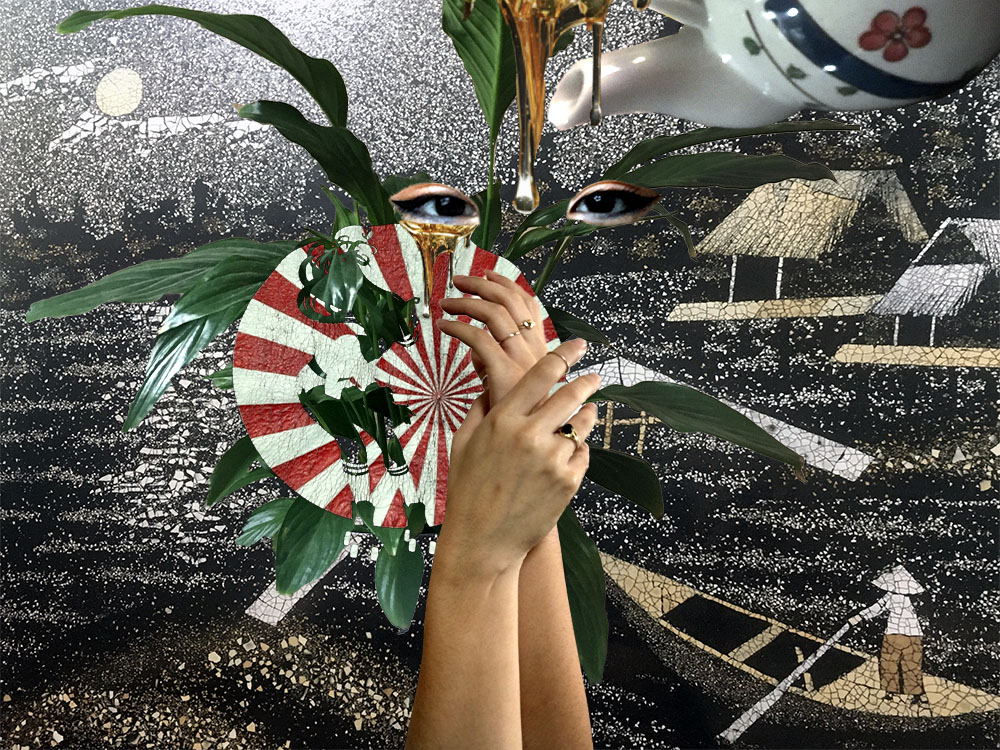
Not sure if this counts, but I created a Stanford logo made from many smaller photos. I can make another one, from more interesting photos.
2020
Digital Photograph
By Alex Fu '22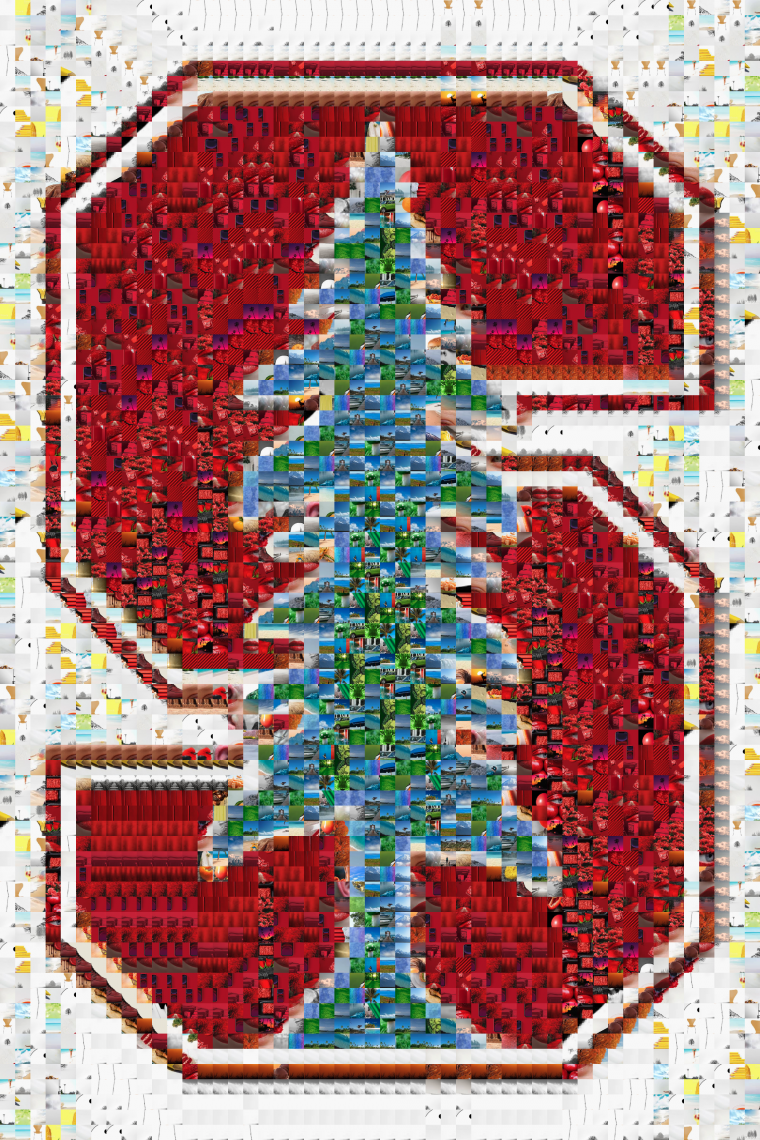
San Francisco at dusk is illuminated by pinpoints of light on the distant hills.
2022
Oil paint on panel
By Christina Kent '22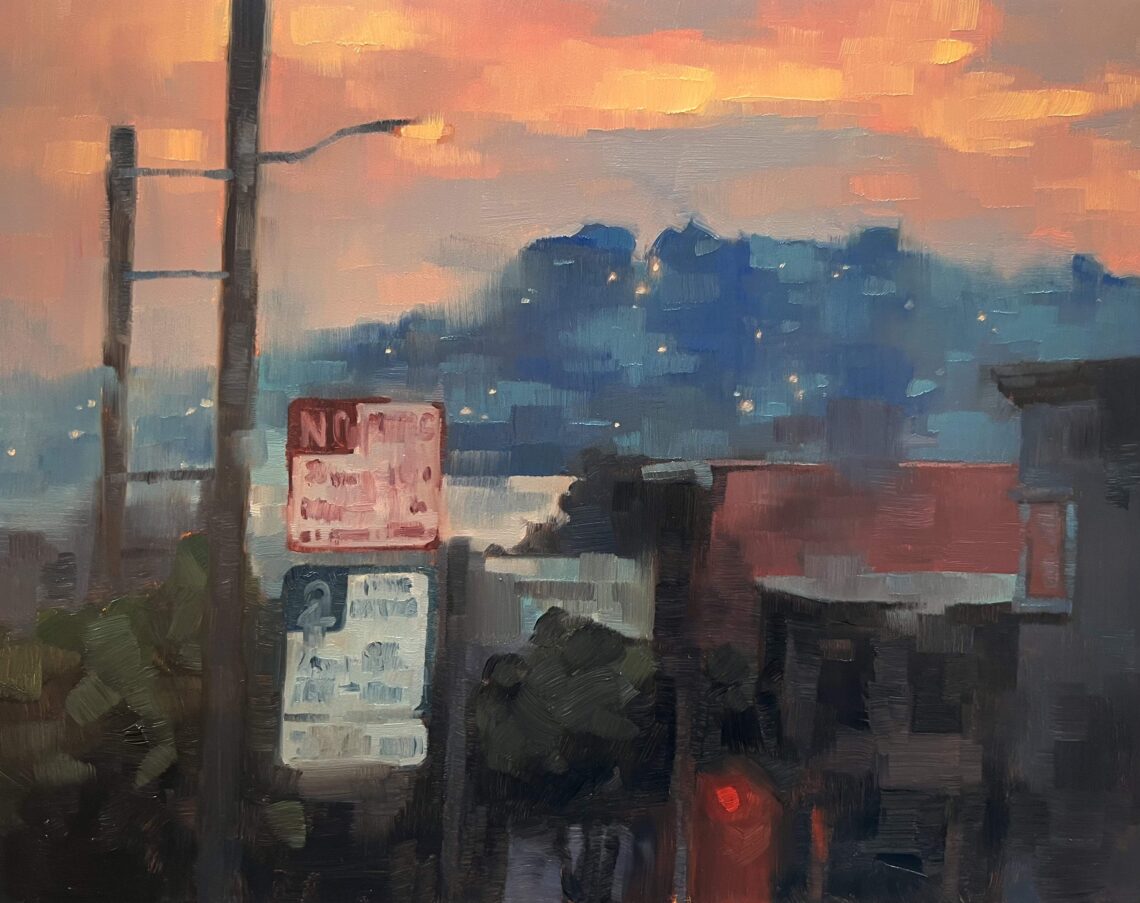
Who are our parents before our births? I wanted to use painting to meditate on loss concretized as memory.
2019
Oil on Canvas
By Regina Kong '22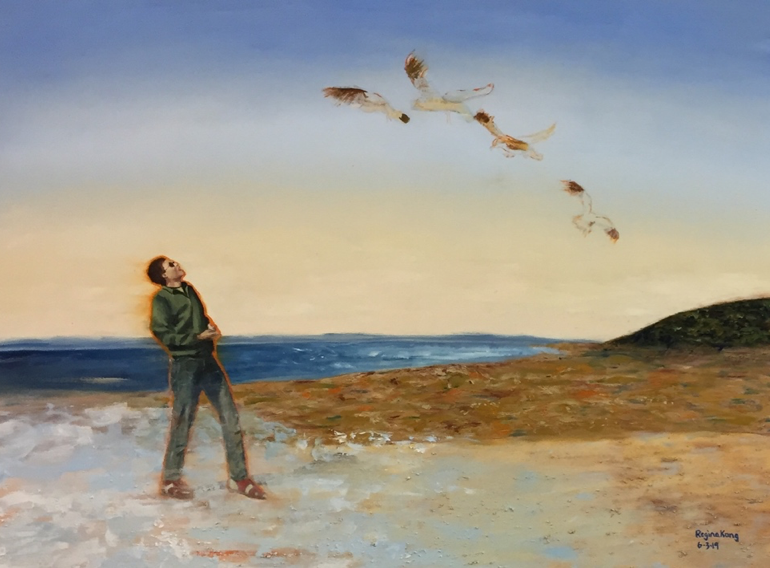
The Andromeda constellation re-imagined, through drawing, through burning holes in paper; how do we impose humanity upon the stars?
2016
Charcoal on paper; flame on tracing paper
By Zhanpei Fang '19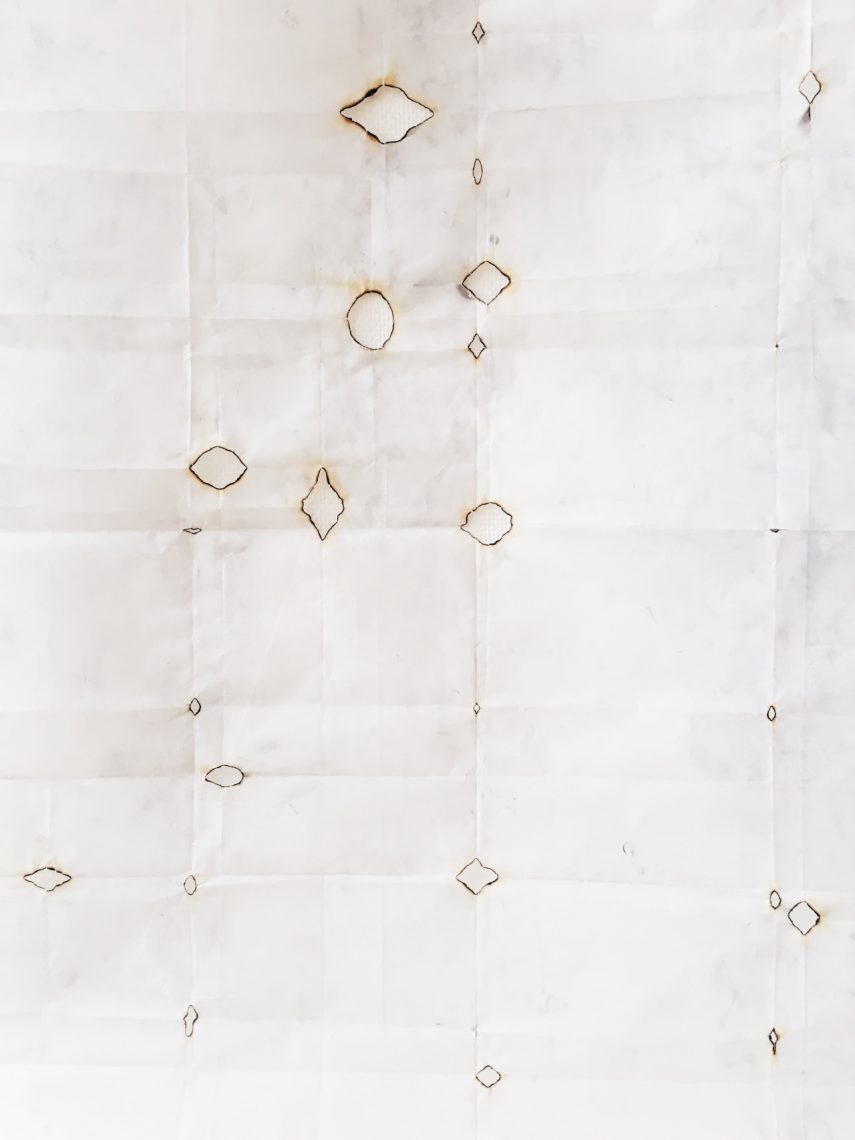
I was looking for a subject I could depict using my new ink pens, and this sculpture was perfect because it included lots of shadows and some colors.
2016
Ink Pen
By Angela Liu '23
Isolation, fear, and uncertainty are themes that come up more in our lives, seen through nighttime photos taken in the woods.
2020
Photography
By Nicholas Robles '20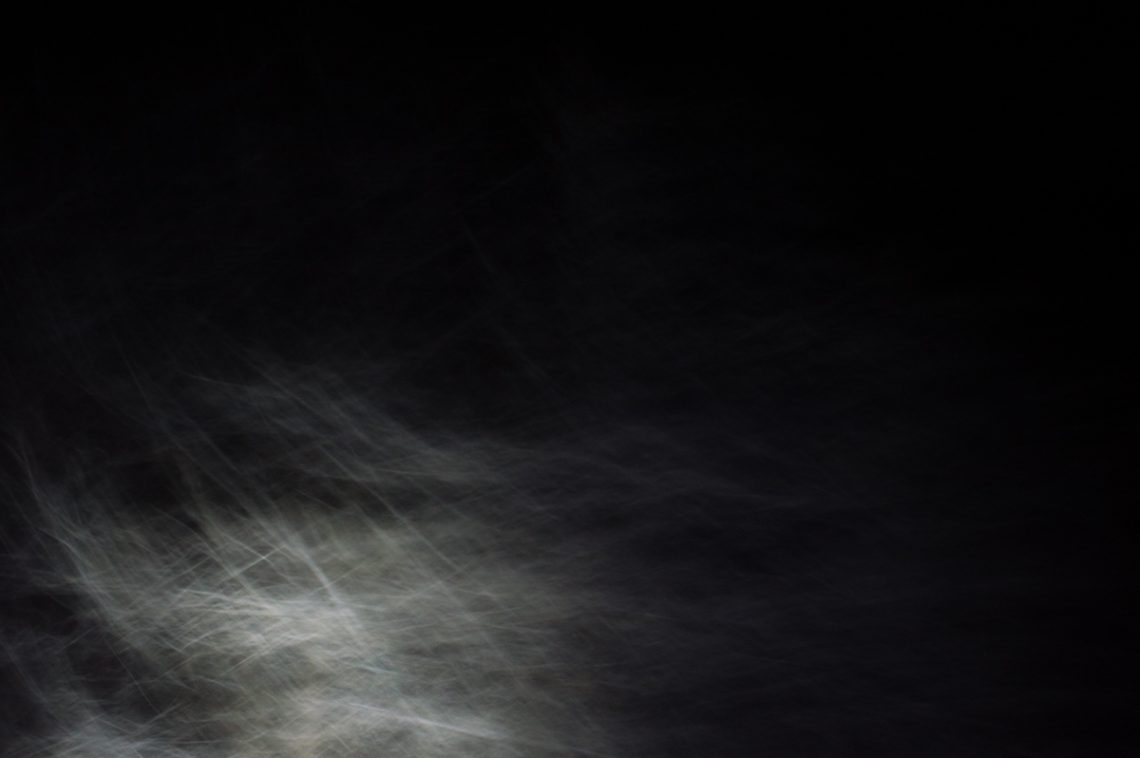
A self portrait done in the style of the Old Masters.
2014
Oil Paint on Canvas
By Francesca Colombo Colombo '19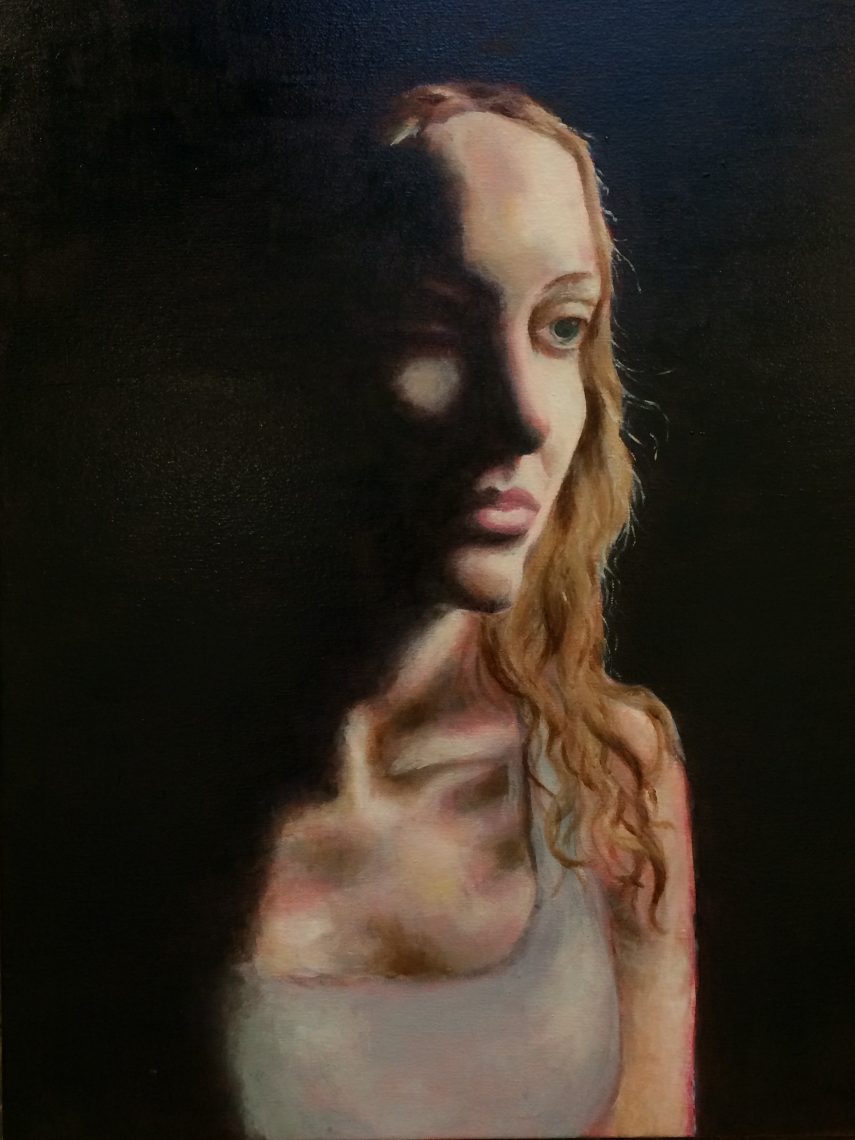
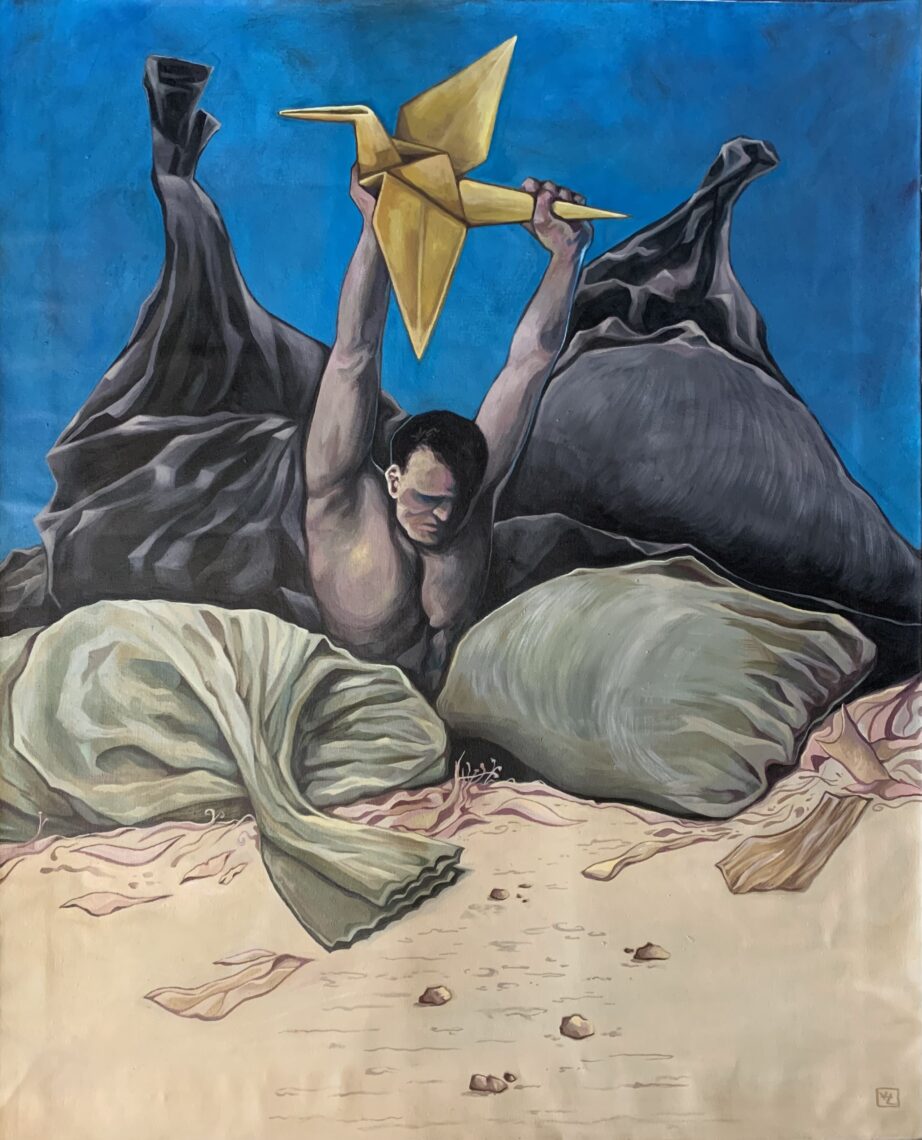
The tradition of monuments uplifts cishet white men through idealized, bodily depictions of men, but queerness transcends the restrictions of the body
2022
Acrylic paint on canvas
By Aileen Rubio '26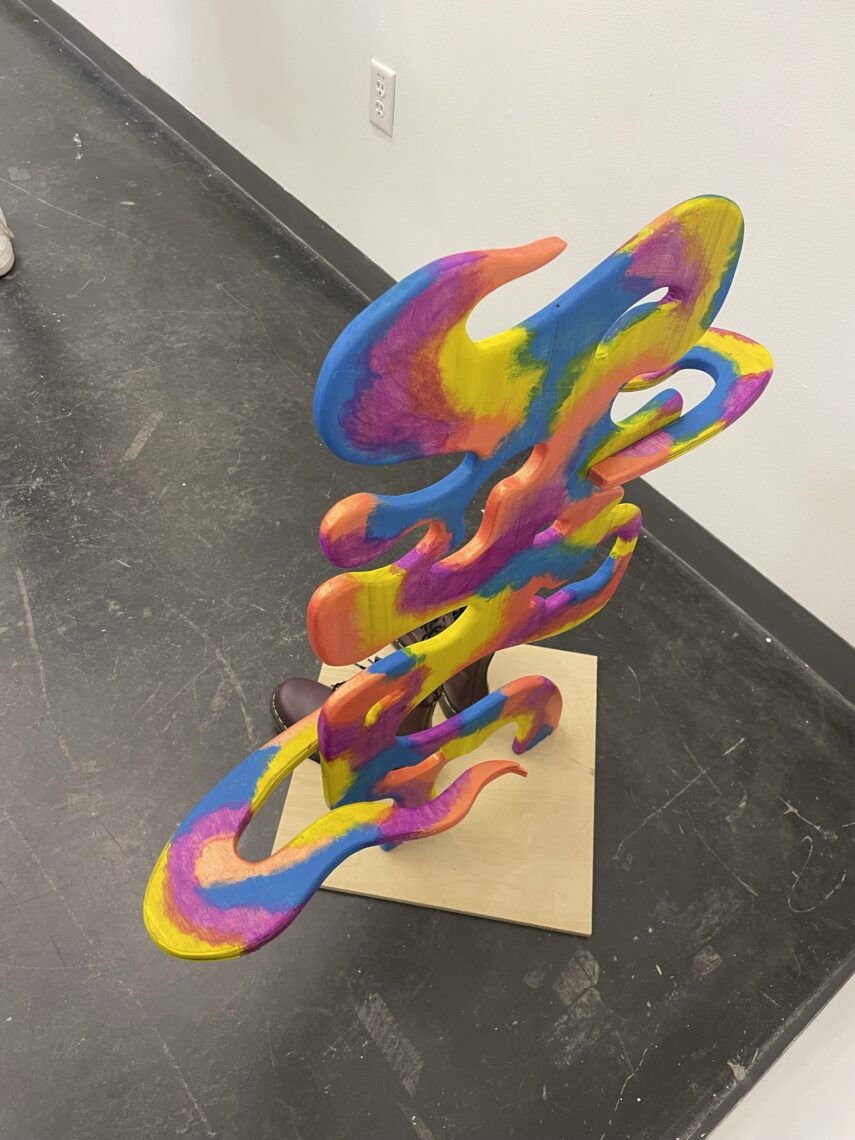
Our hands – bridges, sinewy tendons & arteries – among the last parts dissected because of their distinctly human character.
2015
Photography; De-identified photo taken for artistic purposes with permission from anatomy professors.
By Maia Mosse '20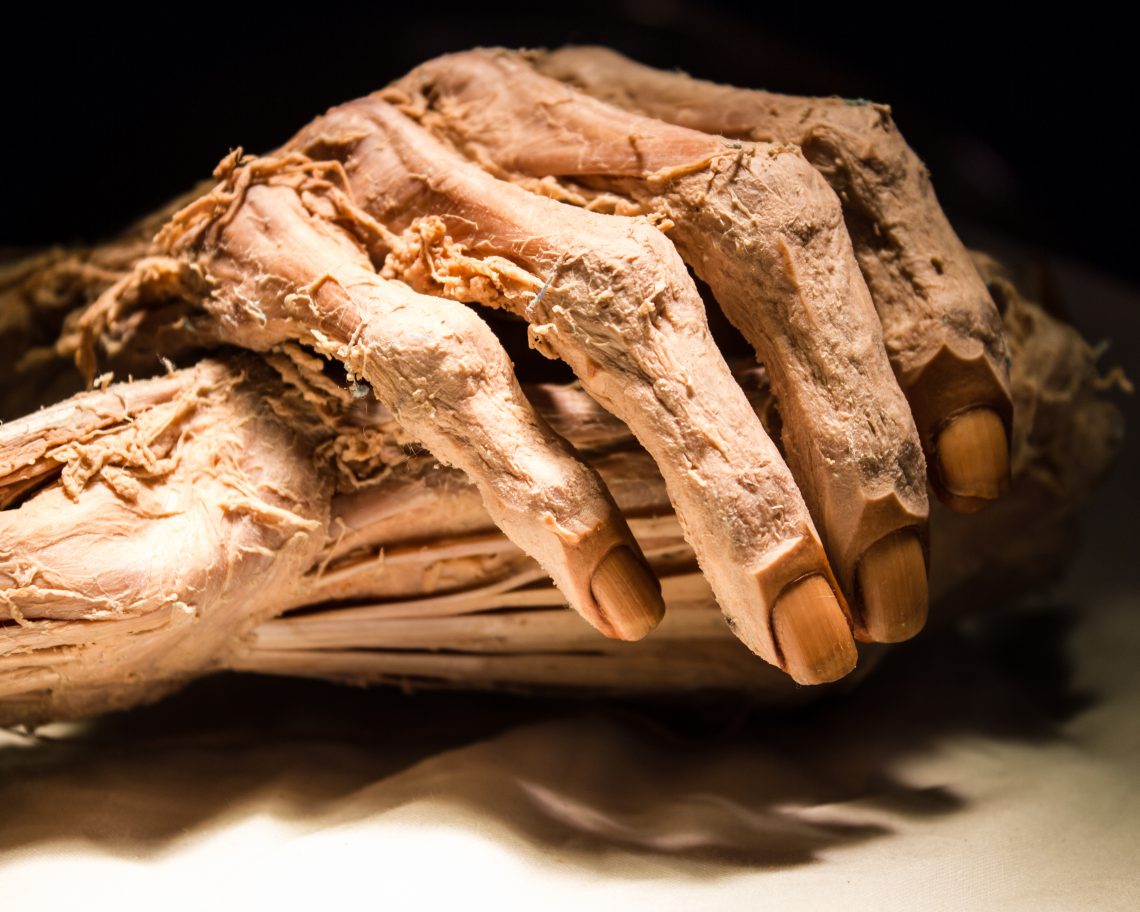
I sought to express the conflicting emotions-guilt as well as pleasure-associating with eating cake.
2016
Ink Resist on Paper
By Brooke Ferber '20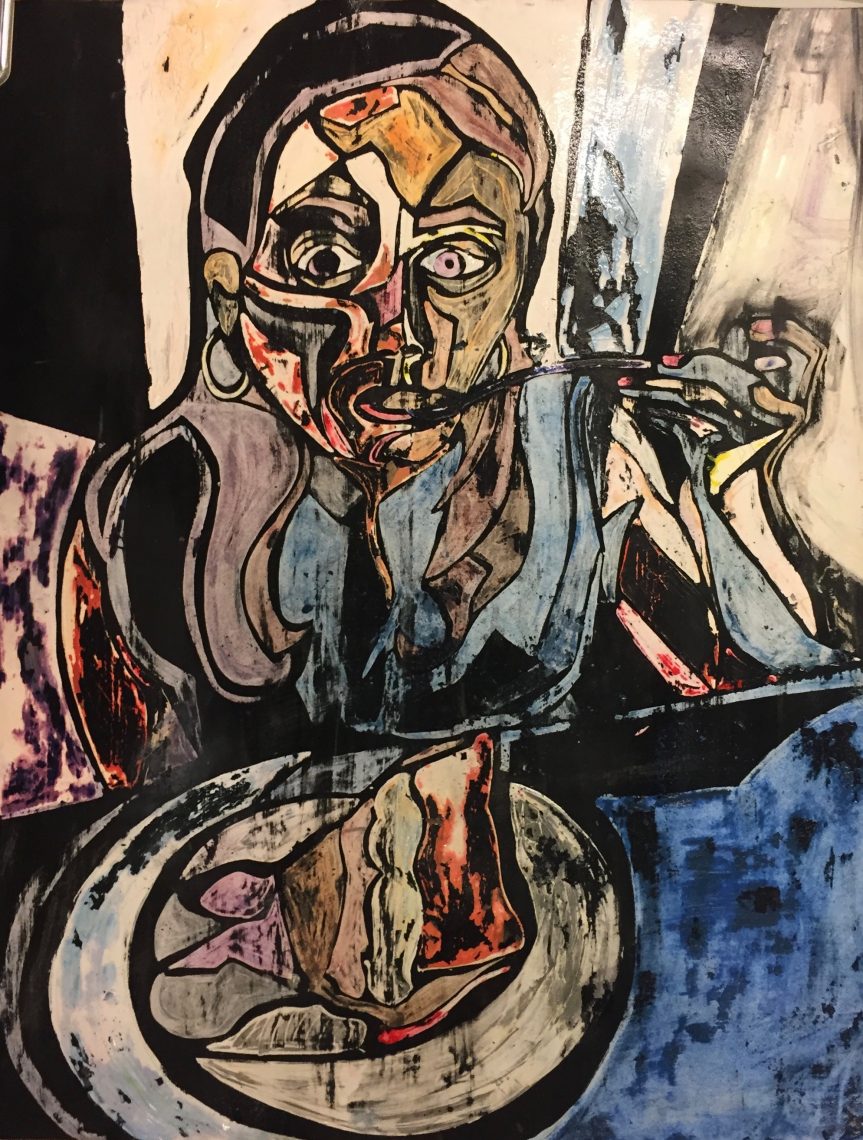
This image plays with scale, texture, and the physicality of water.
2016
Color Film
By Chase Porter '17
A study on ephemeral hands, and an attempt to capture desperate grasping.
2014
Gesso on card.
By Katherine Yang '20
Metamorphosis explores queerness as a transformation, as more than just a sexual identity. See http://stanfordmint.com/metamorphosis/ for full article
2018
Studio photography
By Jessica Yeung '21