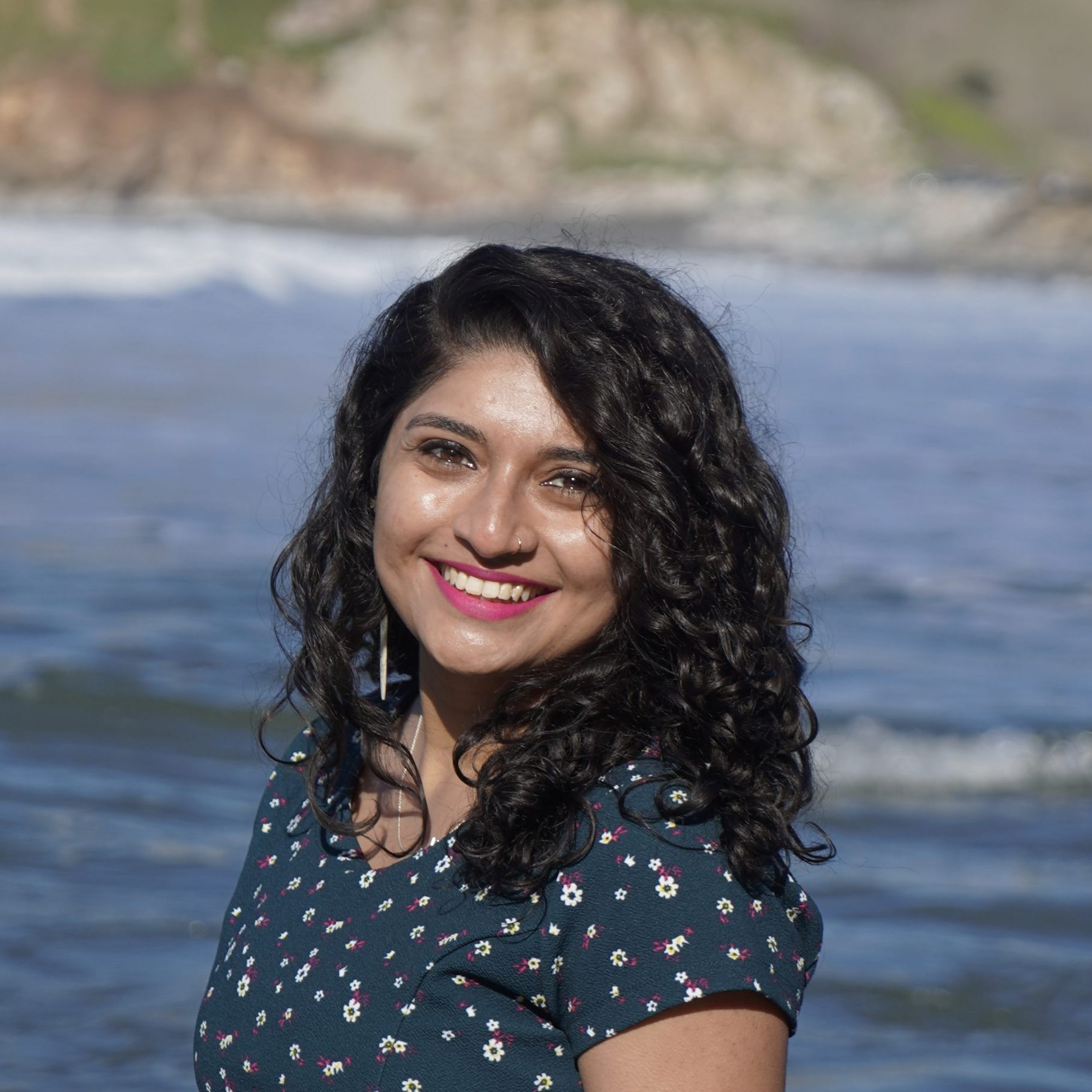
Karishma Bhagani
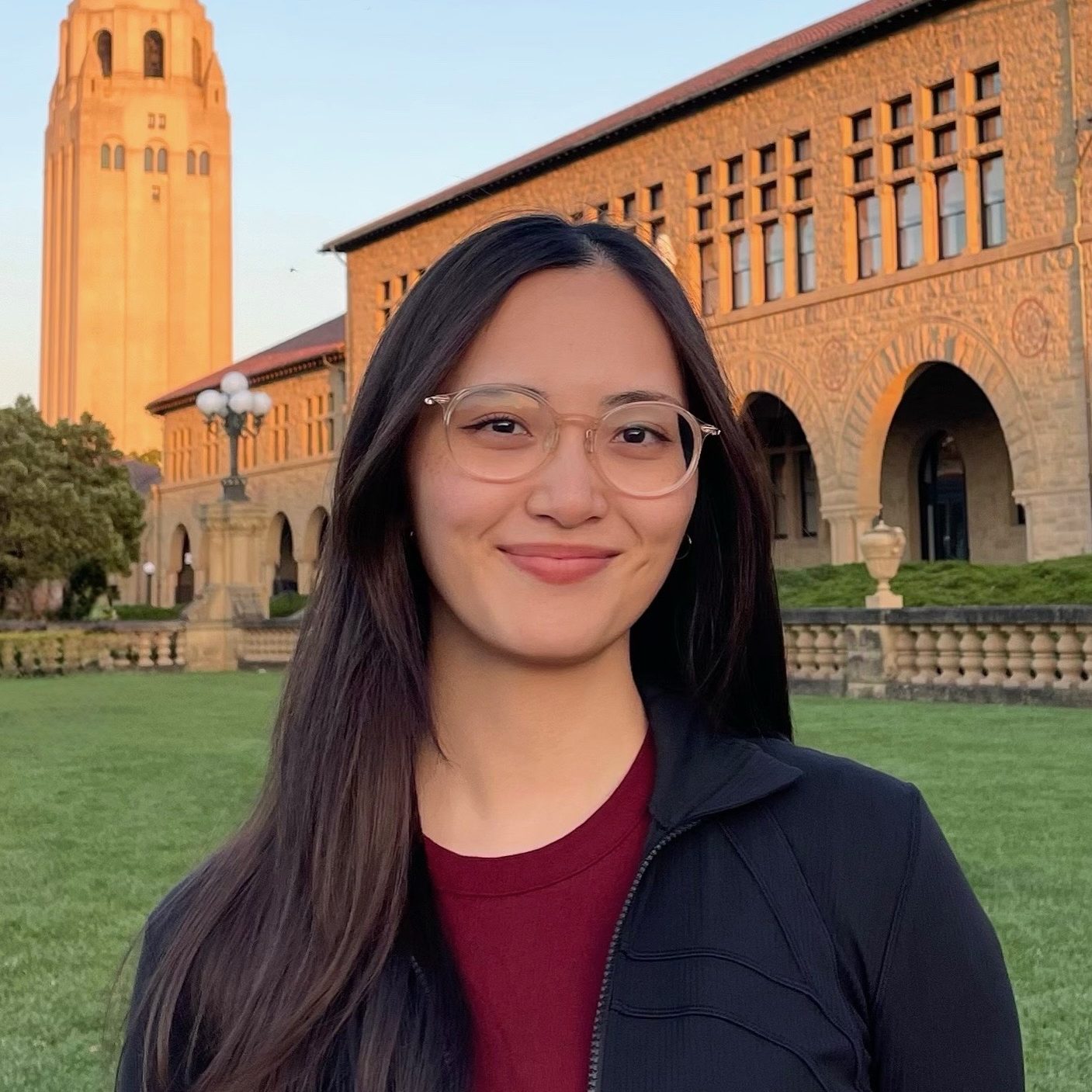
Maika Jones
MCP Certificate Awarded 2025-26
Photo by Mathieu Tailards
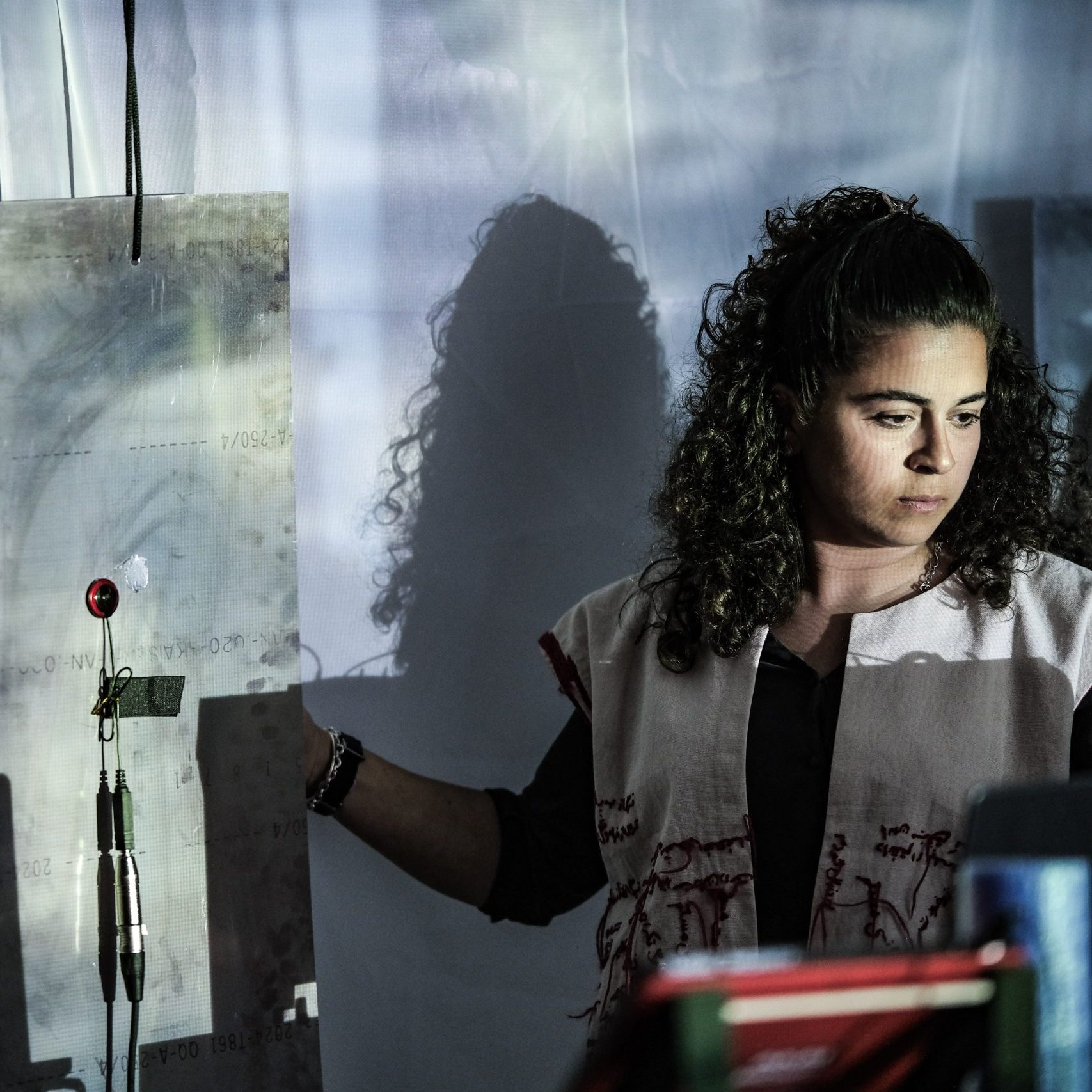
Kimia Koochakzadeh-Yazdi
Contact:
Stanford Arts Institute
artsinstitute@stanford.edu
Karishma Bhagani is a PhD Candidate in the department of Theater and Performance Studies at Stanford University. Her research focuses on cultural production and the creation of sustainable creative economies in Nairobi, and more broadly across the African continent. An African feminist at heart, Karishma’s commitment to creative making and practice comes from a commitment of working from the everyday production realities to develop theories of the production. As a practicing producer and dramaturg, Bhagani is committed to bringing contemporary African stories to global stages. She is currently a Knight Hennessy Scholar and a recipient of the Stanford University RAISE Fellowship.
MCP Certificate Awarded 2025-26
Maika Jones graduated from Stanford University with a bachelor’s degree in International Relations and a master’s degree in East Asian Studies. She has a deep interest in history, storytelling, and creative media, grounded in the belief that “building” forms the common thread among them. Her academic focus lies in how historical narratives can and are portrayed and reimagined through various forms of media, and how these adaptations shape public perception and cultural understanding. Her graduate thesis examined the speculative world-building of East Asian science fiction, arguing that deliberate creative choices made by SF authors generate valuable and prescient insights about human society.
The MCP courses I have taken have shown me that meaningful knowledge often emerges in unexpected places and through modes of engagement that extend beyond the textual. Understanding the world and our place within it is inseparable from the hand’s tactile encounter with materials and processes. During my graduate studies, this idea of “thinking through making” became central to my practice and ultimately drew me to the Making and Creative Praxis program.
Photo by Mathieu Tailards
Kimia Koochakzadeh-Yazdi is an Iranian composer and performer. She writes for hybrid instrumental/electronic ensembles, creates electroacoustic and audiovisual works, builds instruments, and performs electronic music. She explores the unfamiliar familiar while being motivated by how melodies unfold through time. Finding ways to play with various musical thresholds and exploring musical extremes is something that she is currently attracted to. Her work experiments with merging Iranian music with the more contemporary classical music aesthetics.
Being a cross-disciplinary artist, she has actively collaborated on projects evolving around dance, film, and theater. She is the co-founder and producer of Fashion x Electronics, a collective focused on creating interdisciplinary works based on fashion and electronic music.
Kimia’s work has been showcased by organizations across the globe and she has performed internationally. Kimia is currently based in San Francisco and is a doctorate candidate in Music Composition at Stanford University.

I make work that explores sound as an embodied and temporal medium through composition, performance, and the creation of wearable and physical instruments. The Making and Creative Praxis program supports my practice by giving me a framework to critically reflect on how making, material experimentation, and embodied knowledge shape both my creative process and artistic outcomes.
Stanford Arts Institute
artsinstitute@stanford.edu
This is a collage I made featuring my favorite colors. There are bits of paper popping off of the page!
2021
Digital Photograph of Paper Collage
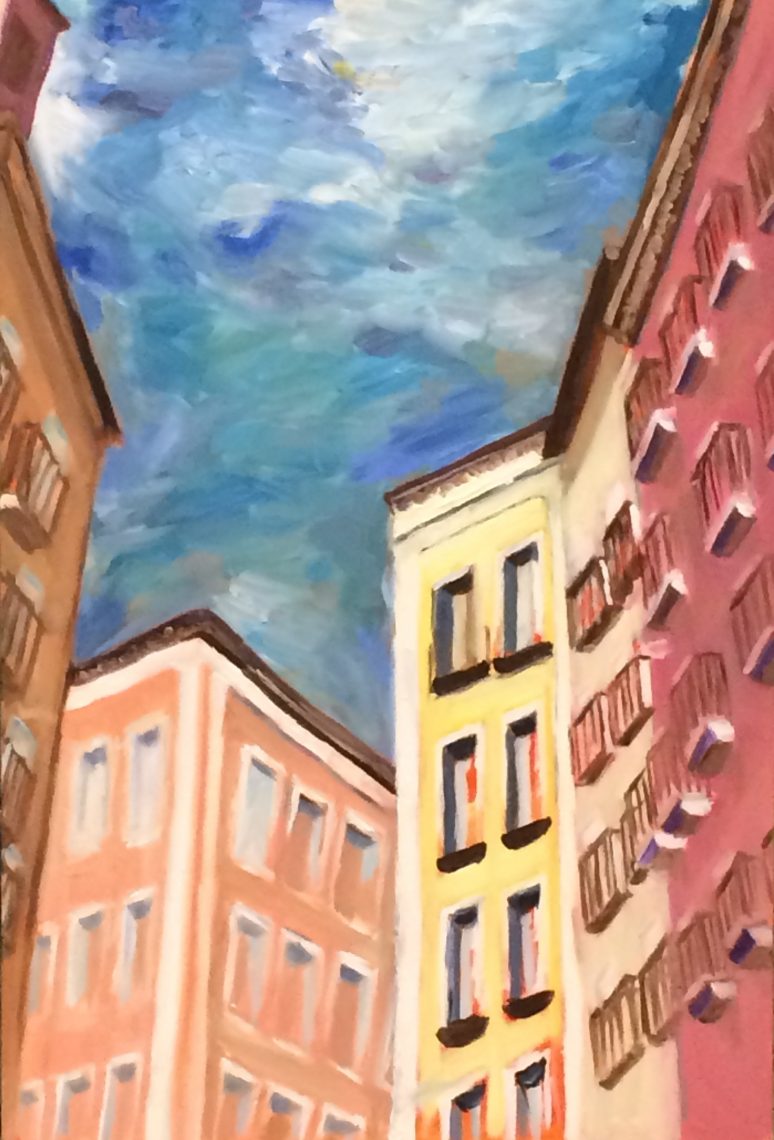
By D Fukunaga-Brates '25History is tied to humanity. There is something heartening about a city that takes pride in its past.
2018
acrylic on canvas
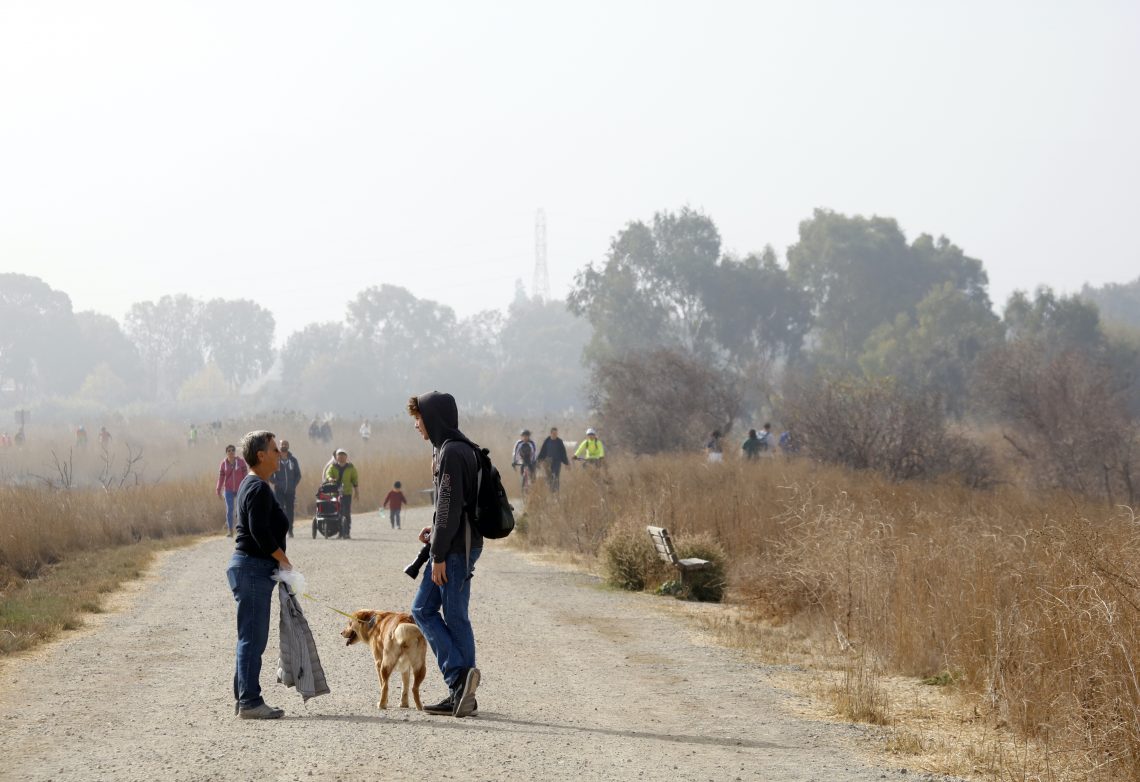
By Vedika Kanchan '23I took this photograph in a forrest in Germany. I wonder what the dog is doing right now.
2016
Color Film
By Chase Porter '17The piece is inspired geometric subdivision, tessellations and fractals, fusing representations from Chinese, Japanese, and Japanese symbolisms.
2017
Laser Cut Birchwood
By Kimberly Te '20This painting speaks to how beauty lies in impermanence, contrasting eternal mountains and passing mist.
2023
ink on rice paper; poetry
By Katie Han '23The security blanket is a metaphor for something we cling to when we are afraid and how it is something we must learn to let it go.
2019
Photography
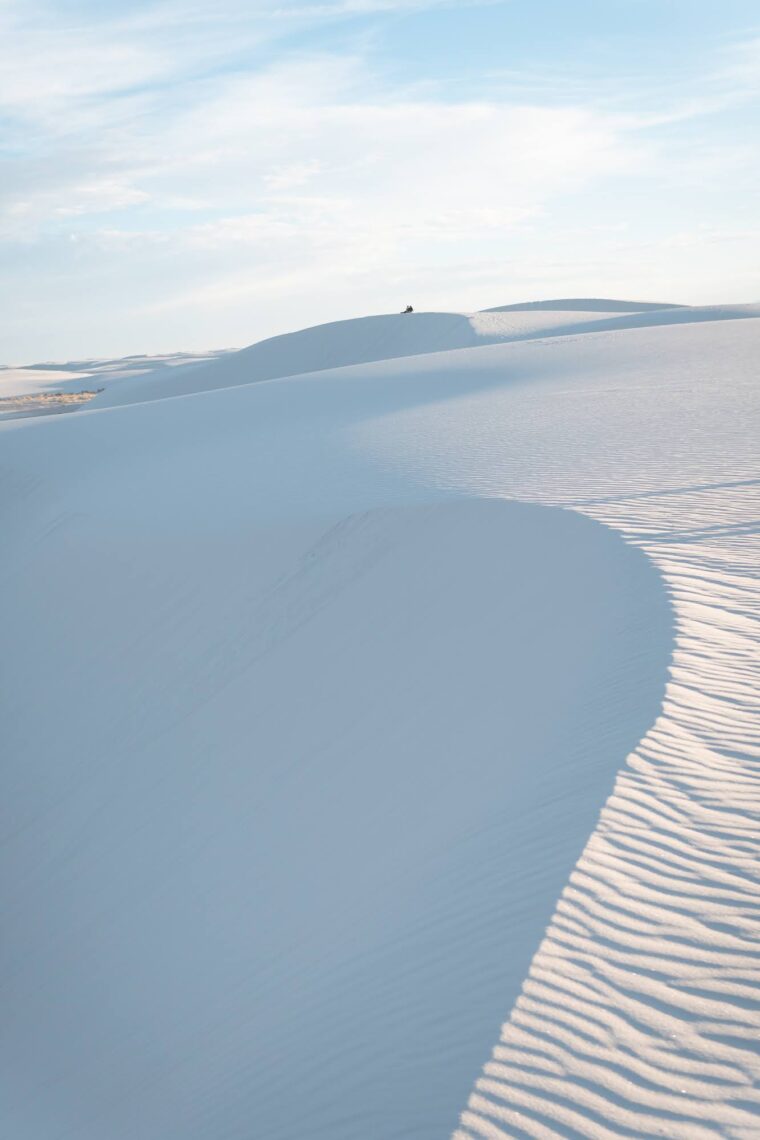
By Kelsey Wang '22As a landscape photographer, I like to see things in different light. These would represent my personal interpretation of Stanford.
2017
Photo
By Lining Sun '18Giant ladle meant to represent heaven, a room where everyone figured out that to feed themselves, they have to feed each other. + Harley Quinn’s bat
2023
Wood sculpture, Metal Sculpture. Can also display photos attached instead
By Saanvi Bhatia '27A close-up, multi-colored rendering of Eppendorf tubes illustrates that Lab Life is not as monochromatic as it appears.
2019
Oil paint on Canvas
By Mackenzie Carlson '23A collage with the background of a digital re-illustration of Hokusai’s The Great Wave Off Kanagawa to portray our poor disregard and care of Earth.
2019
Digital illustration and collage
By Elaine Park '21These sculptures are abstract representations of my reflections on intimacy as being fluid, not rooted in rigid definitions.
2022
Wood sculpture
By Bryan Defjan '24Collage exploring feminist and bioethical discussions of reproductive technologies. Previously featured at the Medicine & the Muse Student Symposium.
Link to Artwork
2024
As a landscape photographer, I like to see things in different light.
2016
Photo with artistic editing
By Lining Sun '18A self portrait done in the style of the Old Masters.
2014
Oil Paint on Canvas
By Francesca Colombo Colombo '19This piece grapples with the difficulty of forgiveness. Opposing forces compete: luminosity and shadow, serenity and grief, redemption and regression.
2022
Oil on canvas
By Jackie Liu '25Koreanthian is based on merging different architectural styles that transcends geographical, cultural, and historical differences.
2024
Pen & Ink Drawing on Bristol Paper
By Austin Kim '27I use this artwork to ask, “What has become of our childhood innocence?”
2019
ink on paper, collage
By Helena Zhang '22