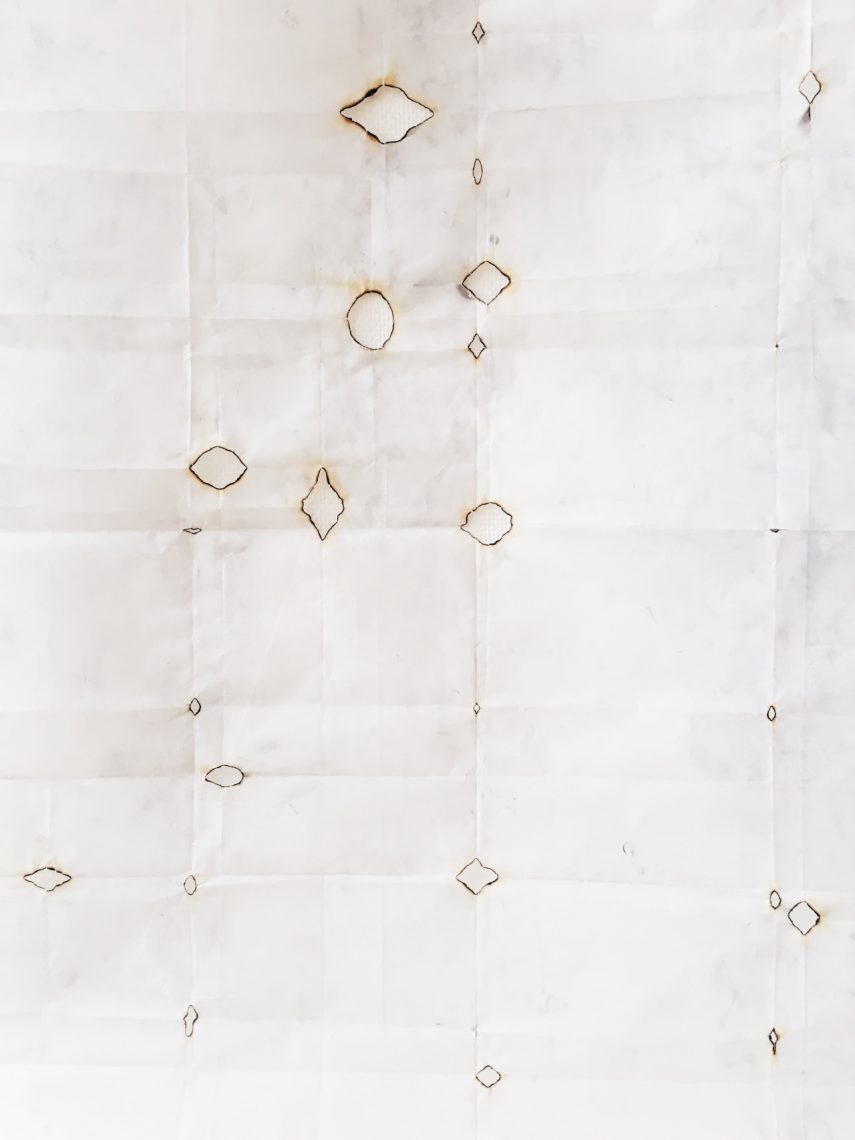
artsCatalyst 2025-26 Fellows
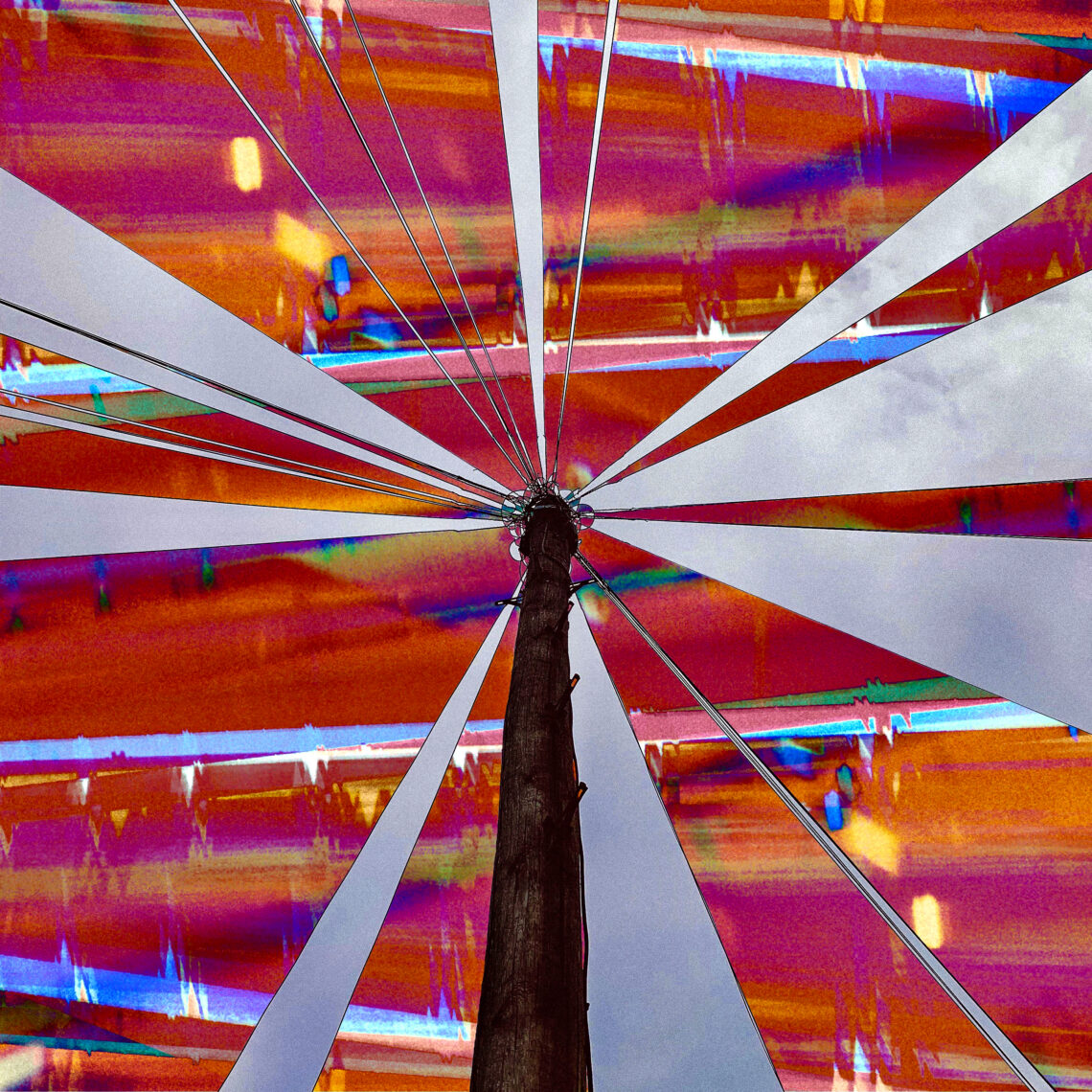
Fathom, Camille Utterback (2025)
2025-26 artsCatalyst Fellows
The new artsCatalyst Fellows program brings together an annual cohort of course instructors to discuss arts integration pedagogy, workshop course ideas and syllabus strategies, and develop bigger ideas around roles for art in teaching and research across wide-ranging academic disciplines.
Looking for information about the artsCatalyst course enhancement grants? Visit the grant page here.
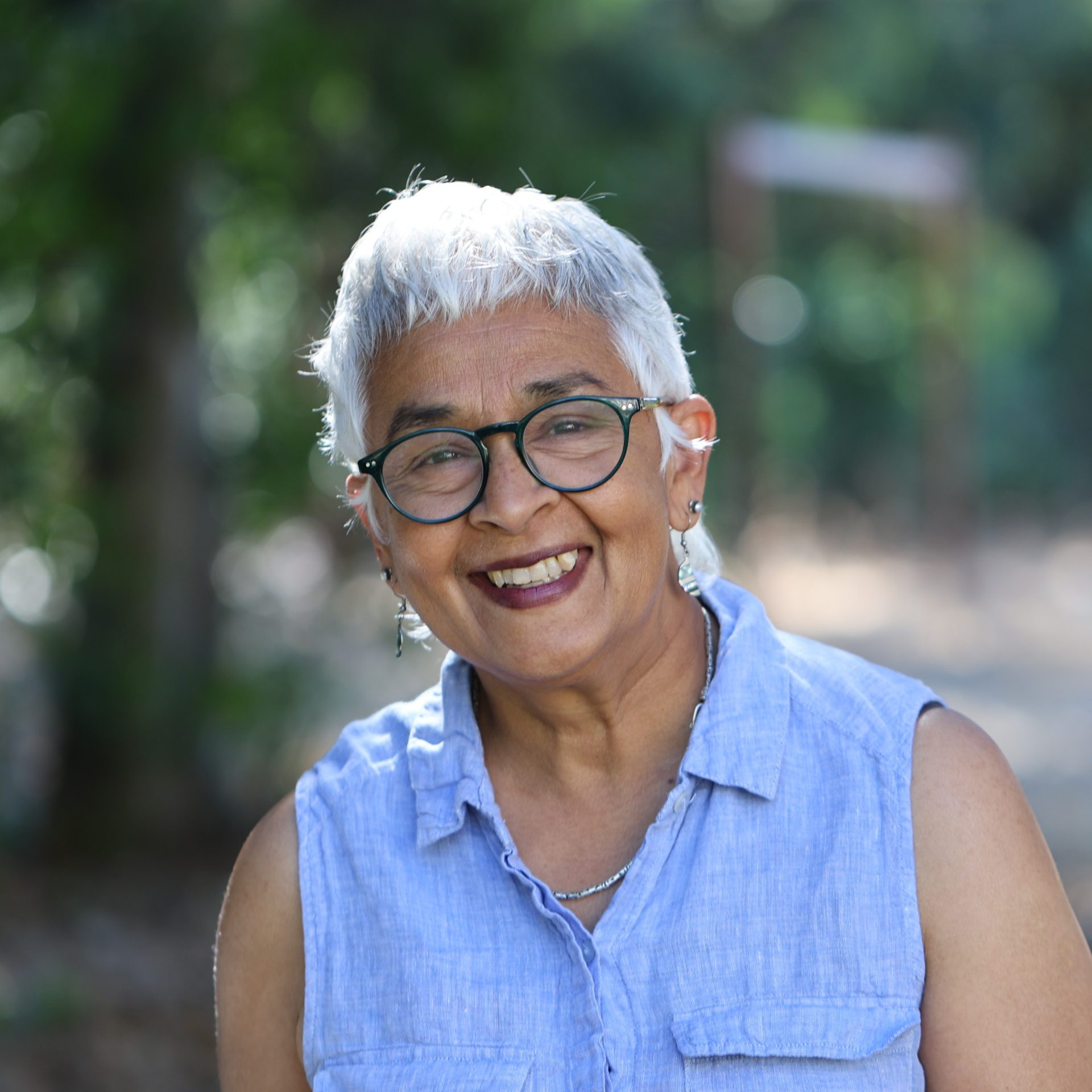
Devaki Bhaya
Professor (by courtesy), Biology
Senior Staff Scientist, Carnegie Institution for Science
I grew up in India, went to college in Kolkata and then to graduate school at Cornell University, where I studied plant biochemistry. After a short postdoc, I returned to India to help start the Centre for Biotechnology, Jawaharlal University in Delhi. For much of my research career, I studied the molecular intricacies of an ancient and fascinating phylum of photosynthetic microbes called cyanobacteria. Moving on from this strictly reductionist approach, I have now become very interested in the organization and evolution of photosynthetic communities. I enjoy collaborating with scientists who have very different expertise than mine. I read poetry, love aimless walks visiting museums, teaching and exploring the intersection of art and science.
Research in the Bhaya lab is driven by an interest in understanding how photosynthetic microorganisms perceive and evolve in response to multiple environmental stressors, such as light, nutrients and viral attack. The team focuses on cyanobacteria which are abundant, globally relevant, and have been used to probe environmentally important processes ranging from photosynthesis to symbioses to circadian rhythms. They work both with model organisms and with cyanobacteria in naturally occurring communities. Recently, they have started to think about the impact of viruses and toxic algal blooms on the environment.
This Fall, Devaki will be teaching an Introductory Freshman Seminar, Peregrination with Trees that builds on earlier courses “Party with Trees” and “Partner with Trees.” As part of this course, she'd like to develop projects with artists on campus that inspire curiosity. Some possibilities include a small garden space for the use of scientists and artists, an exhibition of late artist-scientist, Vince Pane’s wooden sculptures, and a cyanotyping workshop.
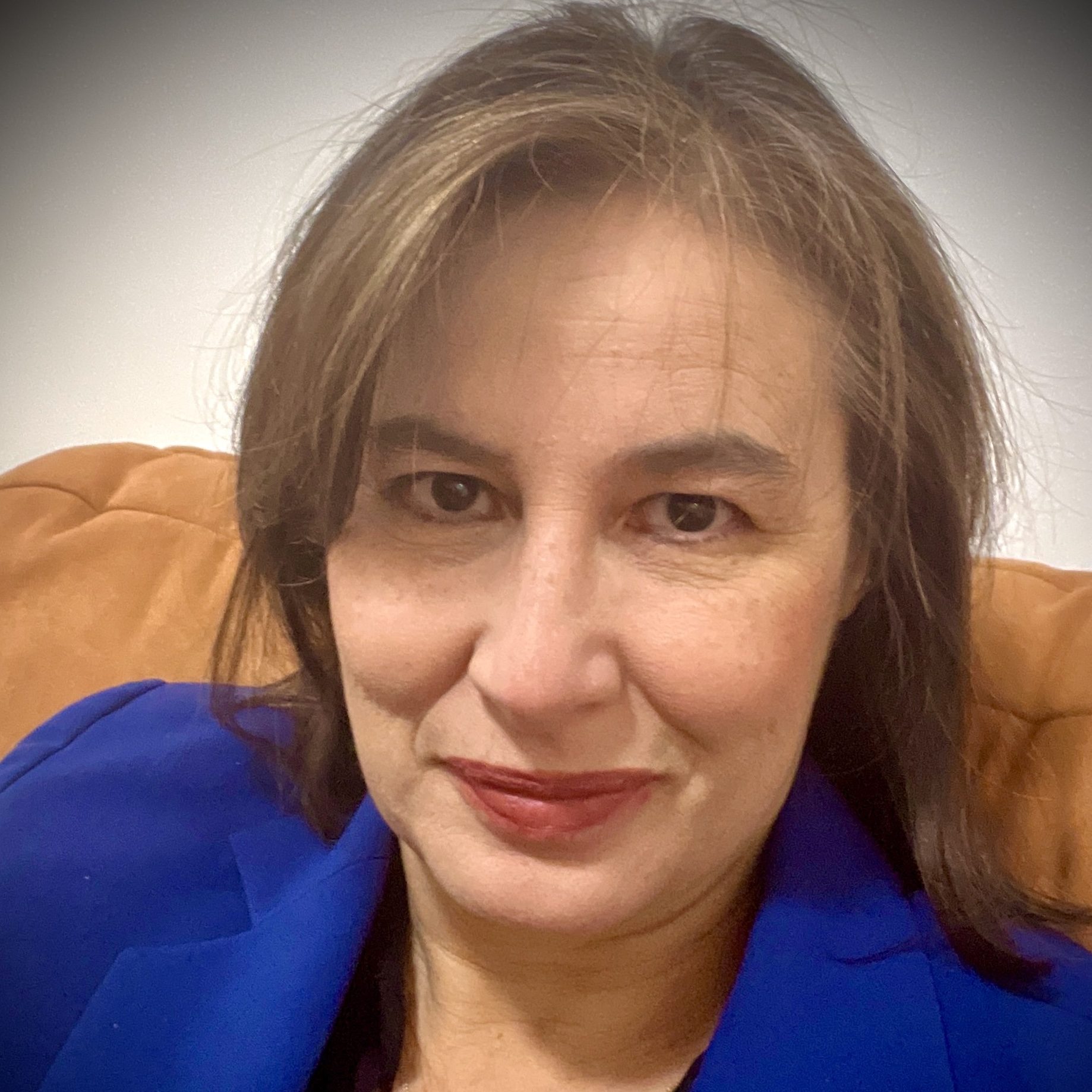
Marie-Louise Catsalis
Lecturer, Music
Marie-Louise Catsalis is a conductor, vocal coach and keyboard accompanist (piano and harpsichord). Trained as a pianist, she completed a graduate opera repetiteur’s course at the Sydney Conservatorium; she also took part in the Pacific Music Festival, Sapporo, Japan, where she gave recitals with chamber soloists of the Vienna Philharmonic and Santa Cecilia Orchestras, played in the festival’s orchestra under Michael Tilson Thomas, and worked with composer Lou Harrison. Thereafter, she began to specialize in vocal music of the Italian Baroque, taking lessons in Italy and eventually completing the Master of Music degree at the University of New England, Australia. She went on to doctoral studies at the University of Newcastle, Australia, which focused on the serenatas or occasional vocal music of Alessandro Scarlatti. She has presented papers and lecture/recitals at the Society for Seventeenth-Century Music, the Society for Eighteenth-Century Music, the American Handel Society, the Musicological Society of Australia, and the American Musicological Society. Her critical editions have been published on the Web Library of Seventeenth-Century Music and A-R Editions Recent Researches in the Music of the Baroque Era. Marie-Louise has produced and musically directed many operas and musicals at Stanford since her arrival in 2010, including The Ballad of Baby Doe, A Little Night Music, Company, various reimaginings of the works of Mozart such as Figaro’s Wedding or the Count Curtailed and Mozart’s Seven Deadly Sins, Bernstein’s Candide and Trouble in Tahiti, and most recently, Sondheim’s Into the Woods, to name just a few.
Marie-Louise is committed to making the genre of opera an integral part of liberal arts education at Stanford. Housed in Residential Education, her production of the Weil/Brecht chamber opera The Yes Sayer was included in part of the COLLEGE curriculum last year. She hopes to further expand curricular ties with a performance of Menotti’s The Medium in 2025-26.
Beverly Choe
Lecturer, Civil & Environmental Engineering
Associate Director of Stanford’s Sustainable Architecture+Engineering program
Beverly Choe is an Associate Director of Stanford’s Sustainable Architecture+Engineering program, and a licensed architect. She teaches design studios and co-teaches Responsive Structures, a design build course that merges structural and spatial experimentation in the production of full scale art installations. She is interested in how innovation with light, materiality and structure can expand spatial practices.
With input from the artsCatalyst cohort, Beverly hopes to develop potential assignments for a new course in which students will experiment with a range of locally-sourced bio-based materials to produce architectural elements, both manually and digitally. The course will help students link material choices with sustainable practices and encourage them to explore color, texture, transparency, translucency, porosity to create atmospheric and architectural experiences.
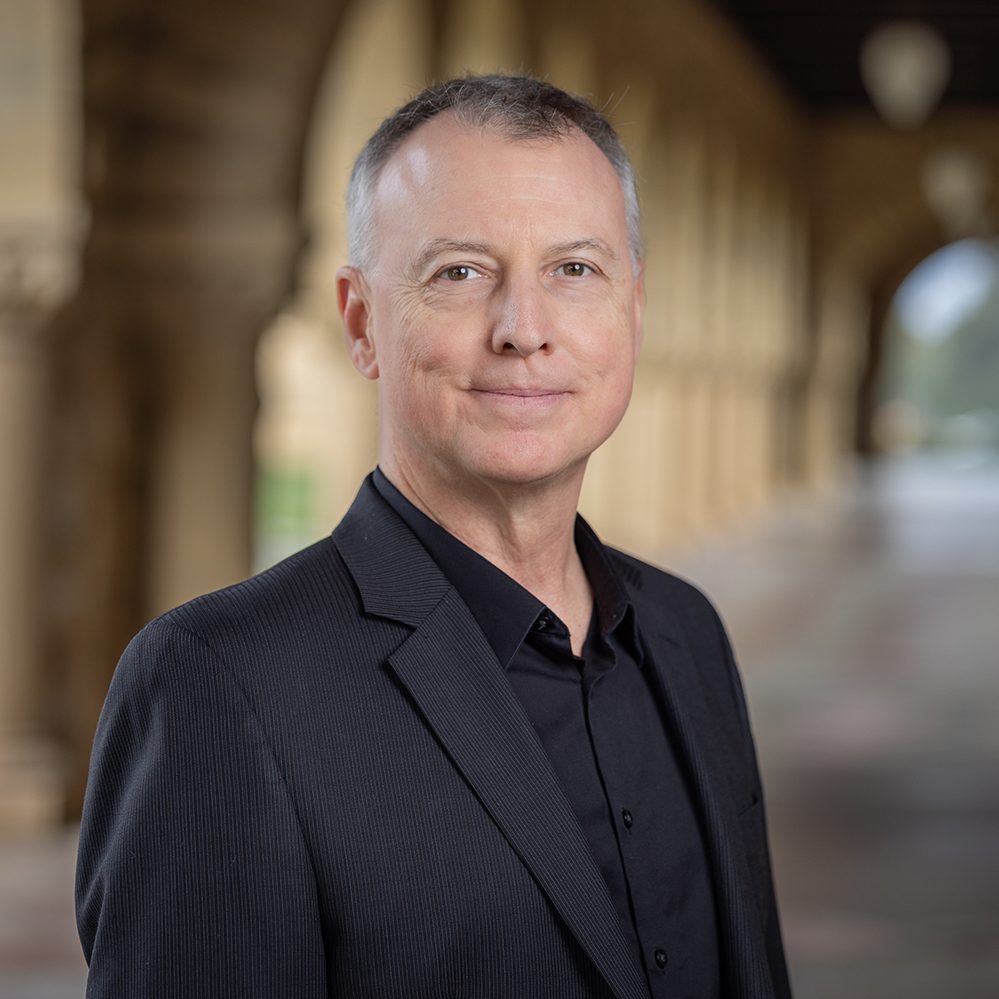
Marcelo Clerici-Arias
Advanced Lecturer, Economics
Marcelo Clerici-Arias is the Director of Honors Programs at the Department of Economics and the Public Policy Programs at Stanford. For a dozen years Marcelo was the Associate Director of Stanford's Center for Teaching and Learning, working with faculty and graduate students on pedagogy across disciplines. Marcelo has worked on the implementation and assessment of several active learning techniques, among them just-in-time teaching, personal response systems (clickers), team-based learning, as well as active learning spaces. In the past several years, Marcelo has focused on how to structure courses to encourage students to produce original work.
Marcelo hopes to deepen the impact of his Persuasive Economic Storytelling courses by connecting with other arts integrators to refine ideas and create new post-course pathways for his students. He’s also interested in discussing best practices for the use of AI in courses that integrate art in general, and creative writing in particular.
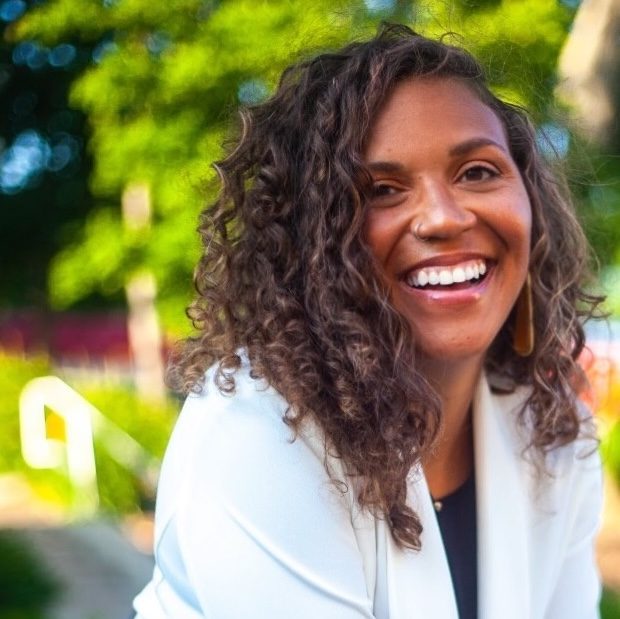
Katie Dieter
Director of Advanced Studies & Community Engaged Learning
African and African American Studies
Before joining Stanford in 2020, Dr. Katie Dieter spent four years at the Edna Manley College of the Visual and Performing Arts in Kingston, Jamaica, as a Senior Lecturer where she was housed in both the Art & Art History and Humanities departments. She also served as adjunct faculty in the Cultural Studies Department at the University of the West Indies, Mona (UWI). With an academic and artistic background in African American and African Diaspora Studies, Gender Studies, and Studio Art (metal sculpture, furniture design, and painting), Katie’s research and artistic practice explore how the visual and performing arts serve as methods of knowledge production, resistance, and community building. Her work engages themes of Black diasporic identity, personal narrative, meanings of home, belonging, and community engagement.
As part of her role as Director of Advanced Studies and Community Engaged Learning in the Department of African and African American Studies, she manages the department’s honors program, teaches the capstone and honors courses, and leads a Global Arts Seminar in Kingston, Jamaica, centered around the themes of knowledge production, resistance, and community through the arts. She also leads a photography project in Ghana with students enrolled in Ato Quayson’s Global Seminar in Accra, culminating in a photography exhibition she curates after the course ends. The exhibition also features work from students in her Kingston Global Seminar, creating a diasporic dialogue through photography. In addition, she designs and supports community-engaged learning initiatives and courses across the department. Dieter is also a fellow at Stanford University’s Haas Center for Public Service and in June 2025, she was named one of the African American Community Services Agency’s Power 100, honoring Black leaders across industries in Silicon Valley for their significant impact, outstanding service, and dedication to the community. She is also a member of the Visual Philosophy Studio in San Jose, California, which houses her art studio and serves as a creative community in the heart of Silicon Valley. Dr. Dieter continues to play an integral role in shaping the growth of the newly established Department of African and African American Studies at Stanford, which proudly celebrated its first anniversary in 2025.
Katie plans to deepen her interdisciplinary arts integration pedagogy and workshop ideas for her course The Arts in Jamaica. One of her favored approaches to arts integration is using photography as visual storytelling, inviting students to pair image-making with reflective writing to explore identity, culture, space/place, and representation. Katie incorporates community-engaged learning in the arts into her class, creating a unique structure that immerses students in Kingston’s vibrant arts communities. This approach fosters meaningful, reciprocal, and often spontaneous connections that are transformative for both the students and the community members they engage with through the arts.
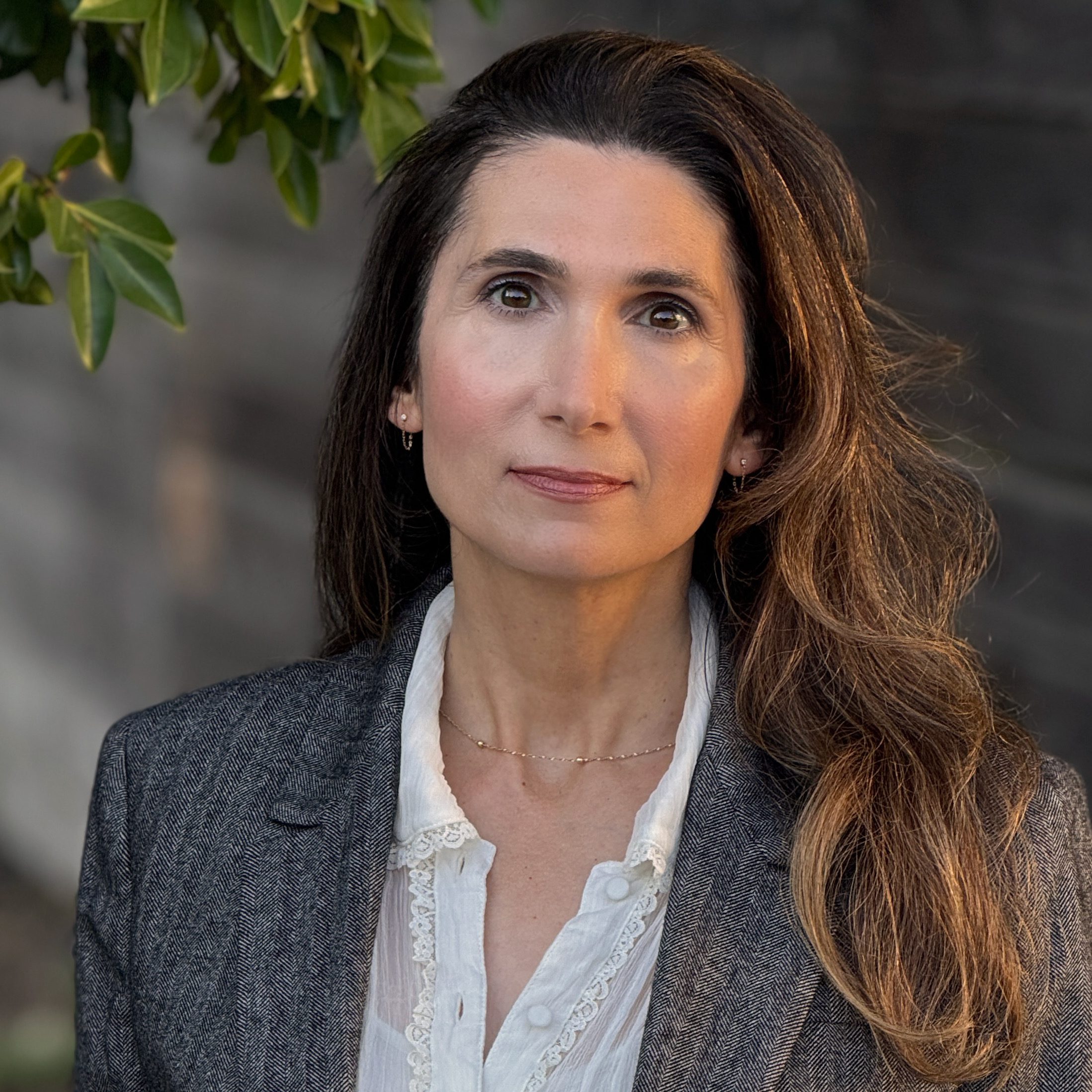
Diana Farid
Clinical Associate Professor, Medicine
Physician, Vaden Health Center
Diana Farid MD, MPH is a physician, filmmaker, an award-winning author, and poet. She is a Clinical Associate Professor in the Department of Medicine and Faculty in the Medical Humanities and Arts Program at Stanford's School of Medicine. After earning a BA in Peace and Conflict Studies at UC Berkeley, MD at Northwestern University, and Family Medicine specialty training at UCLA, she was awarded a U.S. Department of Health and Human Services Child and Family Health Leadership Fellowship, during which she earned a Masters in Public Health and studied storytelling for health.
Since then, Diana has continued to care for patients while creating and championing the vital role of story and the arts in medicine and health. After serving as a physician consultant for television shows like Grey's Anatomy, she produced the feature length documentary film, American Rhythms, exploring the positive impact of music on elementary school student health. At Stanford, she has integrated medicine and the mediums of film, creative writing, and poetry into student and community experiences while leading and presenting arts programs across Stanford. As Assistant Director of Stanford School of Medicine’s Program in Bioethics and Film, she produced film screenings and panel discussions exploring films with vital bioethical implications. She established the first Stanford Film and Medicine Interest group for medical students to study film as a health promotion tool and has mentored medical student film projects. She produced the Stanford Medicine and the Muse, Medical Humanities and the Arts' 2018 Frankenstein@200 year-long cross-campus film screening and panel series.
Her poetry has been featured in gallery exhibits, storytelling events, anthologies, and journals. Her multi-award-winning picture book, When You Breathe (Abrams), melds respiratory science with poetry. Her novel written in verse, Wave (Abrams), celebrating medicine and poetry and noted as “Raw and powerful…Rich, layered and heart-rending” — Kirkus, has won numerous awards including the Cybils Award for Novel in Verse, was named a Best Middle Grade Book of 2022 by the School Library Journal, and is on state education board reading lists across the United States. Her latest picture book, The Light of Home (Scholastic) is a lyrical story about painting and belonging. Her debut board book Already All the Love (Little Bee Books) is a poem for presence. She is an Editorial Board Member for poetry for the medical humanities journal, The Pharos. This fall, she is curating a first-of-its-kind Women in Medicine participatory poem for the Stanford School of Medicine.
Diana is currently advancing arts, medicine, and health integration through courses on children's literature and poetry. This winter, she is co-teaching Little Libraries: Improving Children’s Literacy through Service and Storytelling. She is also developing the course: Poetic Medicine, to explore what reading, examining, and writing poetry reveal about healing, health care, and medical science.
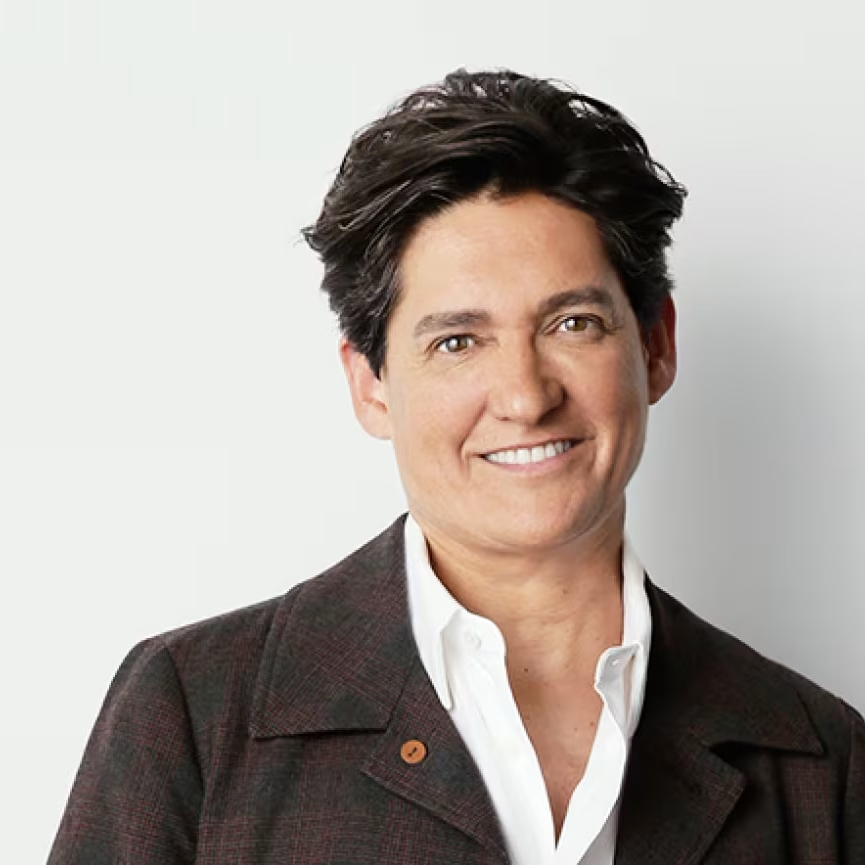
S. Lochlann Jain
Professor, Anthropology
Jain is an award-winning author and Professor of Anthropology at Stanford University and a Senior Research Affiliate at VIAD, University of Johannesburg. Jain is the author of Injury (Princeton UP: 2006); Malignant: How Cancer Becomes Us (UC Press: 2013); and a book of drawings, Things that Art: A Graphic Menagerie of Enchanting Curiosity (U of Toronto Press: 2019). Jain is currently working on two books. The first, develops the concept of The WetNet, which refers to fluid bonding among humans and animals in ways that create pathways for the transmission of pathogens. Specifically, mid-century bioscientific practices such as blood harvesting and transfusion, and vaccine development and testing involved exchanges in human and animal effluvia, the risks of which have largely been disavowed. The second project, “The Lung is a Bird and a Fish,” is a cultural history of drowning in prose and drawing.
With assignments that include hands-on activities in the PRL, theatrical exercises, readings and discussions, Lochlann has been integrating creative arts into anthropology courses to help students explore how material culture can be refigured and reformatted to engage social questions. He’s looking forward to connecting with other fellows to brainstorm methods and build community.
A. Desiree LaBeaud, MD, MS
Professor, Pediatrics (Infectious Diseases)
Senior Fellow, Woods Institute
Associate Dean, Stanford Center for Innovation in Global Health
Professor (by courtesy), Epidemiology and Population Health, Environmental Sciences
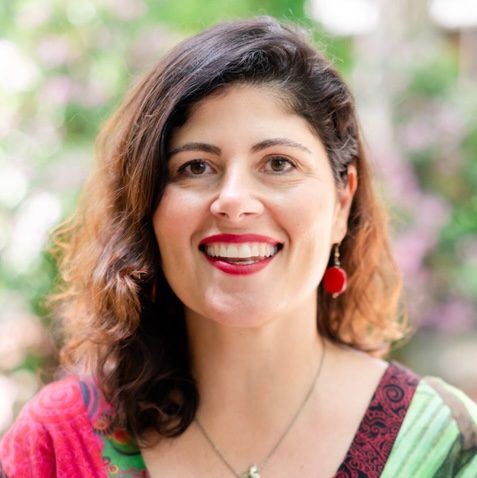
Dr. Desiree LaBeaud is a physician-scientist, epidemiologist, and professor in the Division of Pediatric Infectious Diseases at Stanford University’s School of Medicine. She received her MD from the Medical College of Wisconsin and trained at the Rainbow Babies & Children’s Hospital during her pediatric residency and pediatric infectious disease fellowship program. She earned her master’s degree in Clinical Research and Epidemiology at Case Western Reserve University. Dr. LaBeaud studies the epidemiology and ecology of domestic and international arboviruses and emerging infections, with an interest in the vector, host, and environmental factors that affect transmission dynamics and spectrum of disease. Her research is community-engaged and seeks to define and then disrupt the underlying socio-structural determinants of health. She studies the human health impacts of climate change including research focused on innovative solutions to the global plastic pollution crisis. She currently heads a clinical research lab focused on better understanding the risk factors and long-term health consequences of arboviral infections and the most effective means of prevention. She has also recently launched a nonprofit, the Health and Environmental Research Institute- Kenya which is an initiative focused on Kenya to inspire community education, new research, policy change and grass roots activism in environmental health issues. She is deeply devoted to equitable partnership and recently co-edited an open access book on transformative partnership. Dr. LaBeaud is Senior Fellow at the Stanford Woods Institute for the Environment and served as admissions chair of the Emmett Interdisciplinary Program in Environment & Resources. She is currently on the leadership team of the Stanford Human and Planetary Health Center and serves as the Associate Dean of Global Health at the Stanford Center for Innovation in Global Health. She is Fellow of the American Society of Tropical Medicine (ASTMH) and the ASTMH Green Task Force chair.
As part of a new course, Desiree wants to explore how integrative arts practices can help students discover the felt sense of the complexities of global partnership work to imagine and practice more equitable, creative futures. She hopes to create a wayfinding workbook and workshop ideas for arts-based assignments that integrate practices like participatory theater.
Char McCurdy
Lecturer, Hasso Plattner Institute of Design
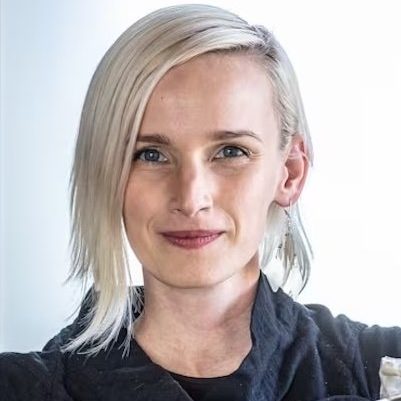
Charlotte McCurdy researches and teaches design at the intersection of climate change, futures, and materials at the Stanford University d.school. Her work has been exhibited around the world including at The Metropolitan Museum of Art, the London Design Museum, and the Cooper Hewitt Triennial. Previously she served as Assistant Professor and Senior Global Futures Scientist at Arizona State University and as Assistant Professor of Industrial Design at the Rhode Island School of Design. Her work has been featured in The New York Times, The Guardian, CNN, Dezeen, Wallpaper, and Vogue. She was a member of NEW INC cohort 5 and holds a degree in Global Affairs from Yale University and in Industrial Design from the Rhode Island School of Design.
Char is developing a new IntroSem design course in service of climate solutions, in which students will engage in hands-on creative research methods—from speculative design to data visualization to material experimentation—while investigating how design can address planetary-scale challenges. Char is looking forward to discussions on balancing theoretical grounding with creative freedom, structuring meaningful peer collaboration, and developing assessment approaches that honor both artistic process and design rigor.
Matthew Morrison
Associate Professor, African and African American Studies
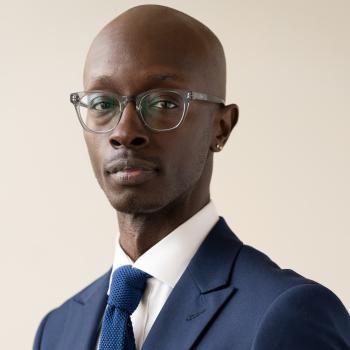
Matthew D. Morrison holds a Ph.D. in Musicology from Columbia University, an. M.A. in Musicology from The Catholic University of America, and was a Presidential music scholar at Morehouse College. His research focuses on the relationship between identity, performance, property, copyright law, and inequities within the history and performance of music, with a focus on the history of American popular music and its global impact and circulation. His published work has appeared in publications such as the Journal of the American Musicological Society, Women and Performance, American Music, and the Oxford University Press's online music blog, among others. Professor Morrison has been awarded several fellowships from institutions such as the American Council of Learned Societies, Harvard University, the American Musicological Society, Mellon Foundation, the Library of Congress, the Tanglewood Music Center, and the Center for Popular Music Studies/Rock and Roll Hall of Fame. His research has been highlighted in media outlets such as The New Yorker, as well as featured in NPR’s Throughline. Morrison serves as a consultant, advisor, and collaborator with organizations in and beyond the arts, such as The Schubert Club, “The Sound Track of America” opening concert series at the SHED, NYC, The Glimmerglass Festival Opera, as well as Theory, Warner Music Group, and SONY music.
Professor Morrison's book, Blacksound: Making Race in Popular Music in the United States, is published by The University of California Press (2024), and it has been awarded the Prose award for excellence in the Humanities by the Association of American Publishers. In addition to his work as a musicologist and within Black Studies, Professor Morrison is an interdisciplinary scholar whose work engages with Sound Studies, Performance Studies, Race and Intellectual Property Studies, and Queer Studies.
Matthew is especially interested in developing courses that place the arts in conversation with the critical study of AI and law, both of which are part of his larger research methods and aims. As a fellow, he’s looking forward to discussions on how to carefully and thoroughly combine seemingly disparate areas of study in the classroom and beyond.
Kyoko Sato
Associate Director, Science, Technology and Society
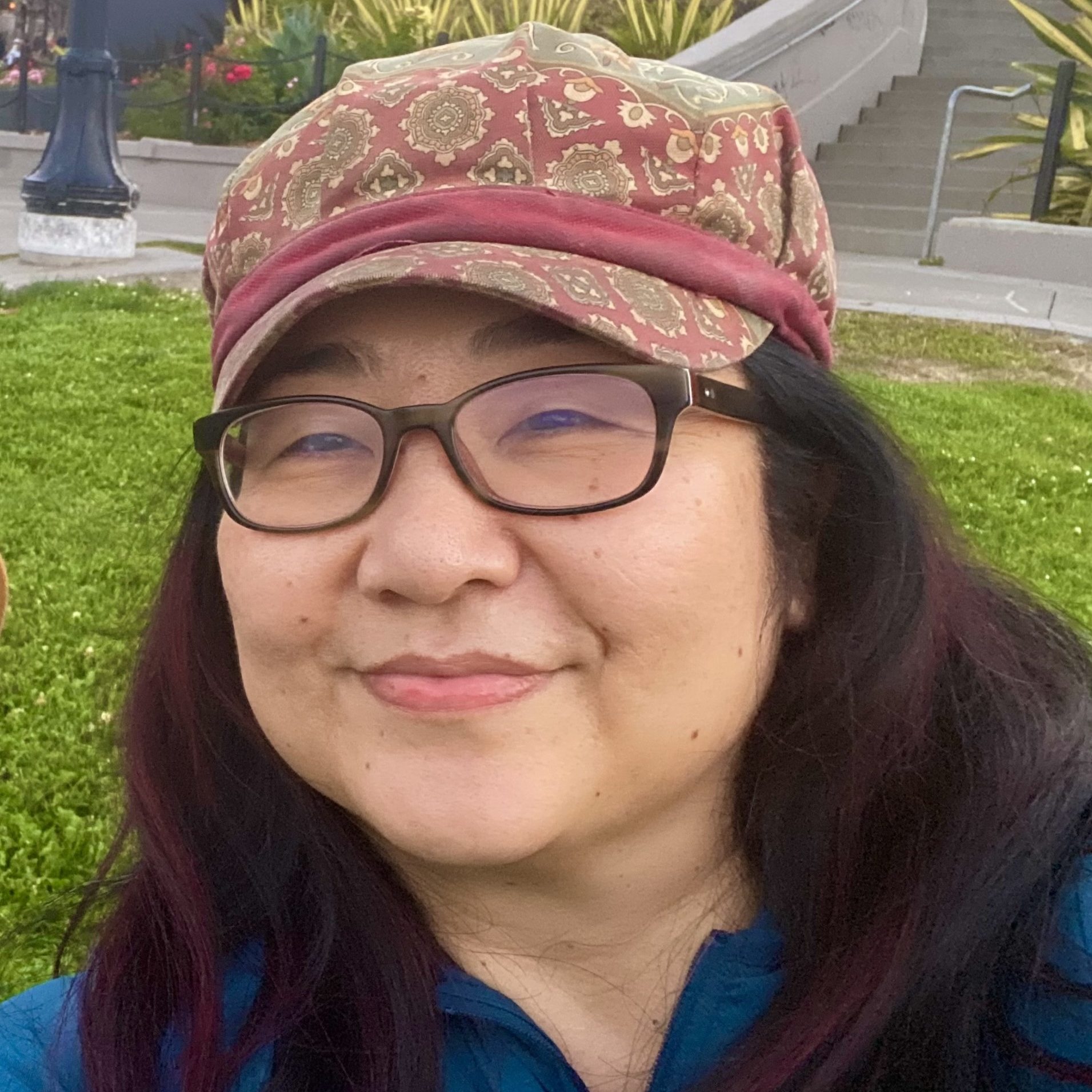
Kyoko Sato is Associate Director of the Program in Science, Technology, and Society at Stanford University. Her research examines technoscientific governance in Japan and the United States. She has conducted fieldwork in various areas affected by nuclear technology (e.g., Fukushima, Hiroshima, Nagasaki; communities surrounding TMI, Hanford site, and other nuclear facilities; Church Rock) to explore the dynamics and relationships among global and national nuclear governance, expertise, and democratic citizenship. She also studies the politics of expertise and citizenship in the Covid-19 governance in Japan and the United States. Her previous work investigated interdisciplinary knowledge production in North America and the politics of genetically modified food in France, Japan, and the United States. She is the co-editor of a 2022 collective volume (with Soraya Boudia and Bernadette Bensaude Vincent), Living in a Nuclear World: From Fukushima to Hiroshima, an interdisciplinary post-Fukushima reflection on the development of the global nuclear order. She has published in journals such as Science, Technology and Human Values; East Asian Science, Technology and Society; Theory and Society; and 科学技術社会論研究 (Journal of Science and Technology Studies; in Japanese) and book chapters on the Fukushima disaster both in English and in Japanese. She worked as a journalist in Tokyo before pursuing her PhD in sociology from Princeton University. Kyoko is a board member of the Clarion Alley Mural Project, a public art non-profit in San Francisco.
Kyoko teaches courses that incorporate artistic and cultural representation as a site for politics, resistance, and reimagination. One objective for the fellowship workshops is to refine a Zine-making assignment she developed for a course on bodies and technoscience. She is also interested in how thinking of arts might problematize the way her field (science and technology studies) has long theorized the relationships between the social and the technical.
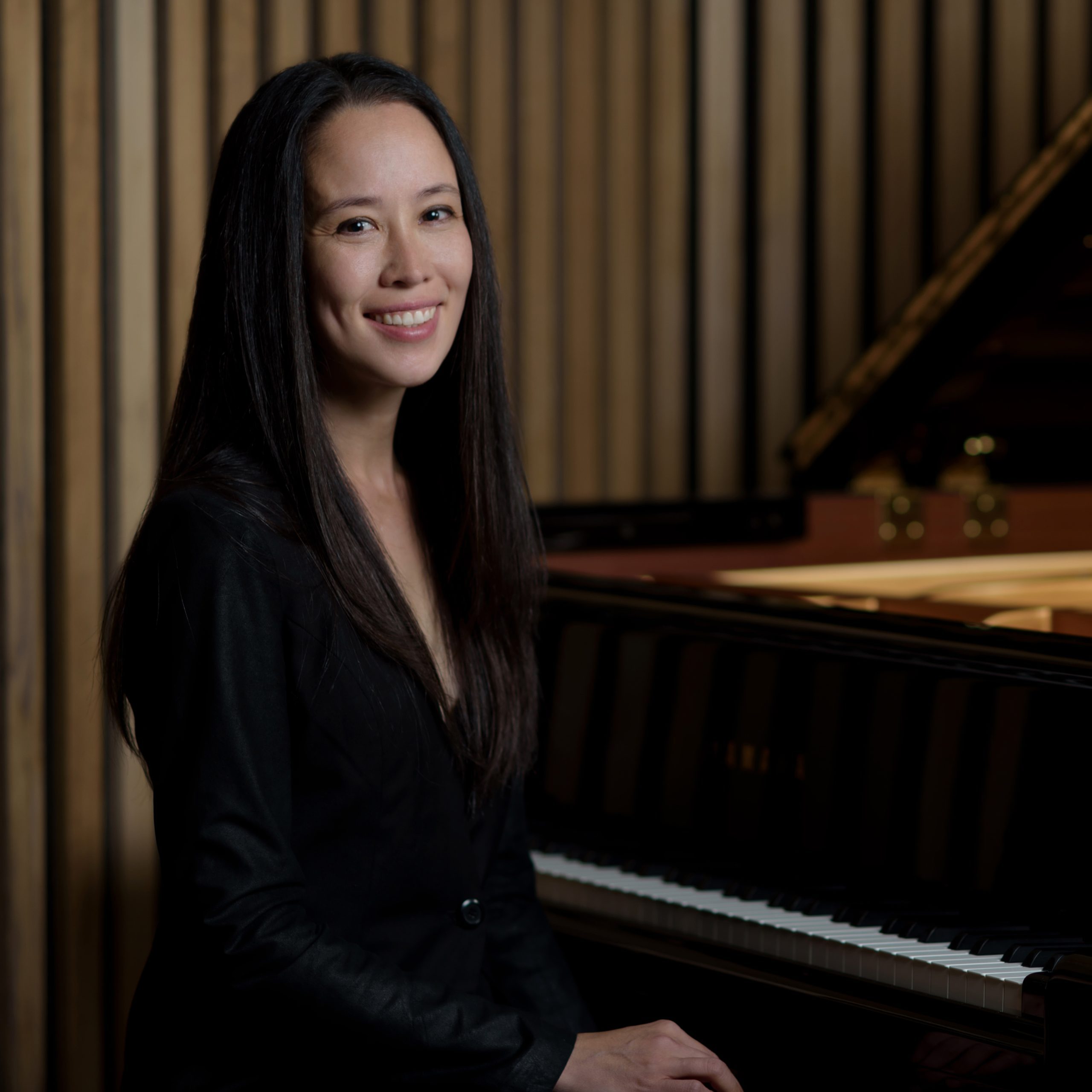
Elizabeth Schumann
Billie Bennet Achilles Director of Keyboard Studies
Assistant Professor, Music
Dr. Elizabeth Schumann has a diverse career portfolio of projects, recordings, and performances which have brought her all over the world as recitalist, chamber musician, and concerto soloist. The Washington Post noted her playing as “deft, relentless, and devastatingly good—the sort of performance you experience not so much with your ears as your solar plexus.” The first place winner of both the Bösendorfer International Piano Competition and the Pacific International Piano Competition, Elizabeth has won over 25 prizes and awards in other major national and international competitions. She has performed in such venues as the Kennedy Center, Vienna’s Bösendorfer Saal, Toronto’s Koerner Hall, and Montreal’s Place des Arts. She was featured at the Cannes Film Festival, the Gilmore Festival, Australia’s Huntington Festival, the Ravinia “Rising Stars” Series, and National Public Radio's “Performance Today”, and her recitals have been broadcast live on public radio and television in cities around the world, including Washington D.C., New York, Sydney, Cleveland, Montréal, Dallas, and Chicago. Elizabeth also gave the world premiere performance of Carl Vine's Sonata No. 3, which the composer dedicated to her.
As a dedicated chamber musician and proponent of community engagement, Elizabeth is a core member of the Ives Collective, Chameleon Arts Ensemble, and Ensemble San Francisco, a piano quartet dedicated to inspiring a more inclusive world. Elizabeth also conceived and created Son et Lumiére: an ongoing performance series that transforms outdoor urban spaces with live music accompanied by large scale video projections to reach beyond the concert hall and bring music into accessible public spaces. The goal of the series is to allow audiences to meet music on their own terms and experience its power without barriers of price or pretense. Elizabeth and her sister, Sonya Schumann, formed the Schumann Duo to engage diverse audiences with innovative combinations of piano music, theater, literature, art, and technology.
Elizabeth has been working on a range of courses at the intersection of music, psychology, design and health. A new course she’s developing invites students to conduct self-designed experiments exploring memory, attention, motor learning, and anxiety to refine their own performance strategies.
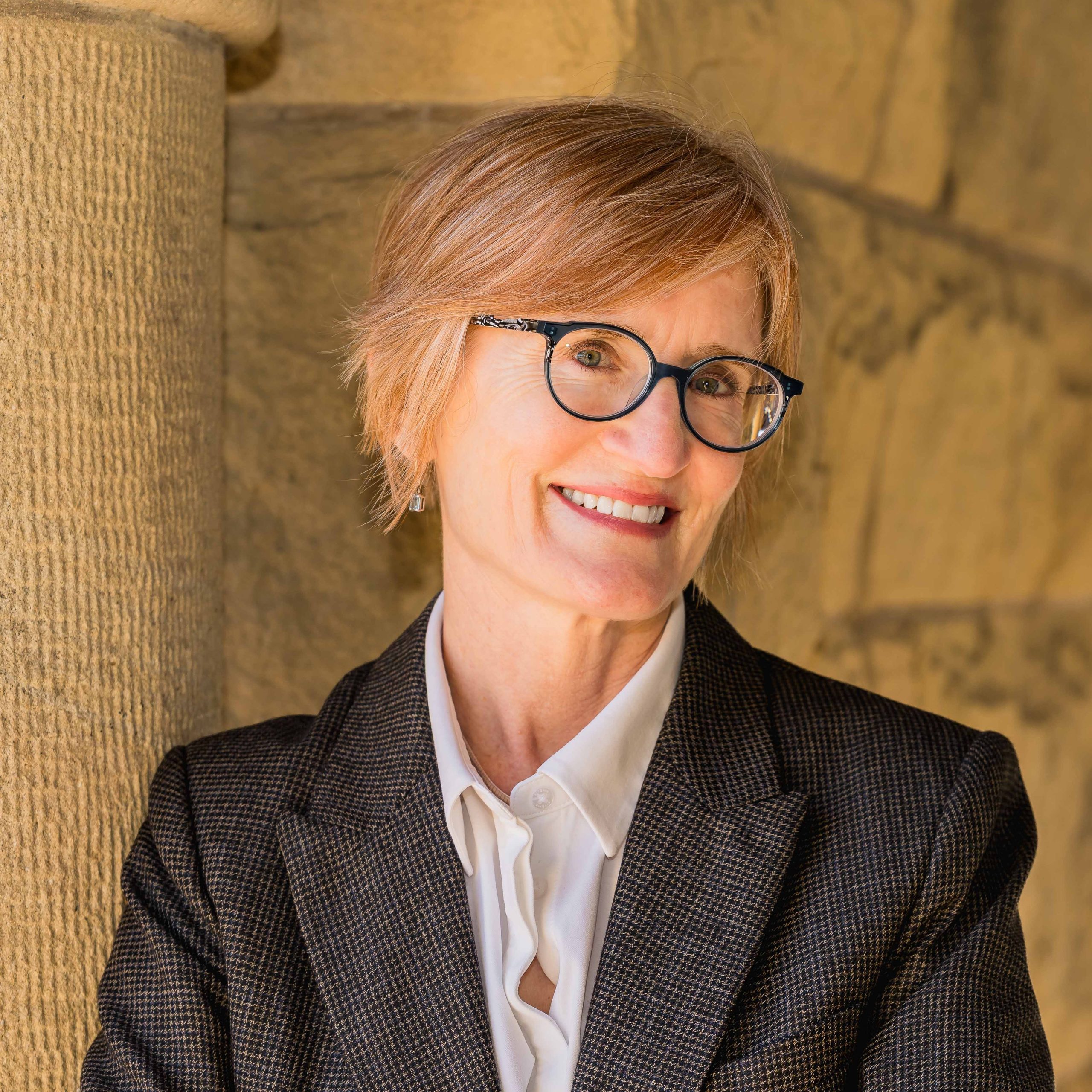
Kathryn Starkey
Edward Clark Crossett Professor of Humanistic Studies
Professor, German Studies
Professor (by courtesy), Comparative Literature, English, History
Chair, Division of Literatures, Cultures, and Languages
Professor Kathryn Starkey’s work focuses primarily on medieval German literature from the eleventh to the thirteenth century, and her research topics encompass visuality and materiality, object/thing studies, manuscript illustration and transmission, language, performativity, and poetics. She has held visiting appointments at the Universities of Palermo (2011) and Freiburg im Breisgau (2013 and 2018). Recent book publications include: Things and Thingness in European Literature and Visual Art, 800-1600, edited with Jutta Eming (Berlin/New York, 2021), Animals in Text and Textile. Storytelling in the Medieval World, edited with Evelin Wetter (Riggisberg, Switzerland, 2019), and A Courtier’s Mirror: Cultivating Elite Identity in Thomasin von Zerclaere’s “Welscher Gast” (Notre Dame, 2013), among others. Professor Starkey is the PI for the Global Medieval Sourcebook for which she received a NEH Digital Humanities Advancement Grant (2018) as well as awards from the Roberta Bowman Denning Fund for Humanities and Technologies at Stanford (2016, 2017, 2018). She has also been the recipient of fellowships from the National Humanities Center, the Stanford Humanities Center, the Alexander von Humboldt Foundation, the UNC Institute for the Arts and the Humanities, and the Social Sciences and Humanities Research Council of Canada (SSHRCC).
Kathryn is developing a new course that will invite students to explore the Middle Ages through the objects it left behind—illuminated manuscripts, reliquaries, jewelry, textiles, weapons, domestic tools, and more. The course is designed around a creative component: students will design and produce their own "authentic seeming" objects inspired by medieval materials and practices. These hands-on exercises will help deepen understanding of how medieval things were experienced.
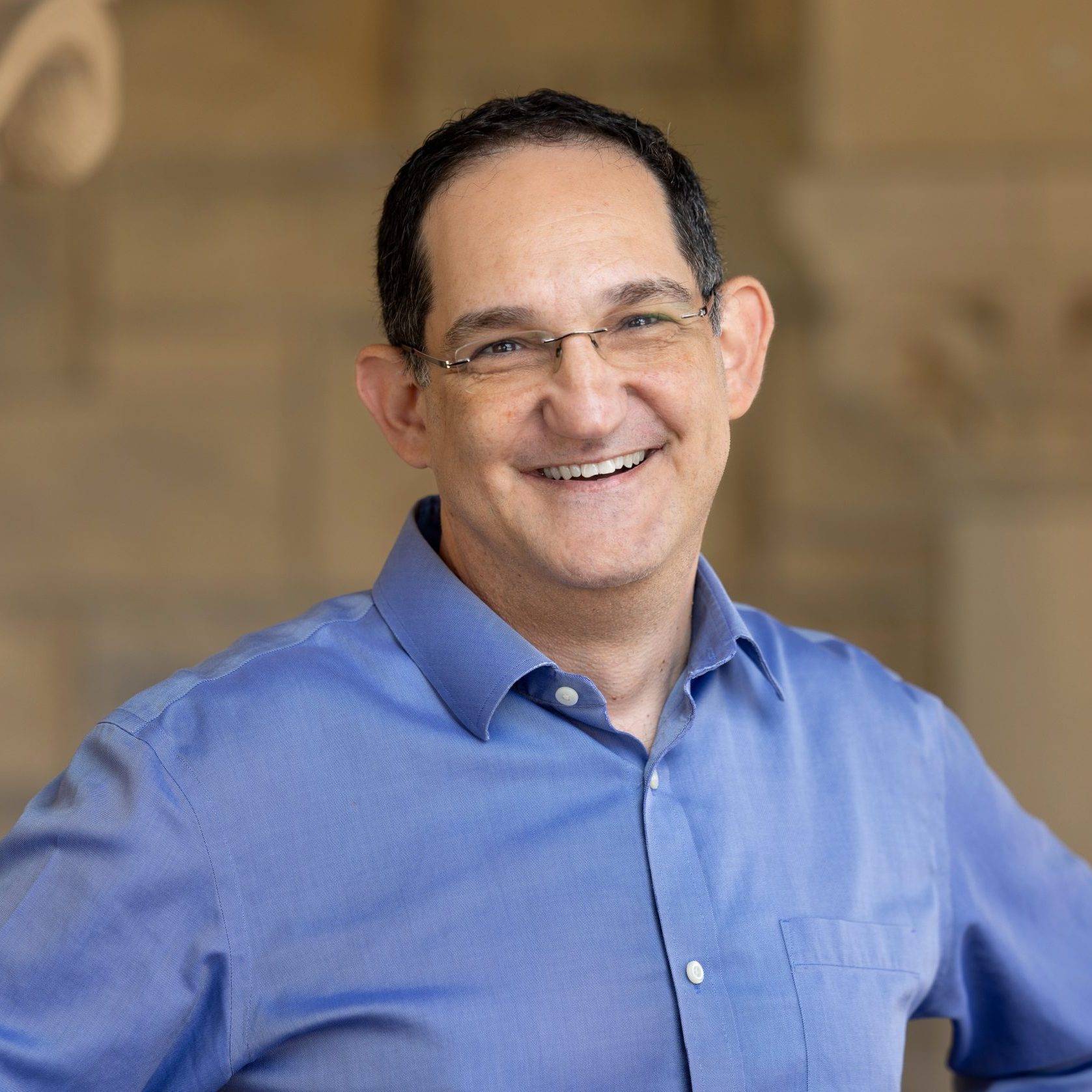
Adam Tobin
Senior Lecturer, Film and Media Studies
Adam Tobin is a screenwriter teaching courses in short and feature film writing, TV pilots, script analysis, fiction film production, and adaptation. He created the half-hour comedy series About a Girl and the reality series Best Friend's Date for Viacom's The-N network (now TeenNick), won an Emmy Award for Discovery Channel’s Cash Cab, and has written for ABC, ESPN, and the National Basketball Association. He was a story analyst for Jim Henson Pictures and has taught story and pitching seminars at Dreamworks Animation, Twentieth Century Fox/Blue Sky Studios, and Aardman Animations. He also teaches in the Arts Intensive program and offers an Improvisationally Speaking course in Stanford Continuing Studies. His play She Persisted: The Musical, was a New York Times Critic's Pick and winner of the Off-Broadway Alliance award for Best Family Show. His new musical, The Pigeon Gets a Big Time Holiday Extravaganza, co-written with and based on the characters of Mo Willems, bestselling author of Don’t Let the Pigeon Drive the Bus and the Elephant & Piggie books, will open in six cities in November 2025.
Adam is developing courses that integrate his work in teaching screenwriting and TV writing with other disciplines. One potential avenue is a "Screenwriting about [STEM topic]," a writing workshop that invites students to invent creative work based on scientific scholarship.
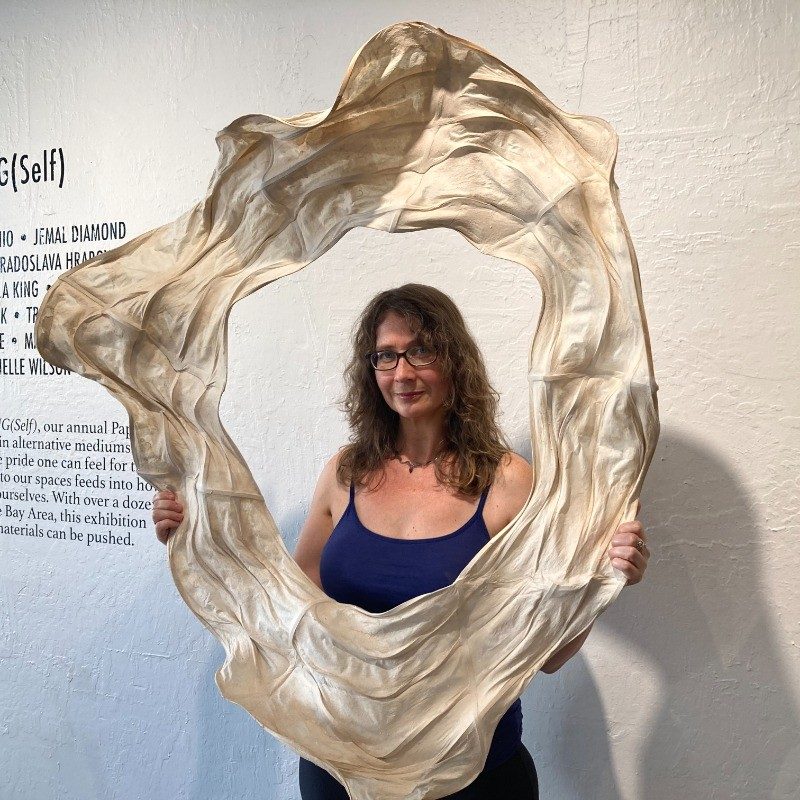
Michelle Wilson
Lecturer, Art Practice
Michelle Wilson is interested in the intersections of ideas: the crossroads of colonialism and natural history, migration, vegetation, and the loss of diversity. In much of her work, the depiction of location and site are manifestations of an interior psychological state, mood, or understanding. In addition, she finds meaning in material and process, often starting directly with fibers or dye as the basis for her work, which takes the form of paper making, printmaking, artist books, installations, textiles, and social practice investigations. Her practice includes frequent collaborations with other artists; in particular her ongoing collaboration with Anne Beck as the Rhinoceros Project.
Artist-in-Residence programs that she is an alumna of include the David and Julia White Colony in Ciudad Colon, Costa Rica, the Jentel Artist Residency Program, (Banner, WY,) the Penland School of Crafts (Asheville, NC) the San José Museum of Quilts and Textiles, InCahoots Artist Residency, (Petaluma, CA), and LAB-8’s Riabitare con l'Arte program in Abruzzo, Italy. As a Community Artist, she served as a Teaching Artist for the NIAD Art Center, (Richmond, CA) and Southern Exposure’s program at the Oakland Juvenile Hall. She is a past hand-papermaking advisor to Signa-Haiti, a non-governmental organization developing a sustainable and bio-dynamic economy in Haiti.
Her artworks are in various collections, including the Metropolitan Museum of Art (New York, NY), Yale University (New Haven, CT), the National Museum of Women in the Arts (Washington, DC), the Library of the Museum of Fine Arts, Boston (Boston, MA), and the Mediatheque Andre Malraux (Strasbourg, France). Grants and awards she has received include 2025 Winter Fellowship from Penland School of Crafts, the 2023 Alison Rood Birmingham Full Grant Award from InCahoots Artist Residency, a 2013 Artist-Investigator Grant from the San Francisco’s Intersection for the Arts, and the 2007 Lenore Edelman Award for Book Arts. As a member of the Rhinoceros Project, she is a recipient of a 2020 Barbara Deming Foundation Grant, and a 2016 Puffin Foundation West Grant. Creative Capital designated her as an "On Our Radar" artist in 2015.
Michelle is developing two interdisciplinary course ideas. The first explores the book as technology, from ancient image communication to e-publishing, with hands-on exercises in printmaking and bookbinding. The second course brings together Art Practice, Environmental Systems Engineering, and Chemistry, inviting students to learn about natural dying and textile eco-printing.
This fellowship is administered by the Stanford Arts Institute (SAI) with support from the Office of the Vice President for the Arts.

Contact:
Stanford Arts Institute
artsinstitute@stanford.edu