Mark Algee-Hewitt
malgeehe@stanford.edu
Shane Denson
shane.denson@stanford.edu
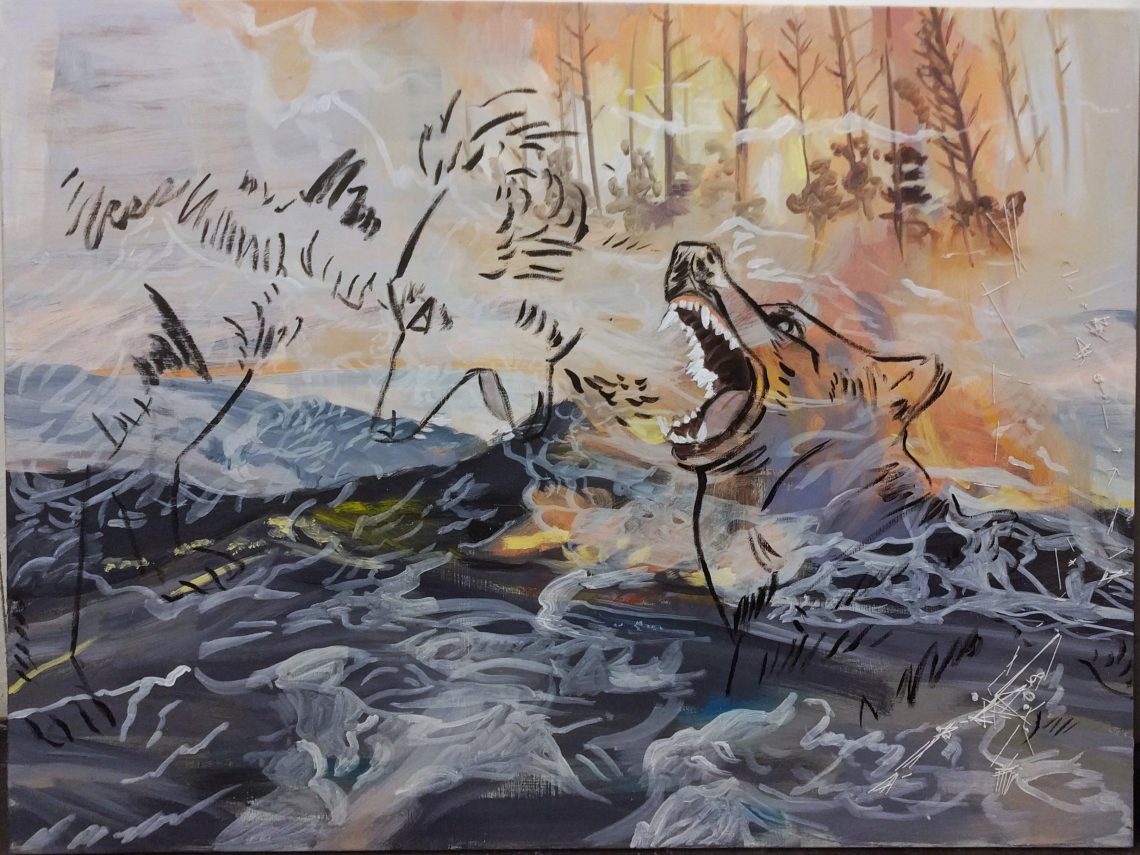
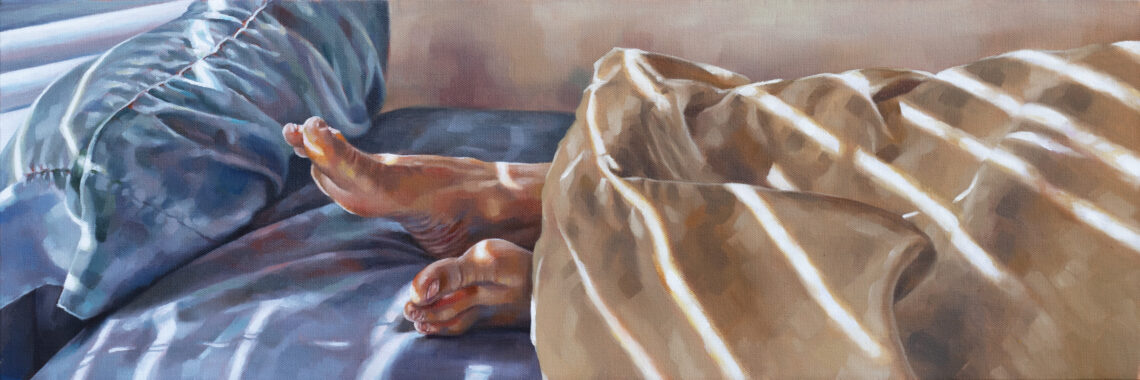
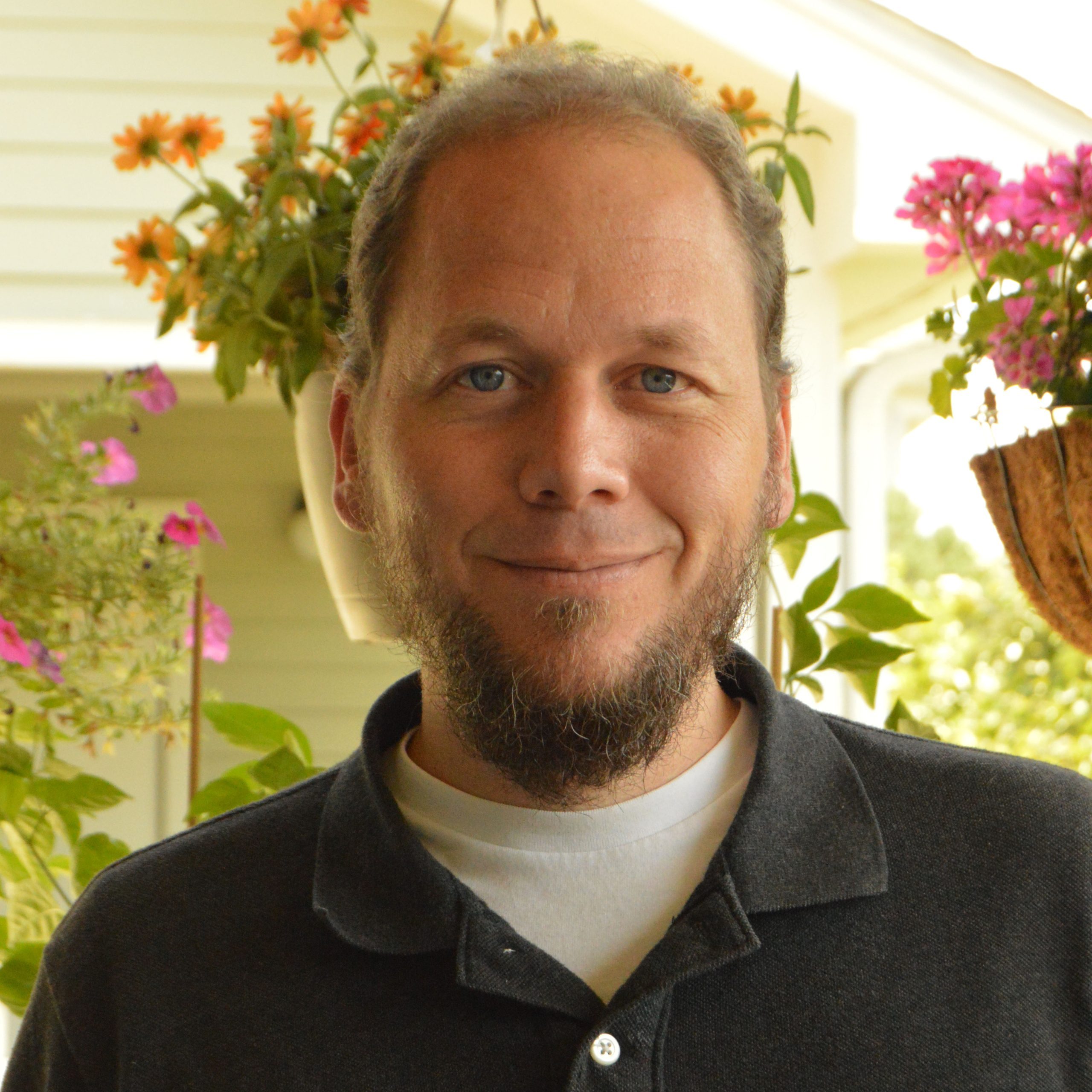
My research interests span a variety of media and historical periods, including phenomenological and media-philosophical approaches to film, digital media, and serialized popular forms. My interest in making comes from a belief that media form the variable conditions of experience, and that any hope of catching a glimpse of those conditions requires tinkering with them. In addition to media theory, I have taught classes on video essays, AI art and aesthetics, and critical making, and I have served as co-director of the Critical Making Collaborative at Stanford. I collaborate with painter Karin Denson on generative media art projects, and together with Brett Amory and Karin Denson I am a member of the non/phenomenal art and curatorial collective.

Marci Kwon
mskwon1@stanford.edu
Hideo Mabuchi
hmabuchi@stanford.edu
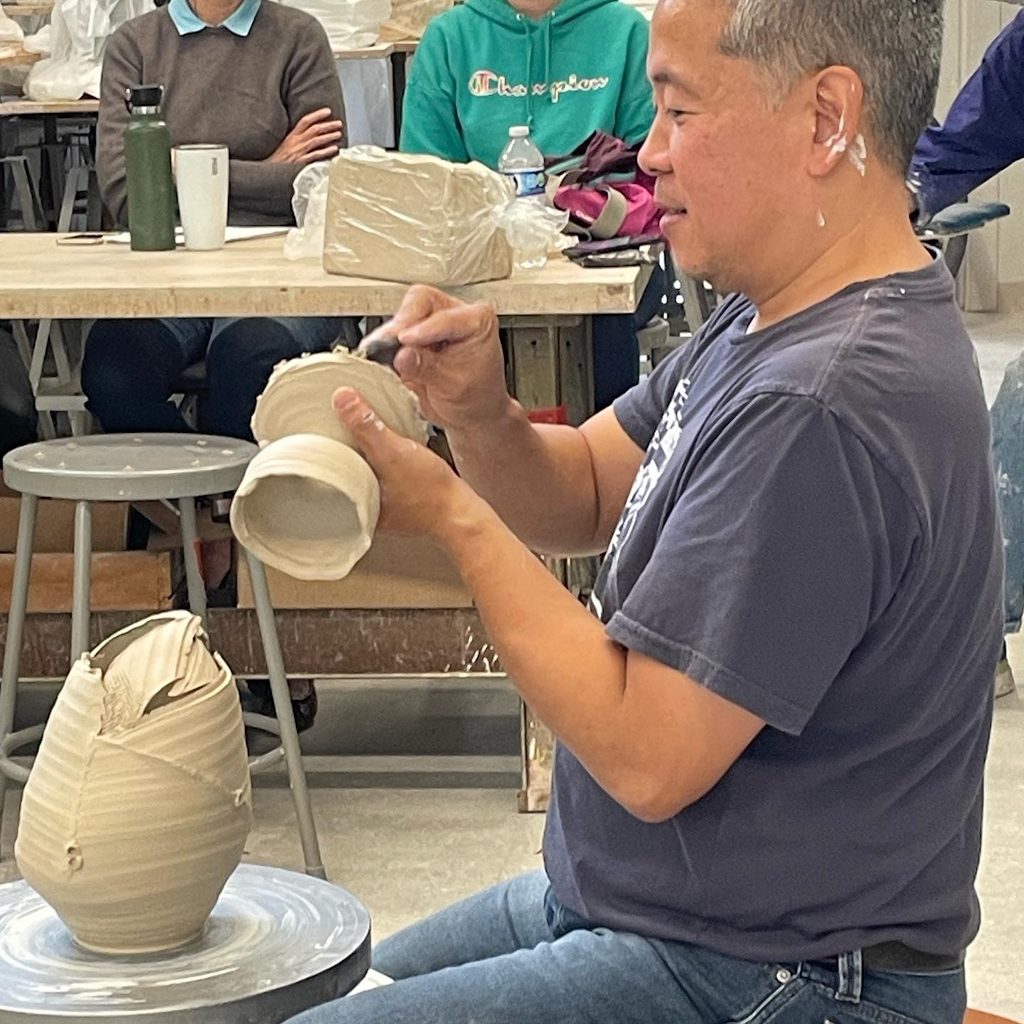
My scholarly interests in making and creative praxis sprout from the intellectually lush perplexity of sense, feeling, curiosity, and intuition. I also wonder what we really mean when we talk about embodied knowledge, and whether neuroscience or poetics is more likely to offer a satisfying answer. As an academic my expertise lies mainly in quantum optics and physics of computing; as a maker I work with ceramics and weaving. Lately I’ve been chewing on the idea that “the orders of materiality and ideality express one and the same world … in two of perhaps numerous ways” (Elizabeth Grosz channeling Spinoza). What does this imply about digital/virtual worlds, and our advancing detachment from Earth as the primal ground of human understanding? What does it imply about discourse and art?
Lea Pao
lpao@stanford.edu
I am interested in many forms of making and creative praxis. One comes from German philosopher of science Peter Janich, who has explored the historical and philosophical relationship between “Handwerk” and “Mundwerk” (“handwork” and “mouthwork”) that is, the relationship between praxis and theory or, even more concretely, between crafting objects and building concepts. Another comes from thinking about how poetry makes things happen—on the page and in the human mind and body. I love teaching poetry and have a long-standing dream of creating a poetry makerspace. And yet another involves my work as a translator, which I have always enjoyed for both its activation of creative possibilities and its demanding practical “handwork.”

Michael Rau
mjrau@stanford.edu
Ariel Stilerman
stilerman@stanford.edu
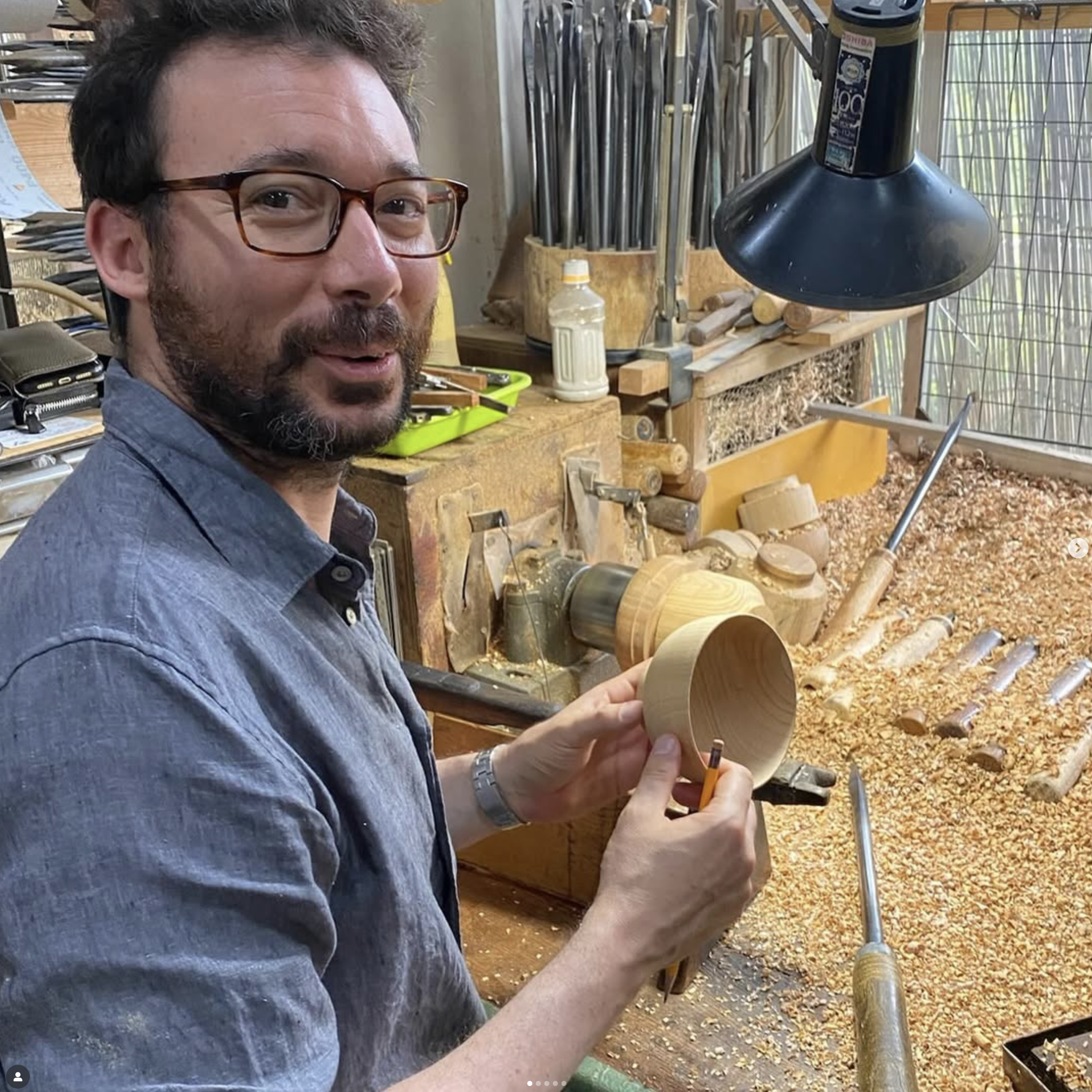
My research explores how courtly literary and artistic practices became broader cultural forces. My first book, Court Poetry and the Culture of Learning in Japan (2025), examined the social lives of Japanese poems. My current project, Meet the People Who Built Japan, investigates technology, community, and affect in the lives of medieval crafts- and working people. I trained in Japanese literature, psychoanalysis, industrial design, and the tea ceremony. My present praxis centers on premodern technology and fabrication—particularly architectural woodworking, woodturning, sustainable silviculture, and crafting communities.