Speaker Bios & Abstracts
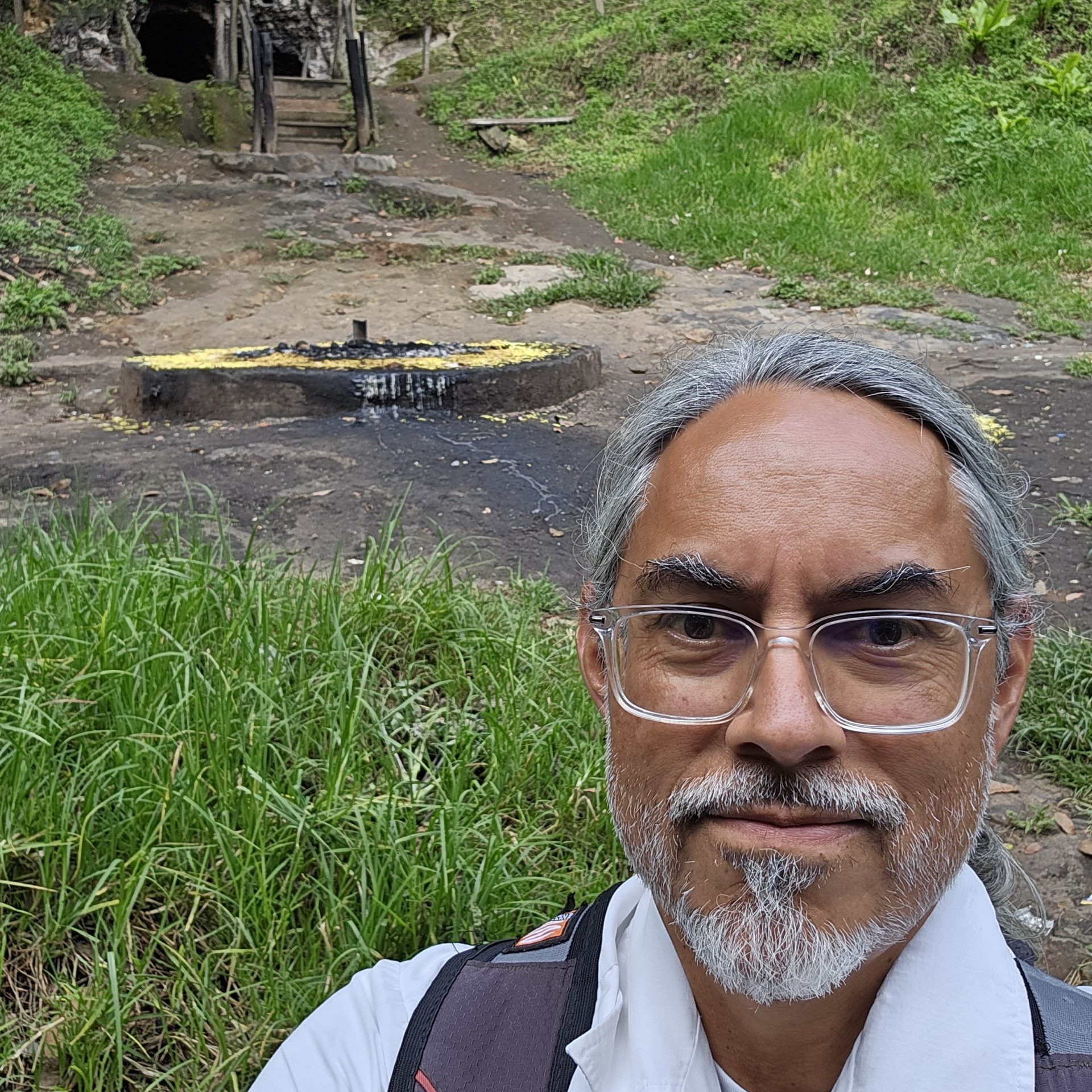
Gerardo Aldana
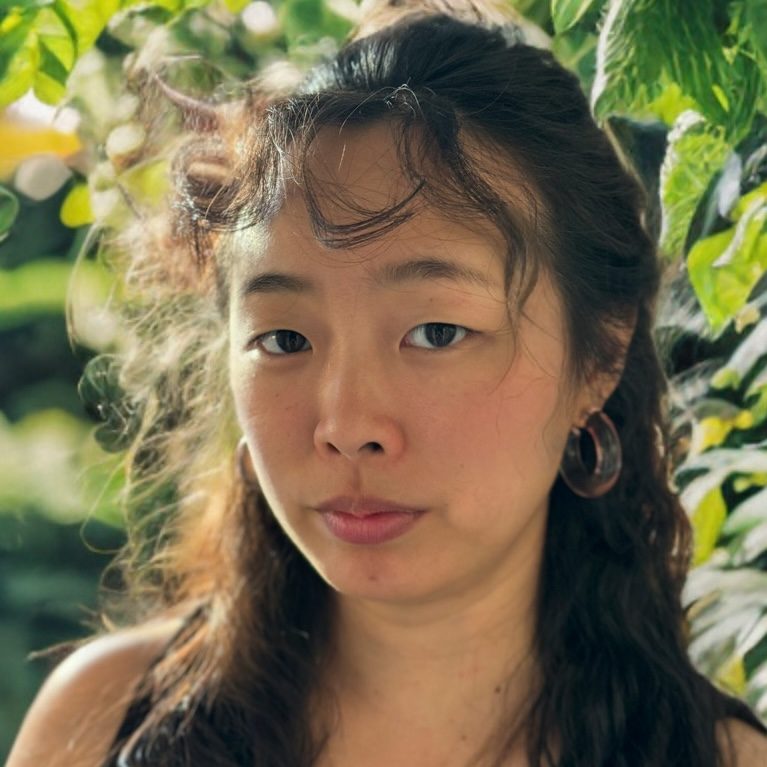
Photo by Xuan Li
Lan Li
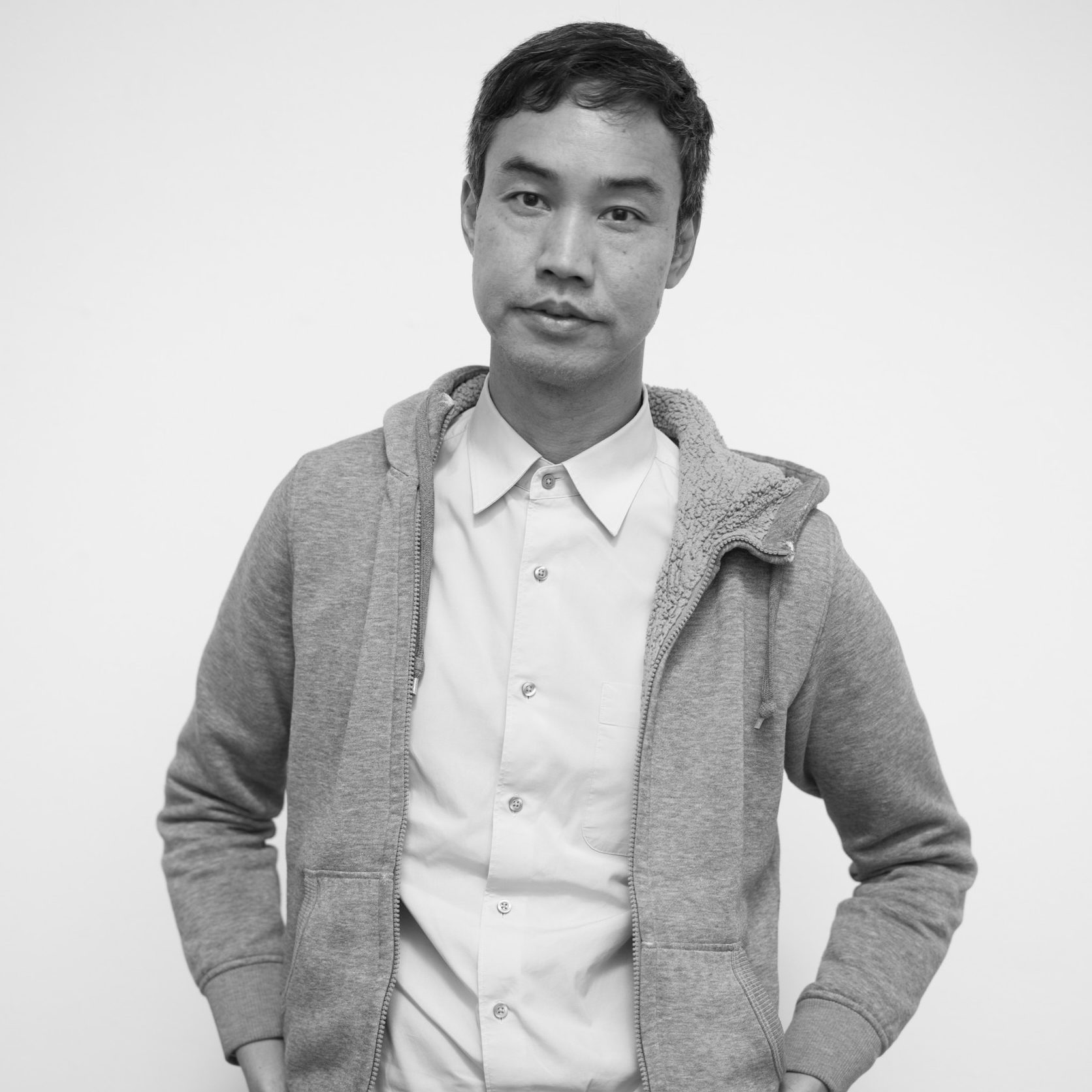
Miljohn Ruperto
Contact:
Stanford Arts Institute
artsinstitute@stanford.edu

Photo by Xuan Li
Stanford Arts Institute
artsinstitute@stanford.edu
This is a collage I made featuring my favorite colors. There are bits of paper popping off of the page!
2021
Digital Photograph of Paper Collage
By D Fukunaga-Brates '25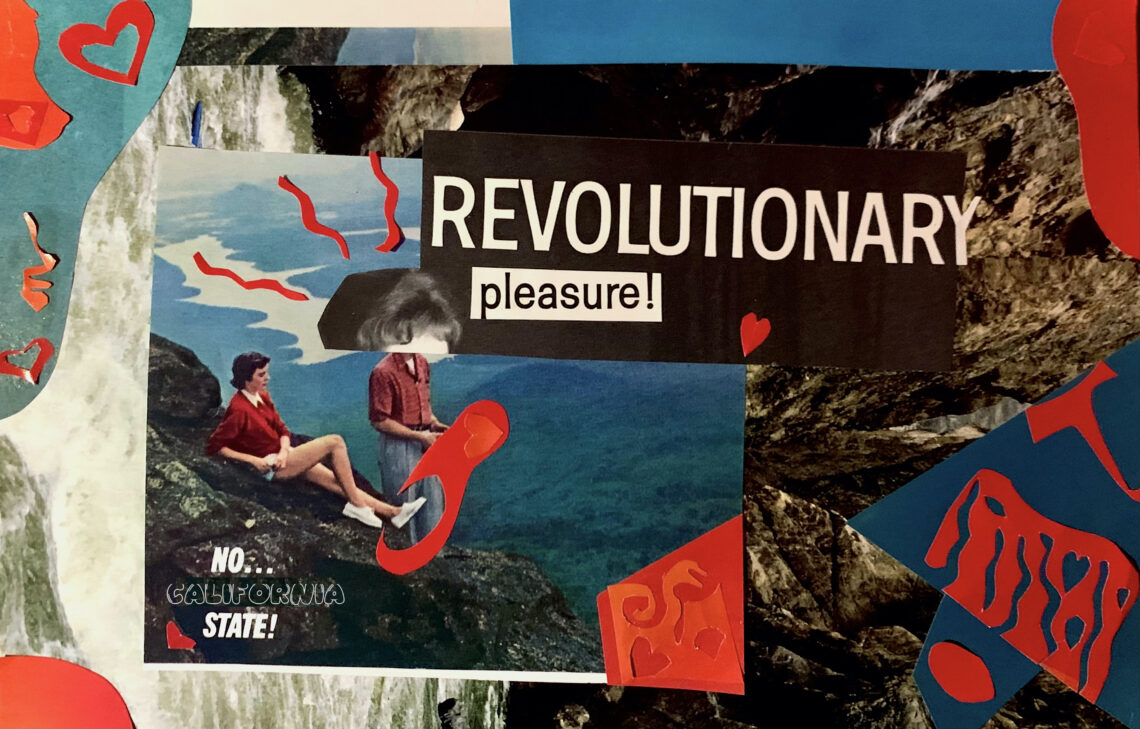
2021 — a year of uncertainties, breakthroughs, and hope. The nurse at a vaccination site epitomizes this spirit of perseverance and hope.
2021
Acrylic Paint on Canvas
By Sarah Dong '26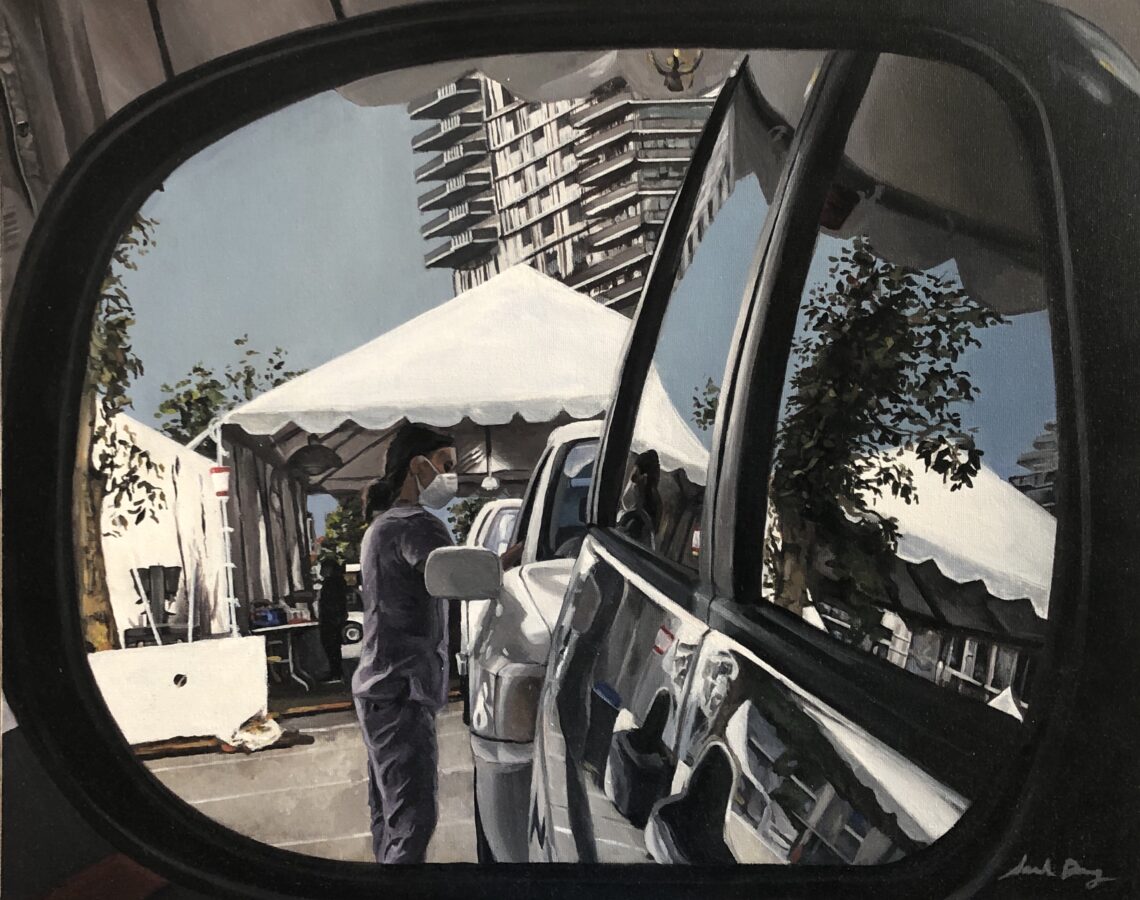
A portrait of a good dog who has traveled a very long way.
2020
Acrylic Paint on Canvas
By Anneke Claypool '21
Growing up in Iran taught me that limitation breed creativity. I tried to embody the same lesson by using alternative printing methods in the darkroom
2016
Black & white photography
By Soraya Fereydooni '20
This is a “still life” of the fish market at my local Chinese grocery store. It is a wet, slimy, strange, intimidating, and magnificent place.
2023
Acrylic on Canvas
By Sharon Zhang '27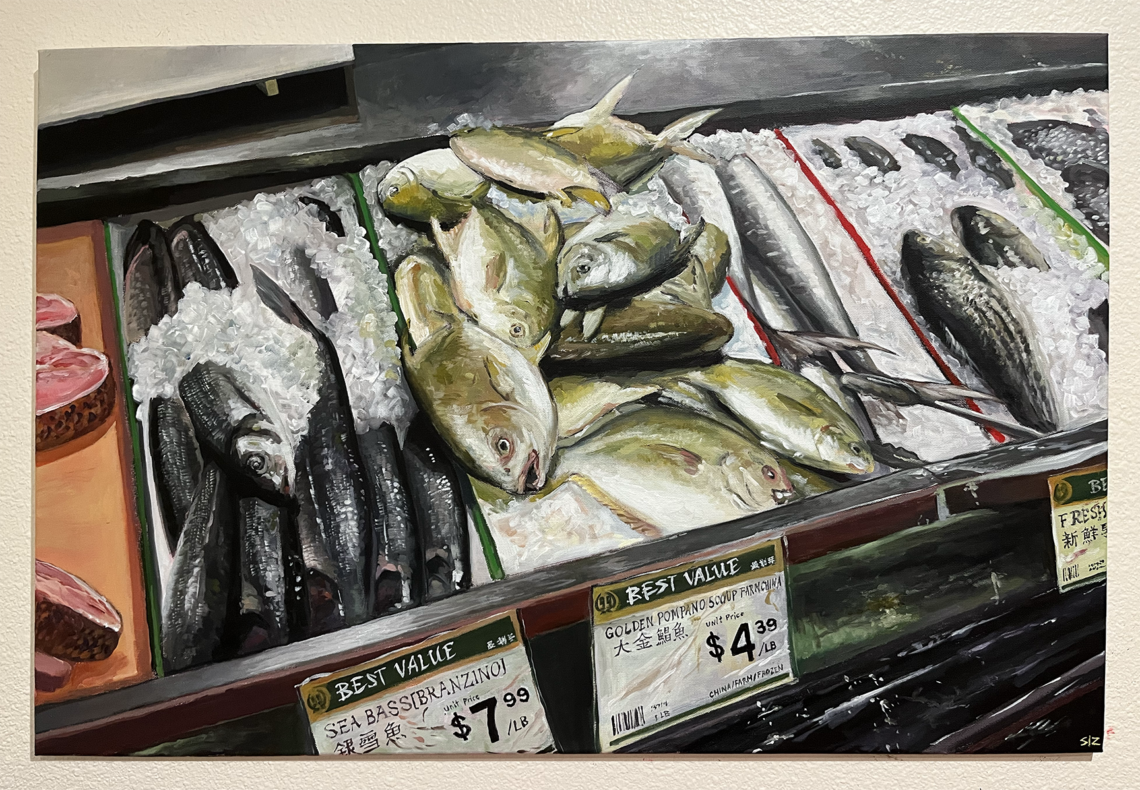
A collage with the background of a digital re-illustration of Hokusai’s The Great Wave Off Kanagawa to portray our poor disregard and care of Earth.
2019
Digital illustration and collage
By Elaine Park '21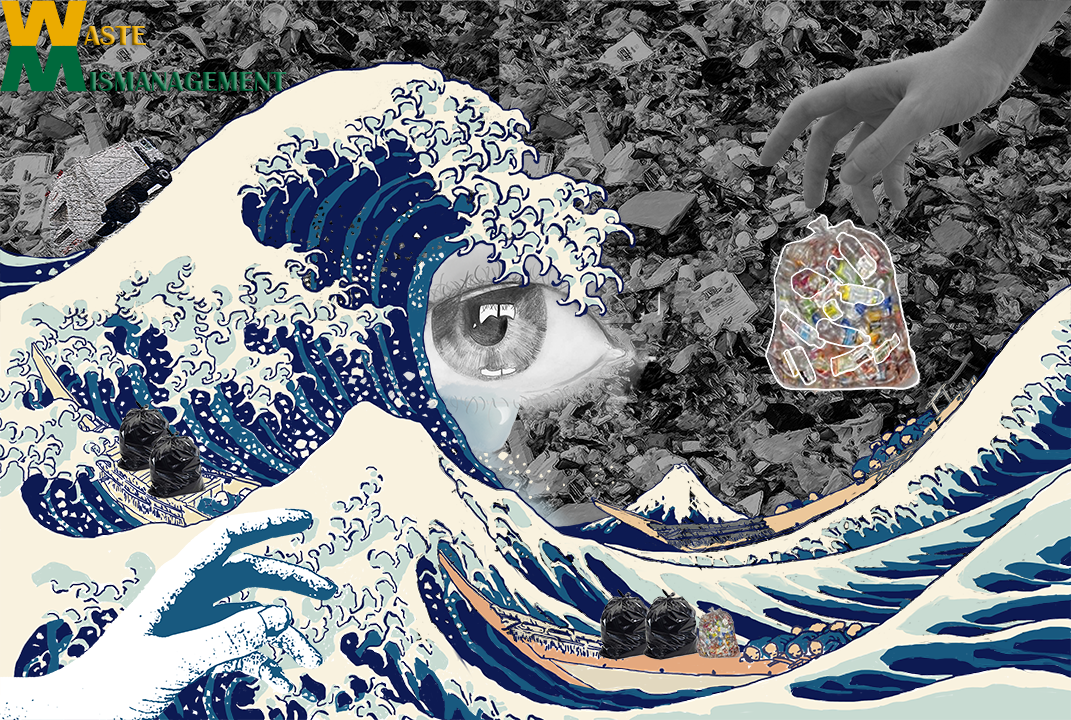
The Andromeda constellation re-imagined, through drawing, through burning holes in paper; how do we impose humanity upon the stars?
2016
Charcoal on paper; flame on tracing paper
By Zhanpei Fang '19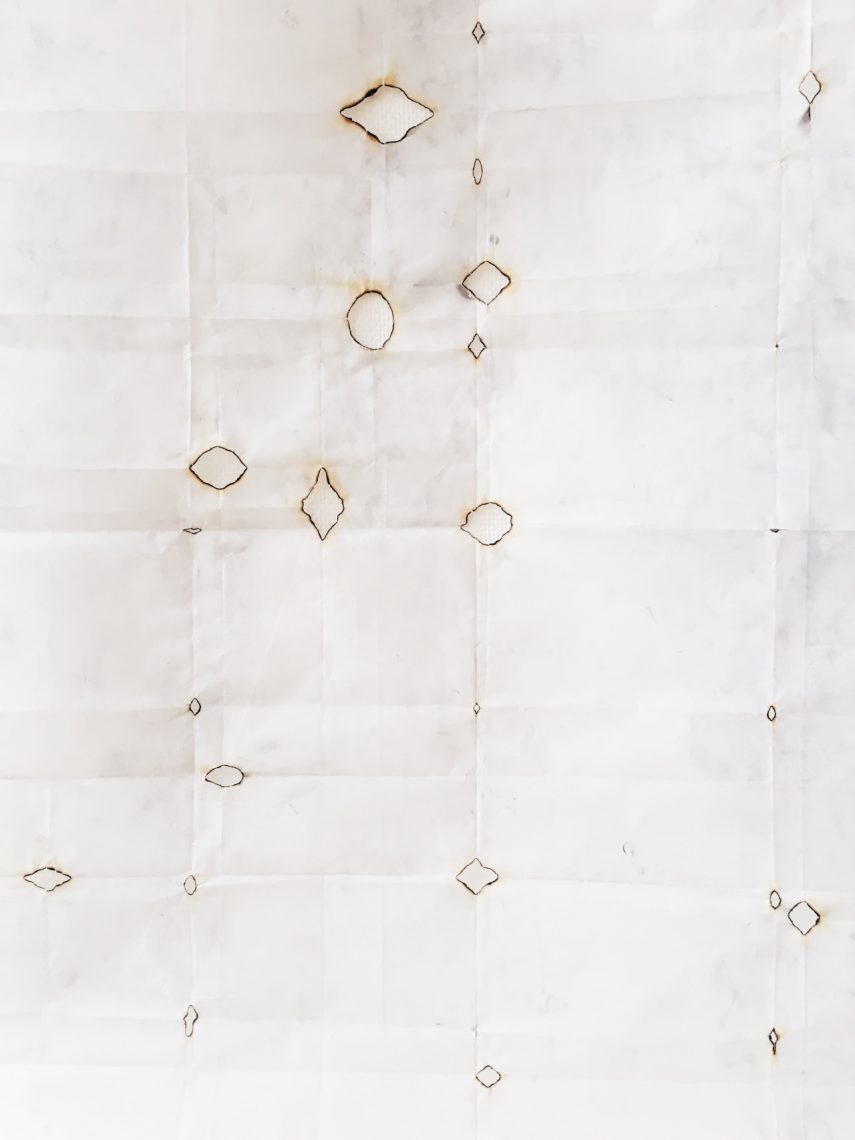
I spent 26 days backpacking through Death Valley. When water is scarce, life harder yet more simple, what matters most becomes evident.
2020
song / soundscape
By Elias Feierabend-Peters '20
India to America. When the kids go to school everyday, they can see our own school, and not feel so far, despite being halfway around the world.
2017
Enamel Paint
By Tyler Su '20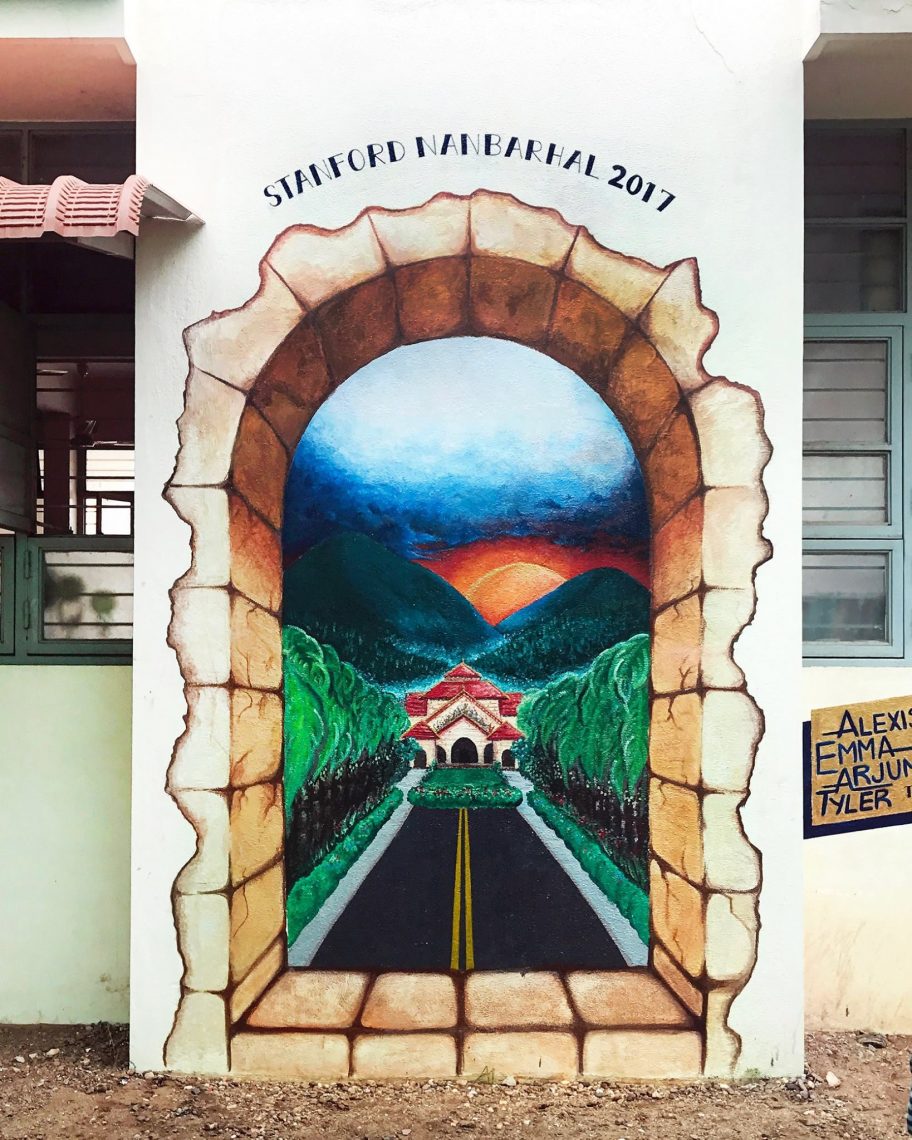
This self portrait depicts the artist in self reflection. The couple gazes forward, as hidden collaged images loom behind, reminding them of the past.
2018
Acrylic and Collage on Canvas 30 x 40 in
By Gunner Dongieux '21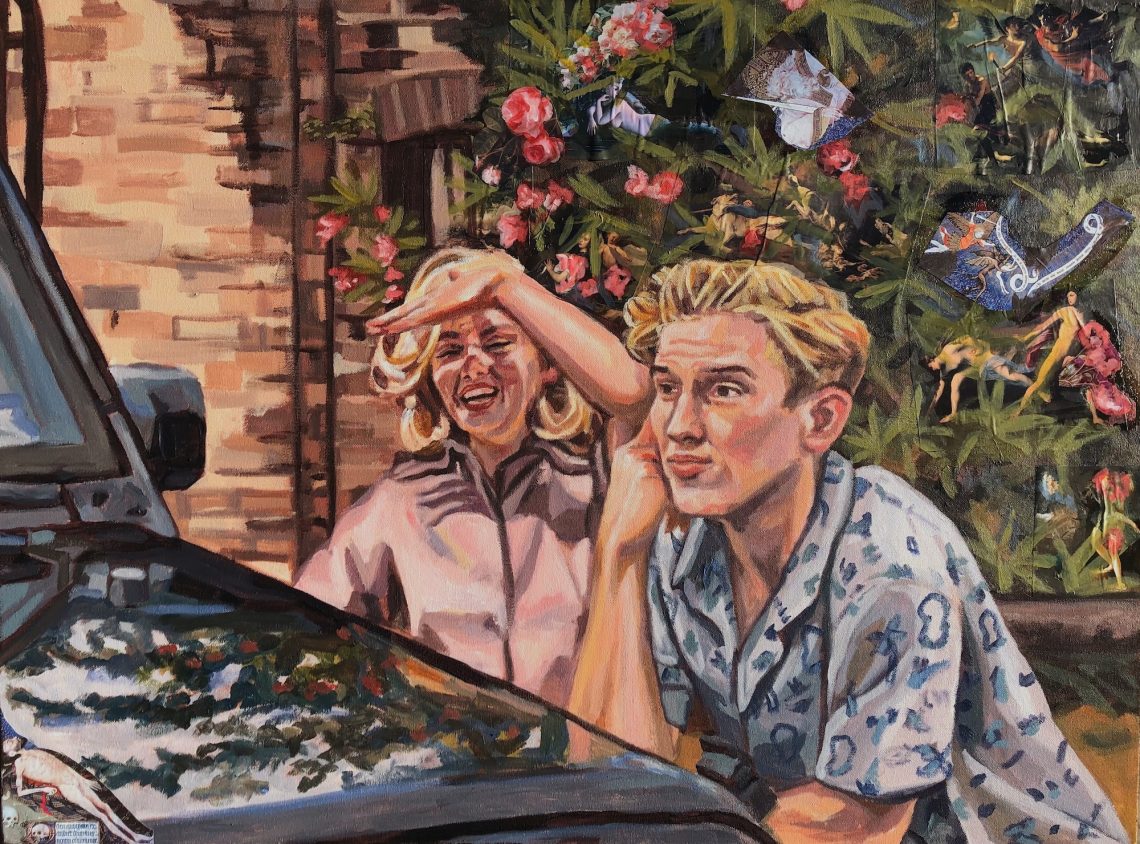
Inspired by individuality and body empowerment. Work focuses on abstraction of human form and color.
2019
Acrylic on canvas
By Julia Gillette '20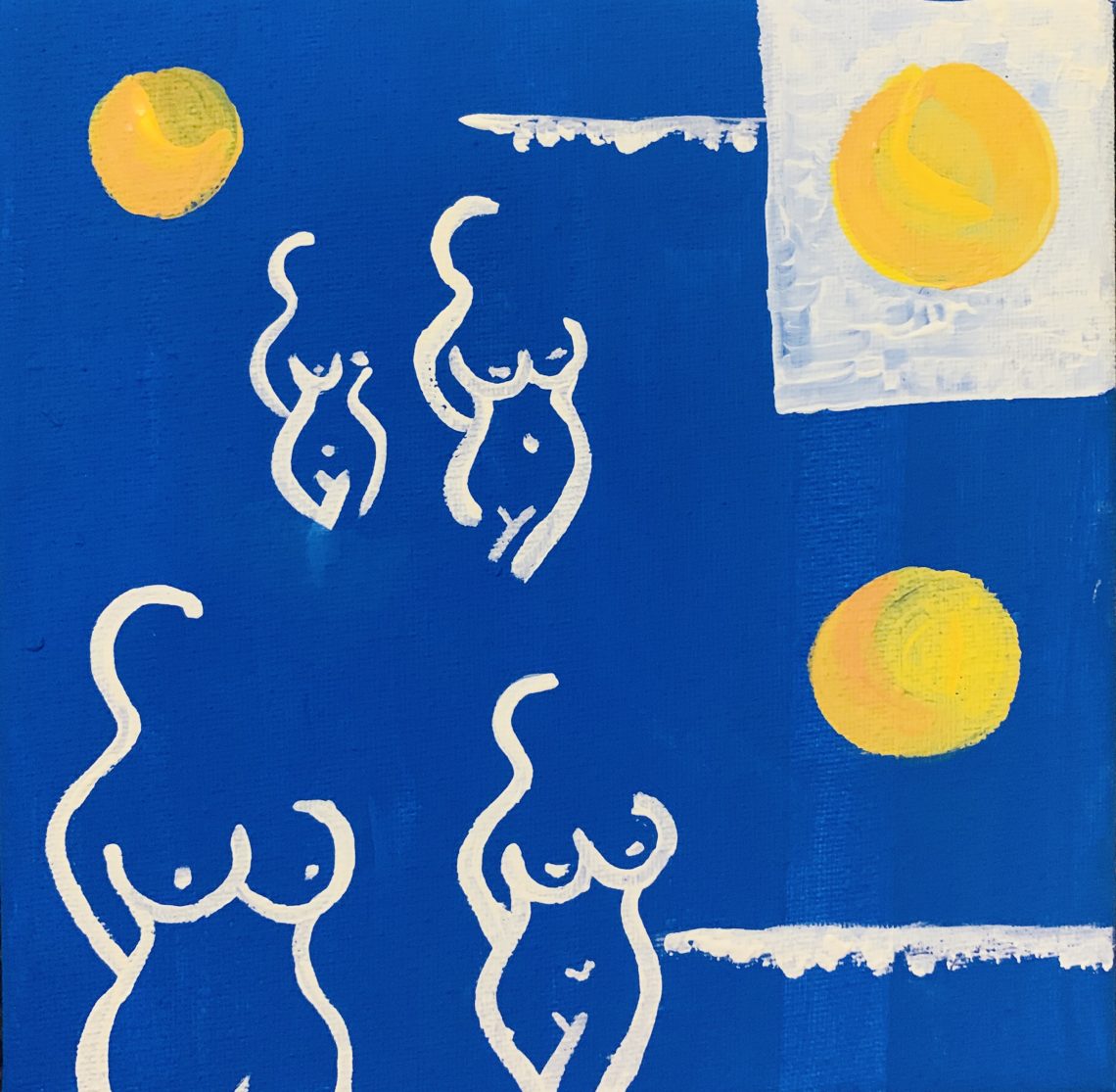
This is a surreal meditation on nature’s comforting power as a sanctuary for people in need of healing.
2022
Pencil on paper
By Bryan Defjan '24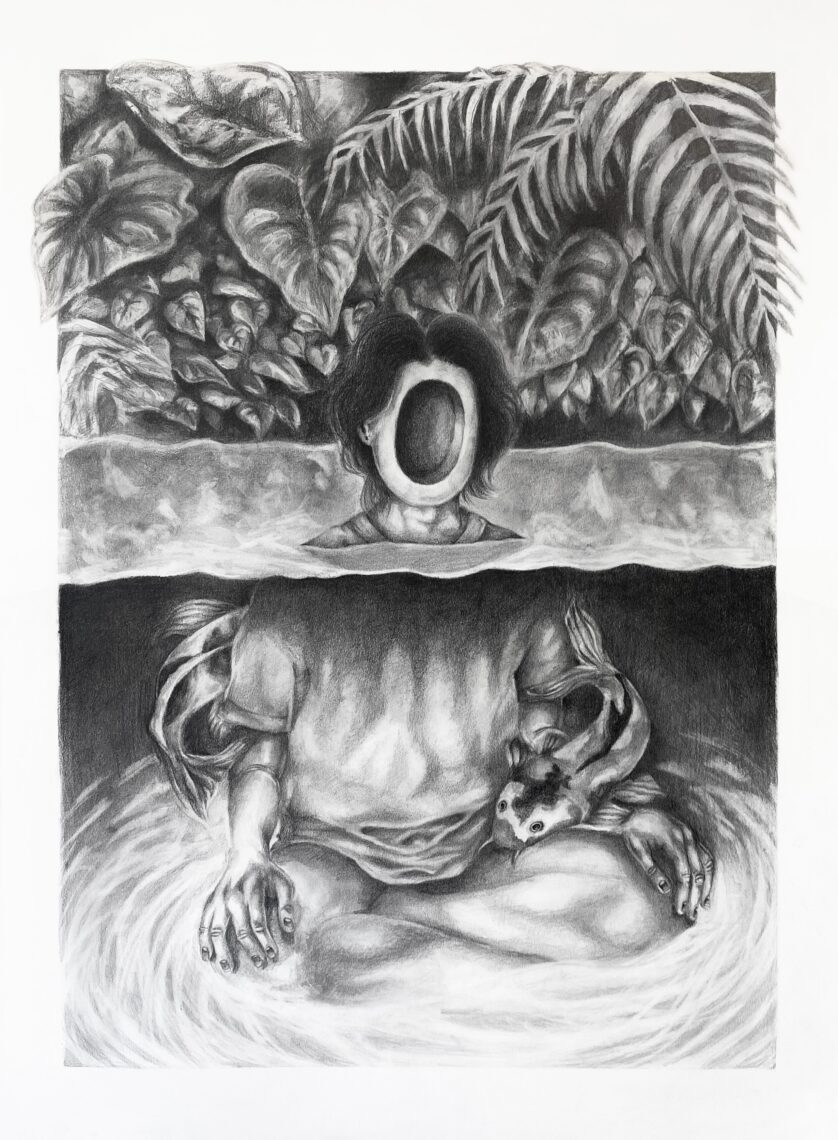
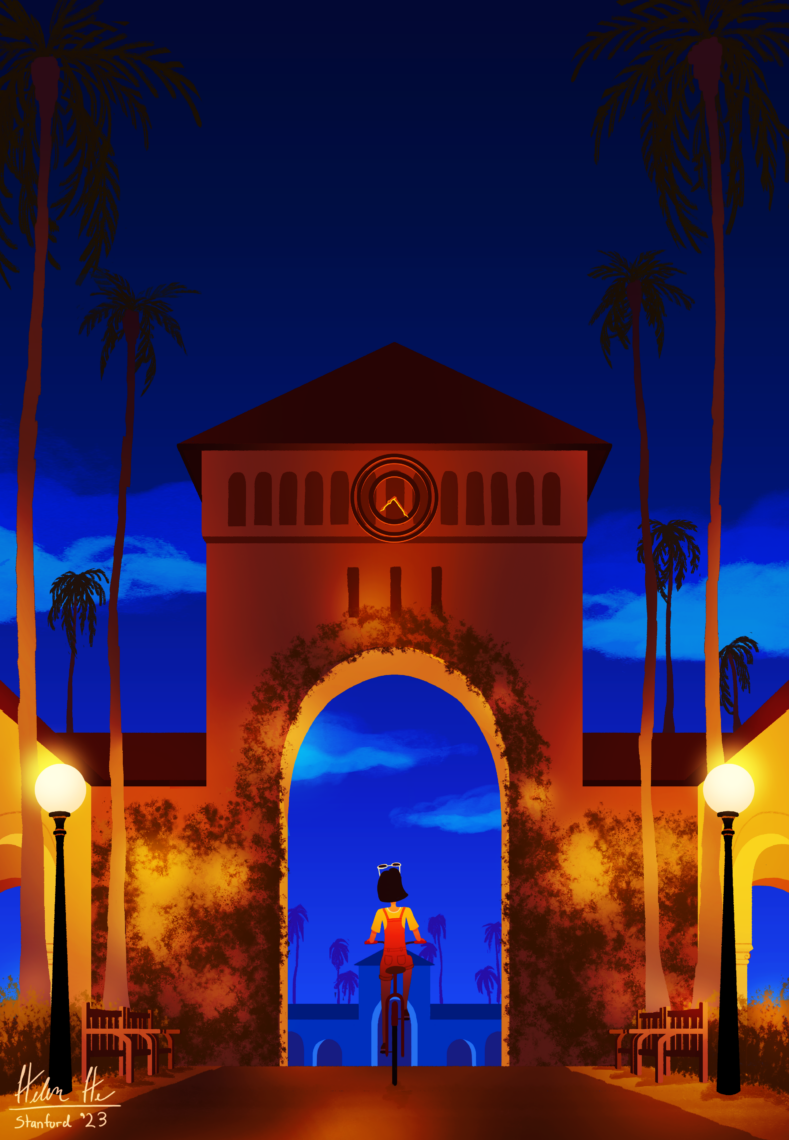
This piece seeks to capture the way people burnout and lose themselves to fulfill the expectations of others.
2020
Digital Illustration
By Felicity Huang '25