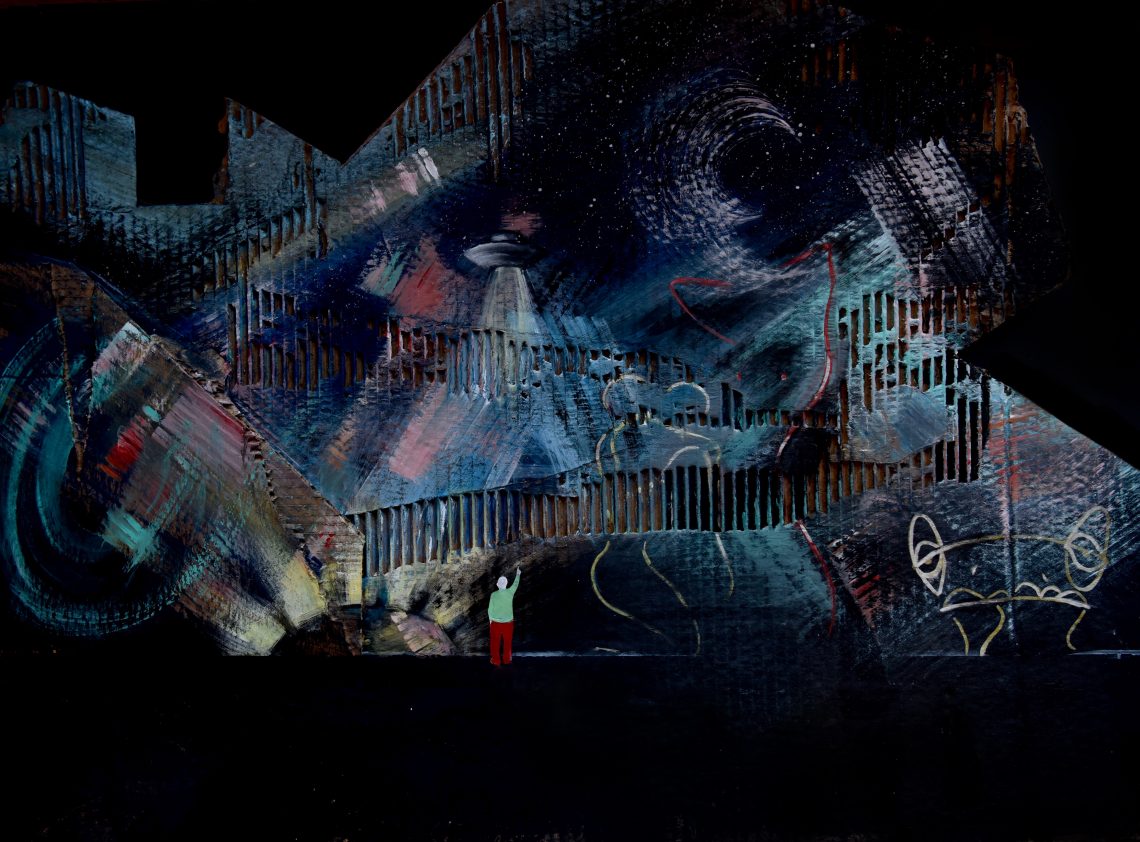
Fathom, Camille Utterback (2025)
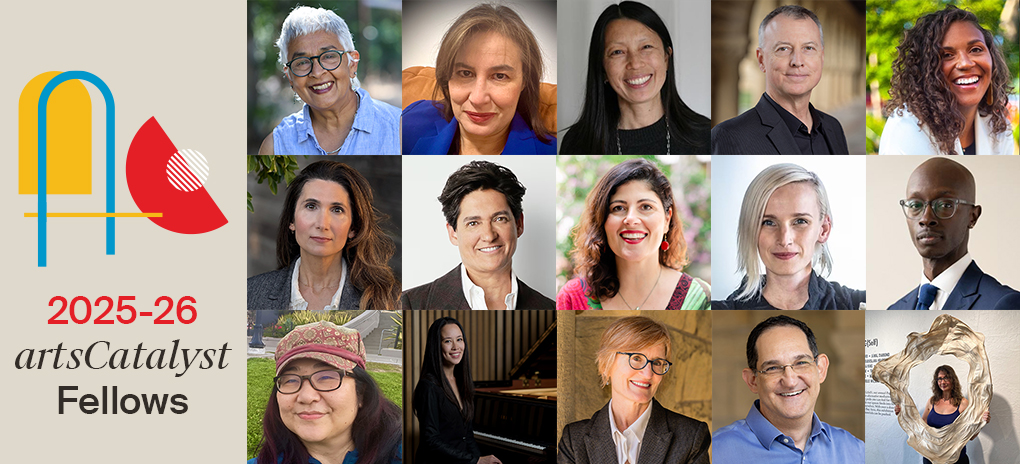
artsCatalyst Fellows
Open to Faculty & Teaching Staff
Do you have a novel idea for deeply integrating art with scholarship in a course that you teach, or want to teach? Are you already experimenting with interdisciplinary arts integration?
Overview
The artsCatalyst Fellows program helps foster the development of Stanford cultures of interdisciplinary arts integration in undergraduate teaching, through sharing of positive and negative experiences, collective framing and analysis of opportunities and obstacles, creative practice workshops, and facilitating explorations across art and scholarship. Each year we select a focus topic within interdisciplinary arts integration and open a call for applications for new colleagues to join the conversation. The AY2026-27 artsCatalyst Fellows program will focus on studio critique pedagogy and envisioning its translation across disciplines.
Fellows selected for the AY27 program will join previous fellows at a series of meetings and events during autumn quarter 2026, and will each receive a grant of $1000 to support their work in arts integration.
Eligibility
Open to faculty (professoriate and core academic teaching staff) applying individually or in pairs, including individual instructors in search of interdisciplinary course development partners. Applicants requesting assistance in finding interdisciplinary course development partners are encouraged to submit their proposals early. Priority will be given to proposals that integrate arts with non-art disciplines.
The fellowship grant is limited to faculty and core lecturers. However, we welcome other teaching staff and postdocs to submit an application to participate in the workshop discussions without receiving a grant.
Future support
Fellows are encouraged to propose course ideas that emerge from program participation to their home department(s) for a subsequent academic year. SAI will gladly cross-list any department-approved courses (ARTSINST) and will have limited funds available to support course activities and materials. Please note, SAI is not able to provide funding to cover instructor salaries, and all courses will require approval of at least one home department.
Apply to be a 2026-27 artsCatalyst Fellow
To apply, please send us a proposal by email explaining your interest in the artsCatalyst Fellows program. It would be most helpful if you could outline at least one concrete interdisciplinary arts integration idea you have, or approach you have tried. List any related courses taught and/or other relevant experience in the past five years. The suggested length range for submissions is from one paragraph to one full page of text.
Applications accepted until June 26, 2026
SAI Spotlight
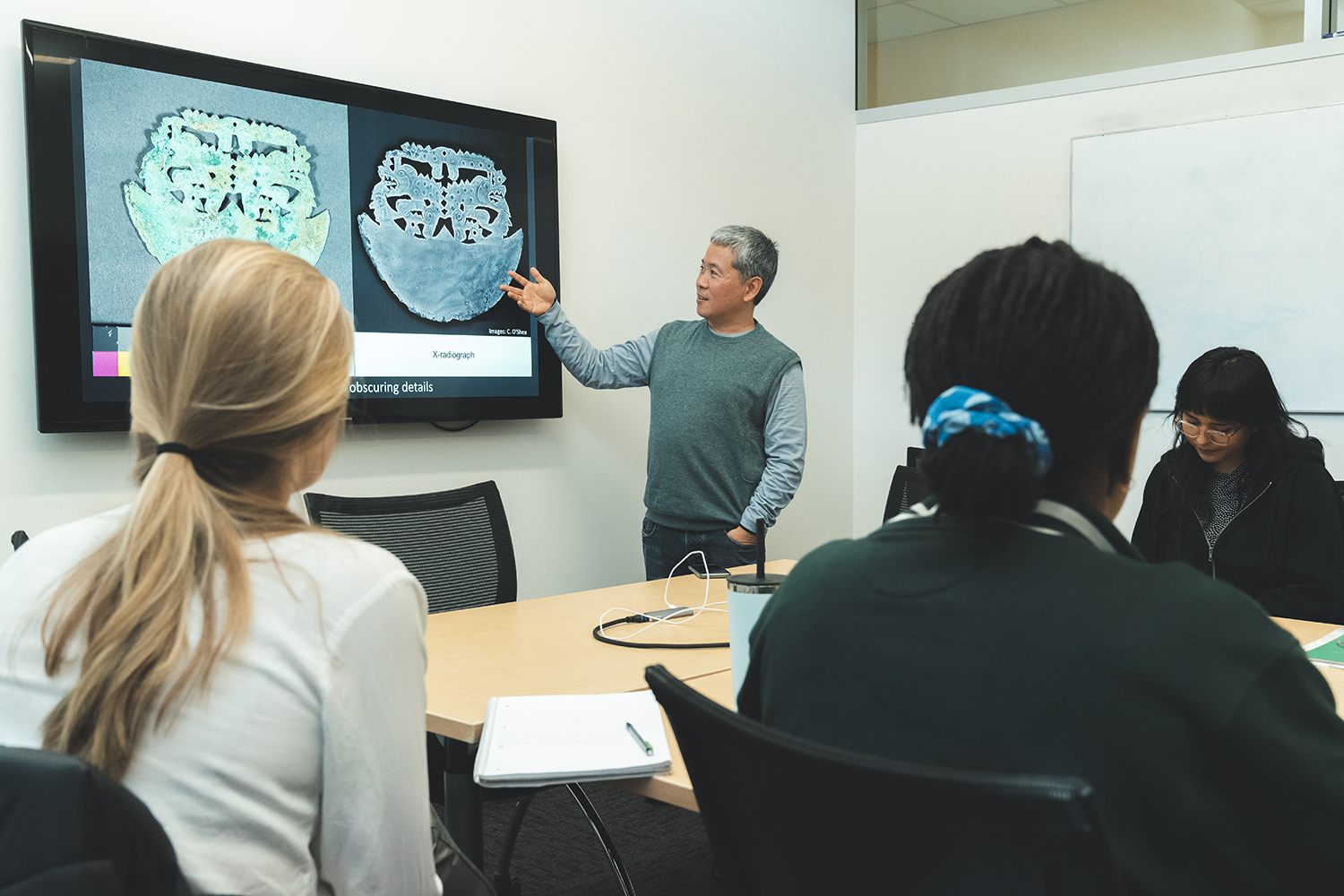
Fellowship fosters creativity in the classroom
The artsCatalyst fellowship creates a community of instructors looking to integrate the arts into courses across disciplines.
aC Fellow-Initiated Workshops & Activities
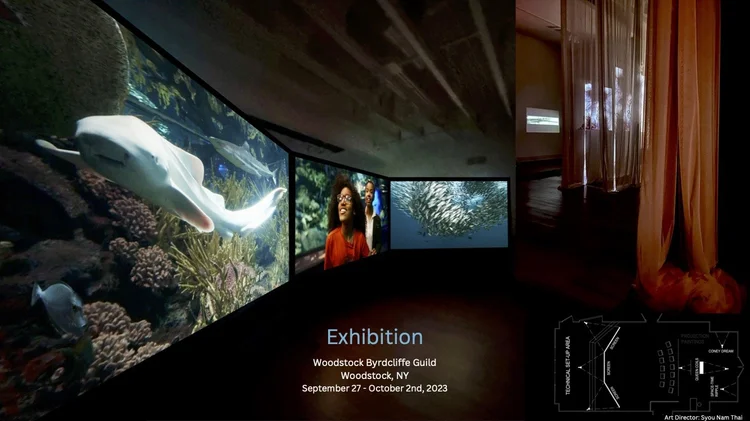
Using Narrative to Green University Culture and Curricula
Session with with Lydia Dean Pilcher
Feb 20, noon-1:30PM
artsCatalyst lead: Ben Mylius
What does it actually take to bring climate into the heart of a university's teaching, as a context that reshapes how disciplines think? Filmmaker, cultural strategist, and educator, Lydia Dean Pilcher has spent the last several years building answers to this question. At Columbia Climate School, she created an interdisciplinary graduate course that brings together students from the sciences, policy, and the arts to examine how narrative forms shapes climate perception and response. She has also been in conversation with a range of other university experts and institutions, including Columbia and NYU, and Yale University, about what "greening the curriculum" means in practice: what institutional conditions enable it, what resistance it encounters, and where cultural and narrative strategy can do work that scientific literacy alone cannot.
In this session, Fellows meet with filmmaker and producer Lydia Dean Pilcher, who has played a pivotal role in the PGA/directors' guilds' greening film and film storytelling initiatives. Pilcher will share what she has explored and built, what she has learned from efforts at other universities, and what terrain remains ahead. The conversation is intended to be practical and reciprocal: what might climate-integrated, arts-engaged teaching look like at Stanford, and what would it take to make it durable?
Workshop with Beatrice Glow
May 11, 3:30-5:30PM
artsCatalyst lead: Kim Beil
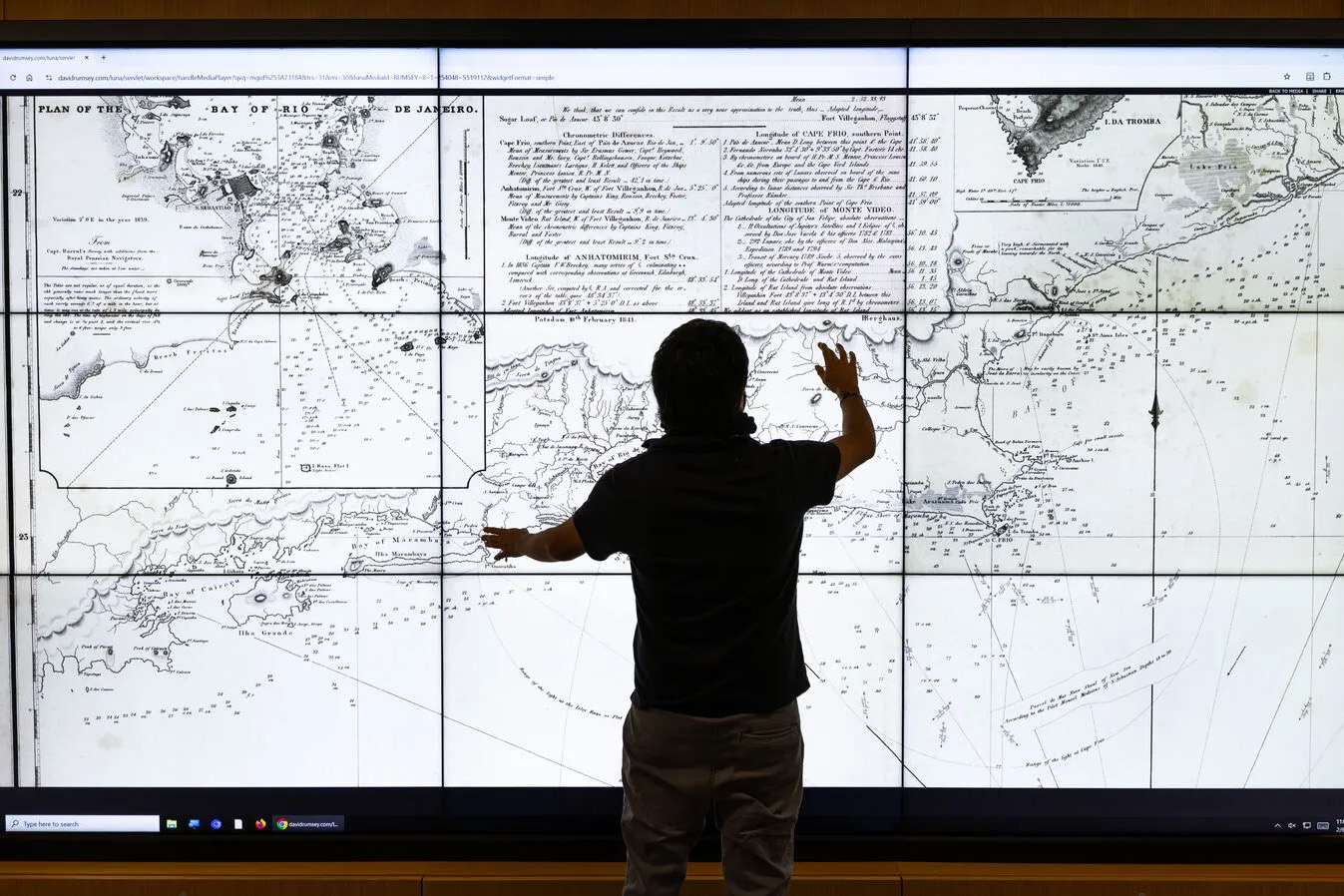
Fellows join visiting artist Beatrice Glow for a workshop in conversation with Glow’s mini-residency and the Rumsey Map Center. Glow’s multidisciplinary practice takes inspiration from archives, maps, and material culture related to legacies of global trade and colonization. She works with culture bearers around the world to craft alternative histories and imagine different futures for places and people.
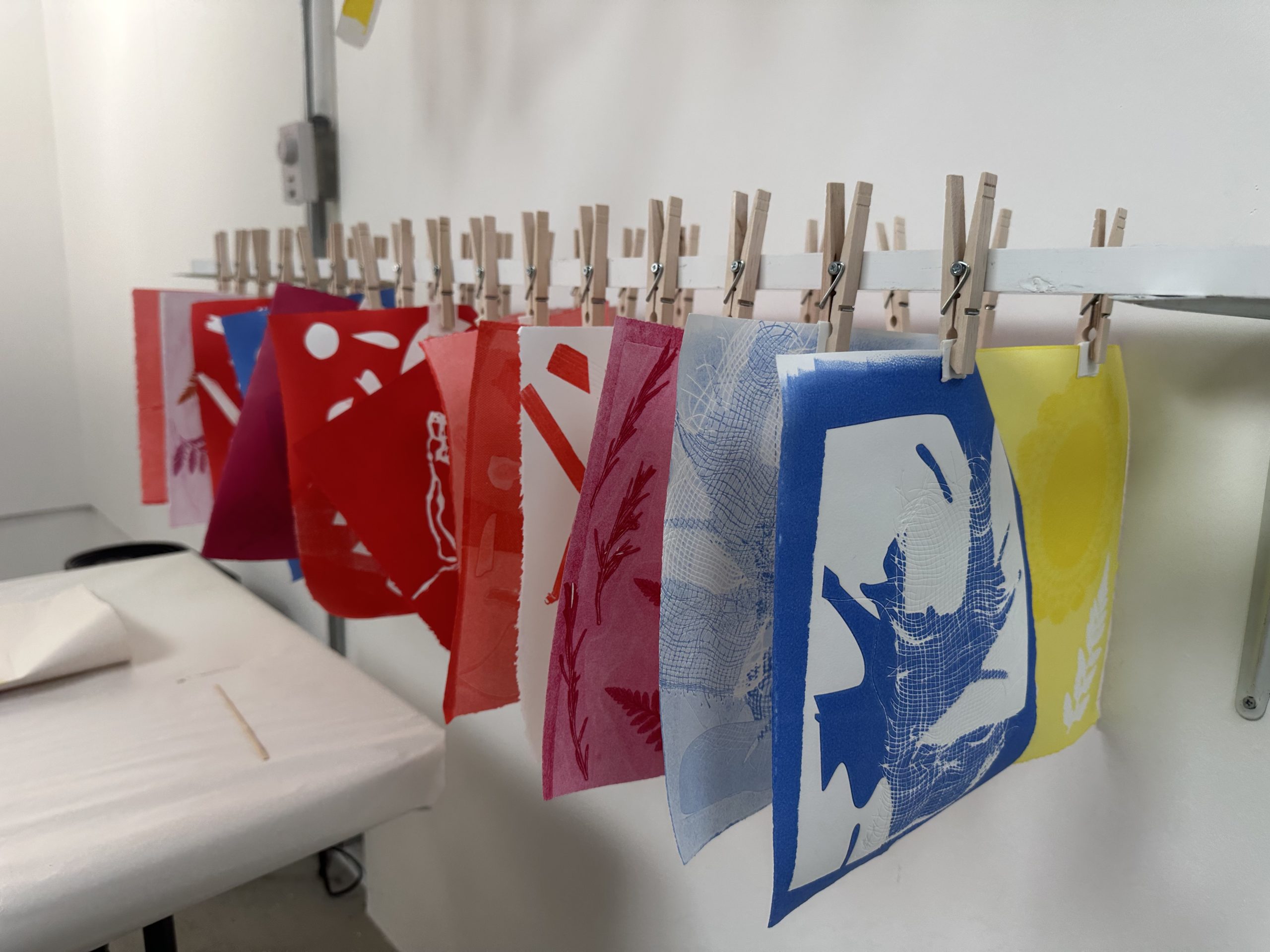
Workshop with Camille Utterback
May 21, 3-5PM
This fellowship is administered by the Stanford Arts Institute (SAI) with support from the Office of the Vice President for the Arts.

Contact:
Stanford Arts Institute
artsinstitute@stanford.edu