artsCatalyst 2026-27 Fellows
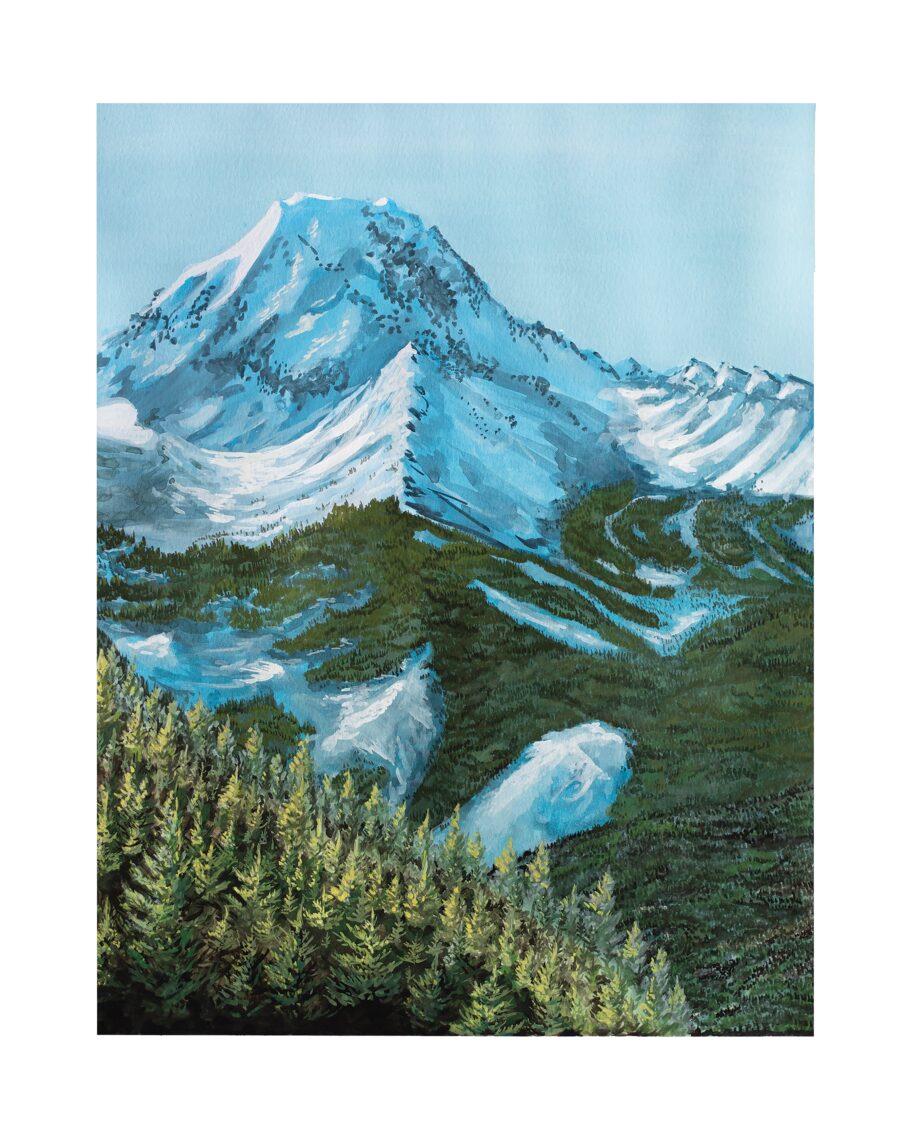
Fathom, Camille Utterback (2025)
2026-27 artsCatalyst Fellows
The artsCatalyst Fellows program brings together an annual cohort of course instructors to discuss arts integration pedagogy, workshop course ideas and syllabus strategies, and develop bigger ideas around roles for art in teaching and research across wide-ranging academic disciplines.
Looking for information about the artsCatalyst course enhancement grants? Visit the grant page here.
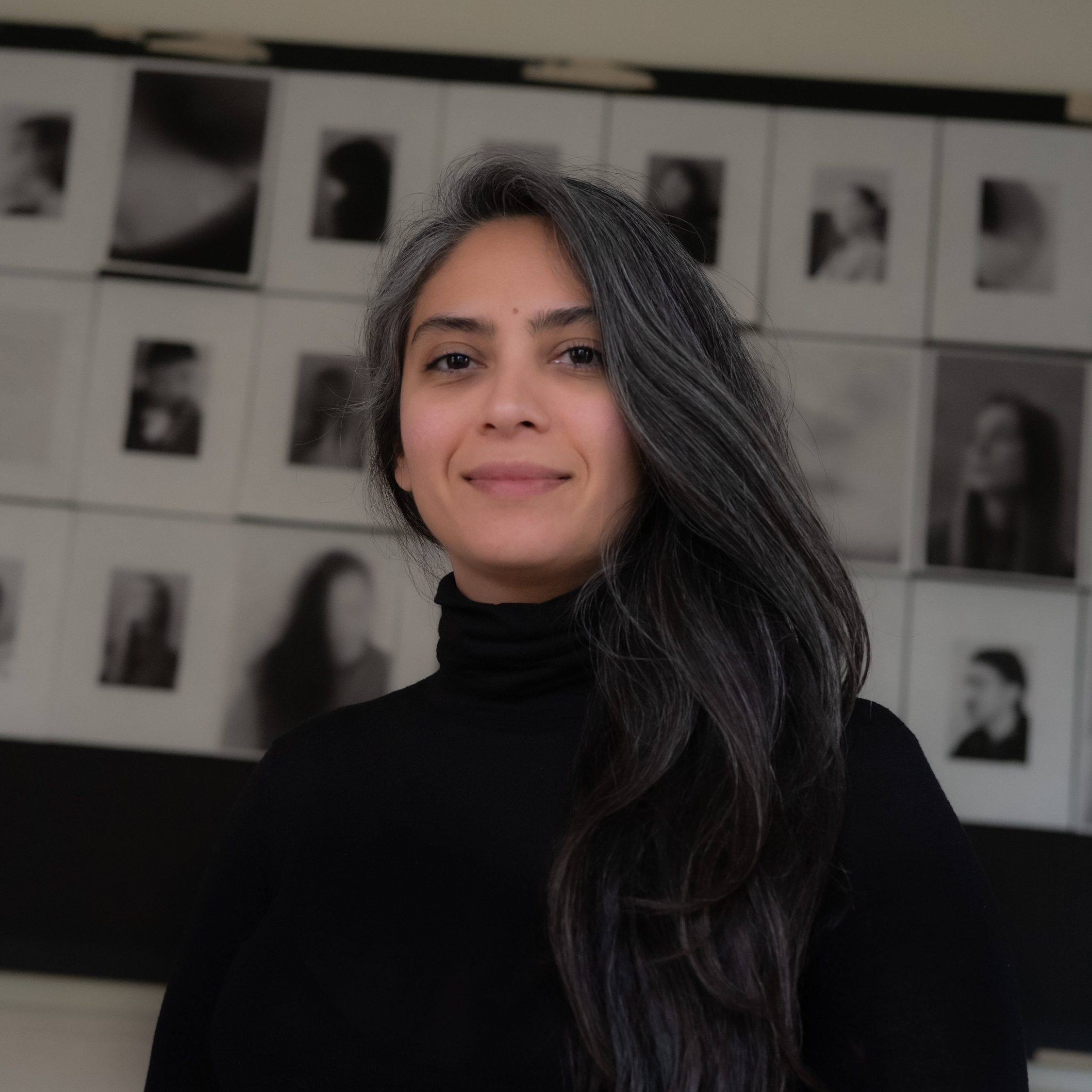
Ioanida Costache
Assistant Professor, Music
Ioanida Costache is Assistant Professor of Ethnomusicology, and, by courtesy, Anthropology, at Stanford University. She is also a faculty affiliate of the Center for Comparative Studies in Race and Ethnicity. Her work explores the legacies of Romani historical trauma and the feminist critiques of the present, inscribed in Romani music, sound, and art. Her writing has been published in EuropeNow, RevistaARTA, Critical Romani Studies, European History Quarterly, and is forthcoming in Ethnomusicology. Her research has been supported by two Fulbright grants and the Council for European Studies. She has held visiting and postdoctoral fellowships at the University of Pennsylvania, the United States Holocaust Memorial Museum, and the USC Shoah Foundation.
Her book project, Hearing Romani-ness, examines how music structures the political and social belonging of Romani peoples in ways that reify and work against processes of identity formation and racialization. Through an ethnographic focus on Romani musicians, the project shows how intergenerational memory of Romani trauma is discreetly embedded in sonic expressions of sorrow within a bounded repertoire that in being kept private served as a vehicle for collective healing. The book puts forth a new framework for navigating how sound, when heard as affective expression, can be used for reparative purposes in the wake of persecution, while also offering an interpretive and analytic vocabulary for learning to listen for the Roma.
I am interested in how we might blur the lines between research and creative practice in a course like mine that attempts to make creative modalities legitimate forms of knowledge production. The future of new methodological pathways lies in their present pedagogical possibilities; I’m deeply invested in the idea of the classroom as a liberatory laboratory.
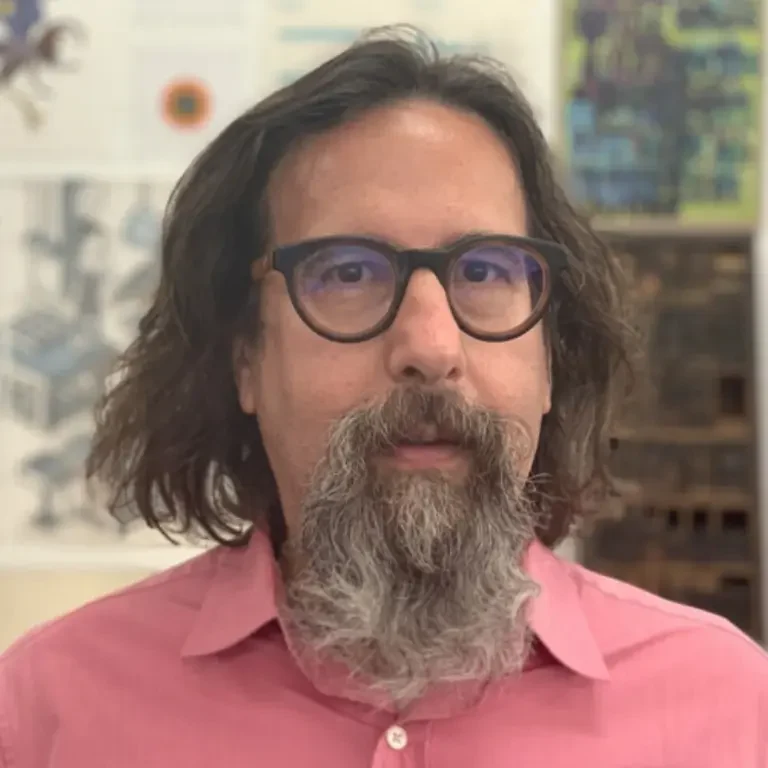
Patrick Fenton
Lecturer, Hasso Plattner Institute of Design
Patrick is a partner in the design studio Swayspace, a lecturer in the Design program at Stanford, and a founder and co-director of the d.school Community Printshop. He believes that a strong design practice keeps in mind where we've been and where we're going, and that a blend of manual, digital, and collaborative making are instrumental in building better visual instincts.
In my experience, printshops are hubs for creative expression and I am interested in using the space to shed light on the amazing work that happens across campus. I would love to explore courses that lead to publications like the Fungal Futures booklet we made with the Hill-Maini lab, and to amplify important experiences and conversations.
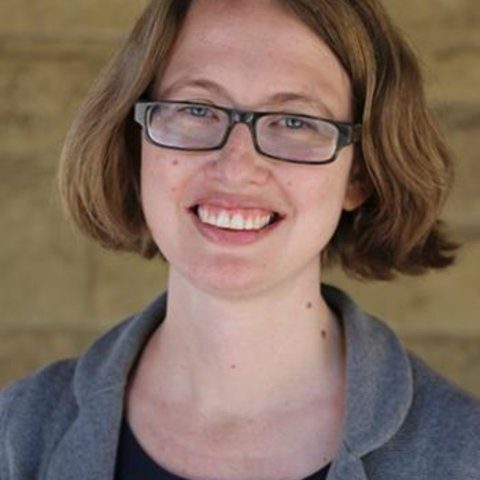
Megan Formato
Advanced Lecturer, Program in Writing and Rhetoric
Meg Shields Formato is an advanced lecturer in the Program in Writing and Rhetoric (PWR) at Stanford where she teaches first and second year writing courses that explore the relationship between science, technology, and culture and advanced undergraduate courses in science communication through the Notation in Science Communication (NSC). As a historian of modern science and technology, Meg brings methods from history of science, book history, and writing studies to bear on questions about scientific communication and culture. In her research and teaching, she engages in sustained ways with both the history and rhetoric of science, teaching students to read scientific and technological sources as sets of choices made by their authors to persuade specific audiences. Her writing has appeared in Science, American Scientist, Endeavor, Lady Science and the AAEBLE ePortfolio Review and in edited collections including Embodied Knowledge: Women in Science & Technology before Silicon Valley and Beyond Fitting In: Rethinking First-Generation Writing and Literacy Education. She is a co-author of the new textbook Communicating Science in Public.
In recent years, we’ve noticed that our students are increasingly interested in the intersection of art and science communication, where art forms as varied as photography, illustration, film, literature, and weaving engage both technical and public audiences in science: sparking curiosity, provoking questions and critique, and facilitating the understanding of complex ideas. We’re excited to explore how art could be used to help our students engage with scientific concepts in new ways and help them to think more imaginatively and rigorously about their relationship with their audiences.
M. Elizabeth Grávalos
Assistant Professor, Anthropology
Dr. Grávalos is an anthropological archaeologist that studies Indigenous Andean communities in the deep past, for whom we have no written records. She looks at how people made things like ceramics, textiles, and cordage to understand the sociopolitics that undergirded their making practices. With theoretical foci on materiality, ontology, and social practice, this research asks: what are the political affordances of specific substances and landscapes? How did these materials and places bridge possibilities for political action, impacting power dynamics, economies, and social identities? Grávalos thinks through these questions in the context of Andean Peru, where she has conducted research since 2009. Her current investigation into ‘political geologies’ considers how geologic resources are culturally made and valued, and how categorizations and use of these geomaterials foment political dynamics among pre-Hispanic and present-day Andean communities. Grávalos is trained as a field archaeologist and an archaeological scientist who is committed to collaboration with descendant communities. She uses methods in chemistry and microscopy to help identify clays, minerals, and organic materials that Indigenous potters and weavers used in the deep past to make the material culture that she studies. Grávalos is currently working on her first book project, which engages these themes to understand how Andean peoples crafted new worlds amidst regional political transformation during the first millennium CE.
Grávalos deeply believes that making is a form of thinking, and that this simple idea can be used to understand social relationships past and present, as well as to empower students to brainstorm in new ways. In her new course, “Making, Knowing, Resisting: Anthropology of Craft”, she is integrating seminar discussion of craft (what it is, who gets to define it, how people use craft as a form of resistance) with making practices, in order to equip students with skills to use craft as a form of world building and activism. She would like to learn how to balance classroom seminar discussions of readings with hands-on making, and to learn the creative ways other faculty integrate arts-learning into their courses.
Lauren O’Connell
Associate Professor, Biology
Lauren O’Connell is an Associate Professor in the Biology Department. Her research integrates neuroscience, physiology, and ecology to understand how animals evolve new behaviors and physiological adaptations. She studies the neural mechanisms underlying parent-offspring interactions and investigates how poisonous animals protect their nervous systems from environmental toxins, with the long-term goal of informing antidote development. Dr. O’Connell earned an A.A. in Natural Sciences from Tarrant County College before transferring to Cornell University. She received her Ph.D. in Cellular and Molecular Biology from the University of Texas at Austin, where she studied the evolution of vertebrate social behavior using cichlid fish. She then established her independent research program as a Bauer Fellow at Harvard University before joining Stanford in 2017. Her research has been recognized with the Presidential Early Career Award for Scientists and Engineers, the L’Oréal USA For Women in Science Fellowship, and an NIH New Innovator Award. Her work has also been featured in The Wall Street Journal, National Geographic, and The New York Times.
My goal is to integrate artistic practice into two biology courses as a way of encouraging students to learn to see, think, and communicate like scientists. Through observation, drawing, visualization, and iterative critique, students can learn to notice details, recognize patterns, make their thinking visible, and refine their understanding, all important components of sense-making. The goal is not to teach biology students to become artists, but to use the practices of art to cultivate more thoughtful observers, creative problem-solvers, and ultimately better scientists.
Michael Rau
Assistant Professor, Theater & Performance Studies
Michael Rau is a live performance director specializing in new plays, opera, and digital media projects. He has directed projects internationally in Germany, the UK, Brazil, Ireland, Denmark, Mexico, Canada, Australia and the Czech Republic. He has created work in New York City at Lincoln Center, The Public Theater, PS122, HERE Arts Center, Ars Nova, The Bushwick Starr, The Brick, 59E59, 3LD, and Dixon Place. Regionally, his work has been seen the American Repertory Theatre in Cambridge, MA, the Ann Arbor Summer Festival, and the Humana Festival at Actors Theater of Louisville. His work with composer Kate Soper has been performed at the Seattle Symphony, The New York Festival of Song, and the New York Philharmonic. He has developed new plays at the Eugene O’Neill National Playwrights Conference, Playwrights Realm and the Kennedy Center in Washington DC. His production of "temping" was selected by the Guardian and the Telegraph as one of the best productions of the 2022 and 2024 Edinburgh Festival Fringe, and the piece was featured twice in New York Times He is a recipient of a 2021 Artists + Machine Intelligence Research Award from Google, as well as fellowships from the Likhachev Foundation, the Kennedy Center, and the National New Play Network. He has been a resident artist at the Orchard Project, E|MERGE, and the Tribeca Performing Arts Center. Rau is a Forward/Story fellow and a speaker at Books in Browsers, Performing Robots and StoryCode. He is a fellow of the Akademie für Theater und Digitalität and a resident of Stochaistic Labs. He has been an assistant director for Francesca Zambello, John Turturro, Robert Woodruff and associate director for Anne Bogart, Les Waters, and Ivo Van Hove. He is a New York Theater Workshop Usual Suspect and a member of the Lincoln Center Directors Lab. He is a graduate of Wesleyan University and received his MFA in Theater Directing from Columbia University. At Stanford, he is an affiliate faculty member with the Stanford Institute for Human Centered Artificial Intelligence.
I would like to use the fellowship to develop a more rigorous and reciprocal model for arts integration: one in which the arts are not simply used to communicate or humanize scholarship from other fields, but where scholarly methods from other fields become generative instruments for artistic practice. Rather than making a performance about technology, I want to investigate how technical and computer science concepts might become artistic methods.
Cintia Santana
Senior Lecturer, Comparative Literature
Cintia Santana teaches translation, fiction, and poetry workshops in Spanish and in English. She is a recipient of the Phi Beta Kappa Teaching Prize and advises the Modern Languages and Translation Studies minors.
Santana’s research interests include transatlantic and translation studies. Santana’s book, Forth and Back: Translation, Dirty Realism, and the Spanish Novel (1975-1995) (Bucknell University Press, 2013) broadens the scope of transatlantic studies by accounting for the "boom" of U.S. fiction in Spain after the end of Francisco Franco's dictatorship. The book examines the economic, literary, and socio-cultural elements that underlay the influx of these so-called dirty realist writers in Spain, and the subsequent impact on a young generation of Spanish writers in the 1990s who insistently claimed these U.S. writers as their literary forefathers.
Santana’s short stories, poems, and translations have been published in numerous journals and in Best New Poets 2016 and 2020, the 2023 Best of the Net Anthology, Poets.org, Poetry Daily, and Split this Rock. She has received fellowships from CantoMundo, the Djerassi Resident Artist Program, the Sewanee Writers Conference, and a Peter Taylor fellowship from the Kenyon Review Writers Workshops.
Santana's collection of poetry, The Disordered Alphabet (Four Way Books, 2023) received the 43rd Annual Northern California Book Award for Poetry, and was short-listed for the 2023 California Independent Booksellers Alliance “Golden Poppy” Award. Additionally, her book received the 2024 Independent Publisher Book Awards Bronze Medal and the 2023 North American Book Award's Silver Medal.
I’m a literary scholar, poet, and translator who is deeply interested in the visual arts, the environment, and the intersections between these fields. At Stanford, I have designed and taught courses that interweave scholarship and making. I am eager to find community among other scholars and makers across Stanford who are interested in the exchange of ideas, pedagogies, practices, and assessment as pertain to such interdisciplinary courses.
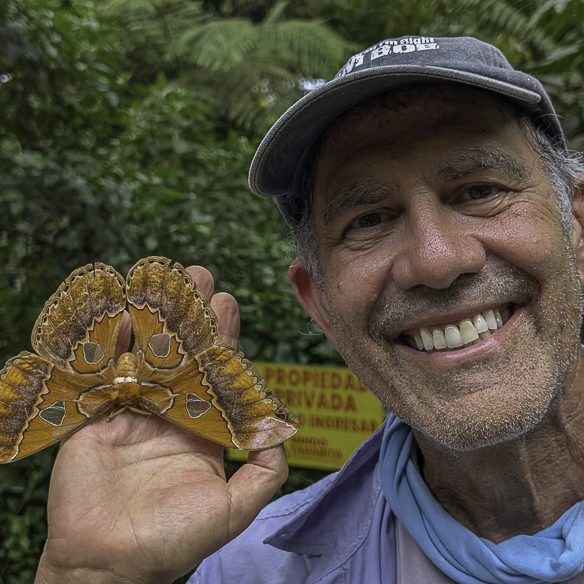
Robert Siegel
Professor-Teaching, Microbiology & Immunology
Affiliate of the Stanford Woods Institute for the Environment
Robert Siegel is a Professor at Stanford in the Department of Microbiology and Immunology with secondary appointments in the Center for African Studies, the Master of Liberal Arts Program, the Woods Institute for the Environment, and The Program in Human Biology. His courses focus on virology and infectious disease, genetics and molecular biology, global health and development, photography, ecology, Darwin and evolution, bird taxonomy, and Stanford itself. For more than 20 years, he served as Course Director of the Infectious Disease component of the required preclinical curriculum at the Stanford University School of Medicine. He has written book chapters on viral classification, vaccines to prevent viral cancers, and prions. During the coronavirus pandemic, he gave numerous lectures and interviews and his writing appears in Medium, Fox News, and elsewhere.
Dr. Siegel has won numerous teaching and service awards including the Walter Gores Award, The Henry Kaiser Award, the ASSU Teaching Award, and the Northern California Phi Beta Kappa Teaching Award. His courses have been profiled in the book InGenius and in the Huffington Post. He is currently co-investigator for a Woods Institute sponsored environmental education project in Madagascar.
Dr. Siegel has served in an advisory capacity for numerous international NGOs, organizations, and projects including: The Discovery Channel, Wonderfest, FACE AIDS, Support for International Change, Dr Ocean Medicine Foundation, Free the Children, Sage Bionet, and Teach AIDS. He is also a docent at Jasper Ridge Biological Preserve and formerly at Año Nuevo State Park. He is a published photographer and poet. He is also an avid Dish walker and dromomaniac. (He has completed photographic explorations of seven continents and has taught field seminars on six.) Dr. Siegel’s photographic work has been published in scholarly and popular books and journal articles, as well as numerous online sites.
For many years, Robert has been teaching a course entitled Photographing Nature. In these courses, students use photos to investigate the natural world. There are four main pillars to this process: 1) enhancing observation skills, 2) using captured images to investigate and learn about specific aspects of the natural world, 3) communicating information about science and culture by integrating images and verbal descriptions, and 4) enhancing students' skill in capturing their photographic images focusing on principles such as clarity, novelty, aesthetics, and story line. To achieve these goals, students participate in weekly field trips as well as weekly oral presentations of their work in the didactic portion of the class.
In addition to Photographing Nature, Robert integrates art, science, and culture into his avian taxonomy class 45 Orders of Birds. His Humans and Viruses class discusses the aethestics and design principles of viral morphology as well as various macromolecules. Students are required to create three-dimensional models of viruses and viral processes. A number of years ago, these models were displayed in their own gallery exhibition at the Cantor.
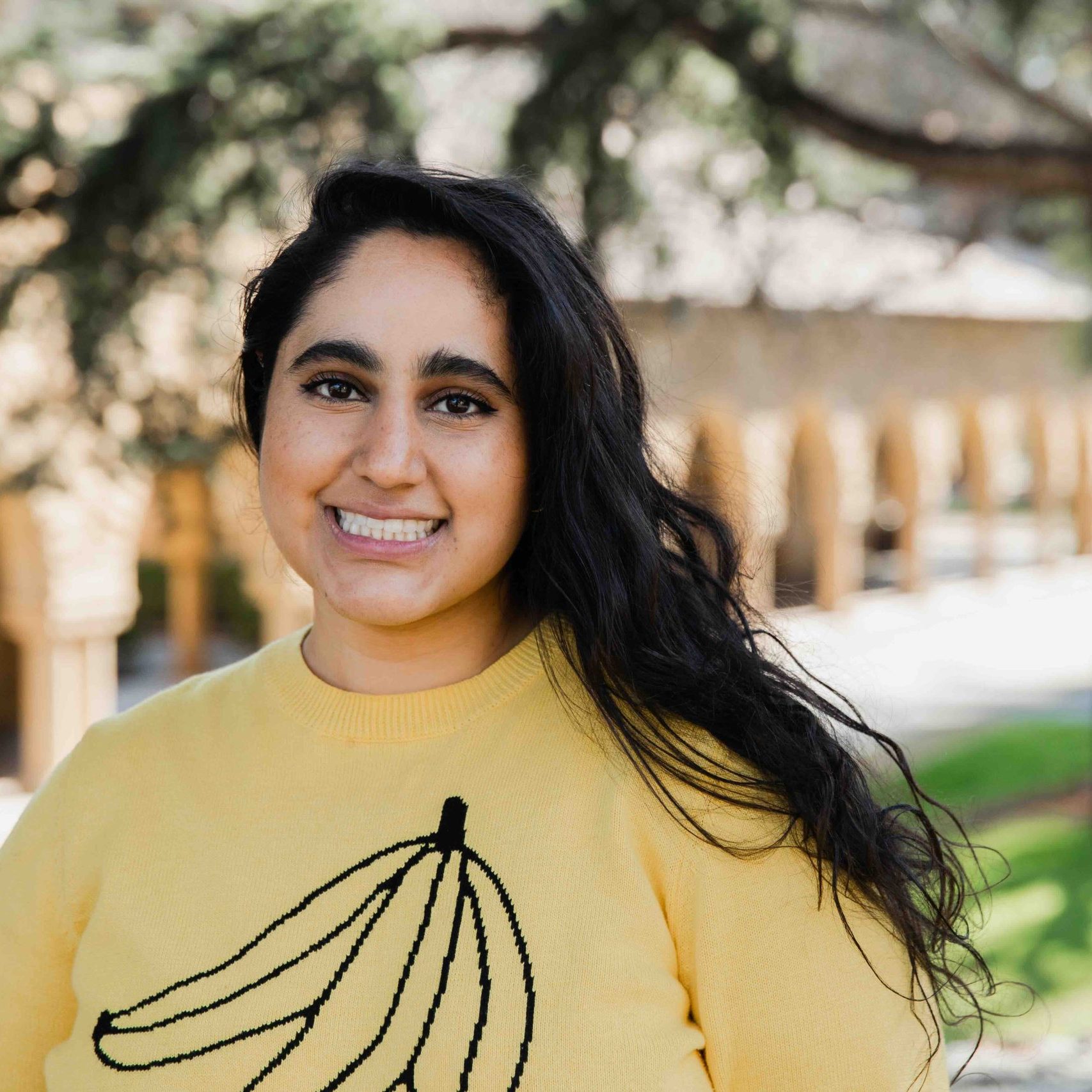
Meenu Singh
Lead Learning Experience Designer and Lecturer, Hasso Plattner Institute of Design
Meenu Singh, MS.Ed, is a designer and educator focused on helping people (re)discover their creative potential. As faculty at Stanford’s Hasso Plattner Institute of Design (d.school), Meenu teaches the foundational course in the MS Design program sequence as well as Wild Ways of Making, a course that introduces students to a variety of traditional and emergent materials and processes, from silk production to 4D printing. In addition to working with Stanford students, Meenu co-leads the d.school’s Teaching & Learning Studio portfolio, where she has worked with 1,500+ educators, administrators, and leaders from around the globe. Meenu also collaborates with physicians and researchers at Stanford Hospital and Stanford School of Medicine to integrate design thinking into medical education. She holds an MS in Learning, Design & Technology from Stanford’s Graduate School of Education. When she’s not scheming towards more joyful, just systems and futures, you’ll find Meenu on a pickleball court or trying her best as an amateur ceramicist in her cozy San Francisco pottery studio. Meenu is inspired by the creative potential that exists in you, you, and yes, even you.
Meenu is interested in interdisciplinary experimentation with curriculum that helps students transform how they see themselves and the world around them. She is particularly interested in developing playful, unexpected learning experiences that invite students to experiment, get curious, and discover new ways of thinking and making. Her course DESIGN242: Wild Ways of Making explores traditional and speculative materials and modes of making and has been an ongoing site for experimentation and collaboration.
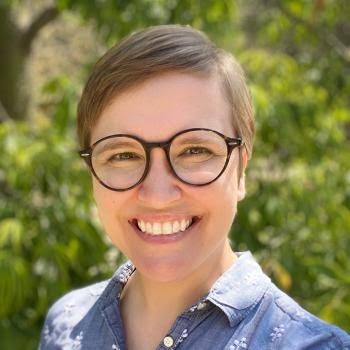
Jennifer Stonaker
Advanced Lecturer, Program in Writing and Rhetoric
Jennifer Stonaker is an advanced lecturer in the Program in Writing and Rhetoric where she teaches writing, oral presentation, and science communication courses. Her courses focus on scientific themes, exploring the role of plants in the natural world, how societies use scientific data to make decisions, and how to communicate science to the general public through genres such as podcasting and museum exhibits. Her interests in these themes come from her previous work as a plant genetics researcher and as an instructor and curriculum developer at science museums. Her current research focuses on science communication and writing pedagogy, particularly in how electronic portfolios and reflection can promote learning.
In recent years, we’ve noticed that our students are increasingly interested in the intersection of art and science communication, where art forms as varied as photography, illustration, film, literature, and weaving engage both technical and public audiences in science: sparking curiosity, provoking questions and critique, and facilitating the understanding of complex ideas. We’re excited to explore how art could be used to help our students engage with scientific concepts in new ways and help them to think more imaginatively and rigorously about their relationship with their audiences.
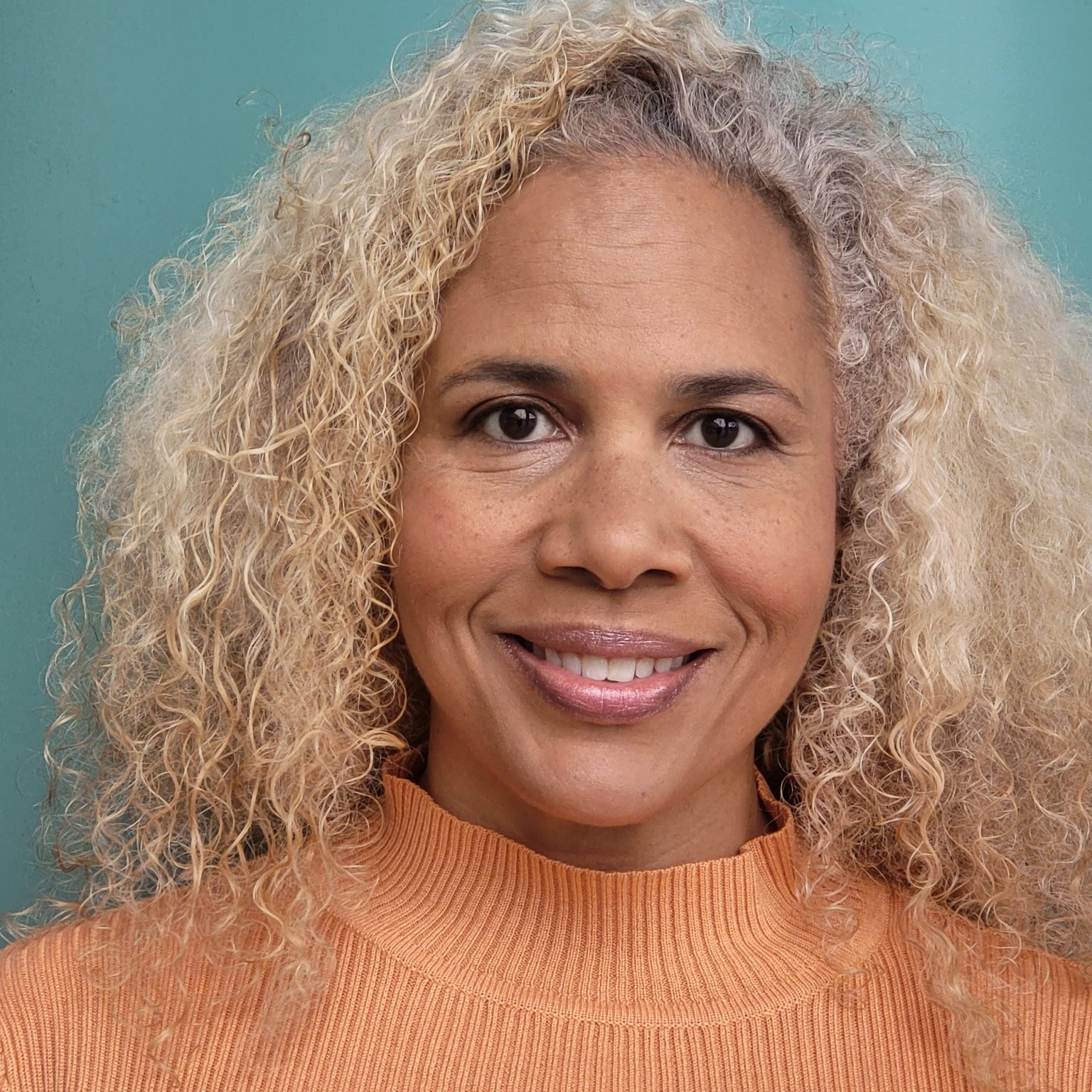
Kathleen Tarr
Advanced Lecturer, Program in Writing and Rhetoric
Kathleen Tarr is an Advanced Lecturer in the Program in Writing and Rhetoric, Certified Human Rights Consultant (U.S. Institute of Diplomacy and Human Rights), former Skadden Fellow (“legal Peace Corps”), and member of the California Bar. While a student at Harvard Law School, Kathleen co-authored Japan’s first university-level sexual harassment policy and began representing disabled combat veterans in Department of Veterans Affairs benefits claims, becoming the first Skadden Fellow to propose a veterans law project. As a practicing attorney, Kathleen was key to expanding VA representation in legal services and in support authored law review article "Above and Beyond: Veterans Disabled by Military Service" (1997) which was cited by the 9th Circuit Court of Appeals.
After pivoting from legal practice to the entertainment industry, Kathleen's résumé expanded to acting credits encompassing stage, film, commercials, television, and video games including "House M.D.", Sundance award winner "Dopamine", and "Sim City." In an effort to narrow show business's distance from the nation's anti-discrimination efforts, Kathleen authored law review article "Bias and the Business of Show: Employment Discrimination in the 'Entertainment' Industry," delivered the General Session at the 2015 State Bar of California Annual Meeting, produced a feature-length documentary "Getting Played: Who's Playing You?!" that received Honorable Mention at the 2010 International Black Women's Film Festival, and founded the annual Getting Played Symposium on Equity in the Entertainment Industry and Awards.
Kathleen has produced two other films that were official selections in film festivals: her short animation "I Have All The Feelings" (2014 International Black Women's Film Festival) and her short sci-fi film "Early Aliens" (2015 ASTRONOMMO: Speculative Fiction on Film + Black Women). She also appears (as self) in the documentaries "Nevertheless" (2020; Dir. Sarah Moshman) and "Brainwashed: Sex-Camera-Power" (Dir. Nina Menkes) which premiered at the Sundance Film Festival in 2022. Kathleen is also a Women’s American Football League draftee and 42+ time indoor rowing world record holder, and yes, there is a law review article she authored for that: "Regatta Revisited: The Race for Equity in Virtual Sports" (2019; co-authored with Doron Dorfman).
As a singer, dancer, musician, and filmmaker with commercial, film, stage, and voiceover acting credits, I already integrate some elements of performance into my teaching, including a comedy workshop, a catwalk assignment, and activities that help students to use their speaking voices as instruments. I intend to continue these activities but hope to learn more about pedagogy integrating art forms, workshop course ideas and syllabus strategies, and develop bigger ideas around creating an entire course that approaches its more academic topics through the lens and importantly embodiment of late-night comedy.
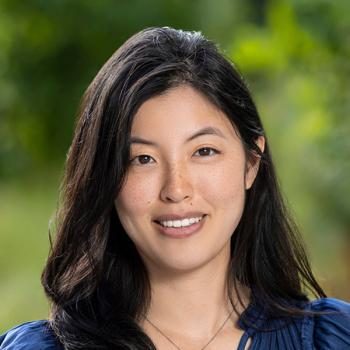
Adela Wu
Clinical Assistant Professor, Neurosurgery
Dr. Adela Wu is a Clinical Assistant Professor of Neurosurgery at Santa Clara Valley Medical Center and Stanford University.
Dr. Wu's primary clinical and research objective is to provide and broadly improve care and quality of life for neurosurgical patients. She has extensive background in health services and mixed methods research, supported by a NIH-Agency for Healthcare Research and Quality F32 postdoctoral fellowship during residency. Her current research aims include integrating palliative care practices and communication training in surgical subspecialties and surgical education, investigating quality-of-life metrics and patient outcomes, and identifying and mitigating disparities in treatment patterns for surgical pathologies and utilization of palliative care resources. Her collaborators hail from institutions across the country, including VA Palo Alto and University of Michigan. Dr. Wu has authored 50 peer-reviewed research publications and delivered numerous regional and national presentations.
Also a strong proponent of effective science communication and the medical humanities, Dr. Wu has written and contributed to numerous publications, such as Stanford Medicine Magazine, NPR, and ABC7 News. She has served as a medical consultant for Grey's Anatomy. At Stanford, she is a member of Medicine and the Muse, the umbrella program for medical humanities endeavors on the medical campus, and Pegasus Physician Writers.
Adela is interested in learning how to develop interdisciplinary courses and workshops at the intersection of serious illness and storytelling, both written and visual. One such course, "Graphic Medicine", would involve art and creative nonfiction in reflections of patient and caregiver experiences.
This fellowship is administered by the Stanford Arts Institute (SAI) with support from the Office of the Vice President for the Arts.

Contact:
Stanford Arts Institute
artsinstitute@stanford.edu