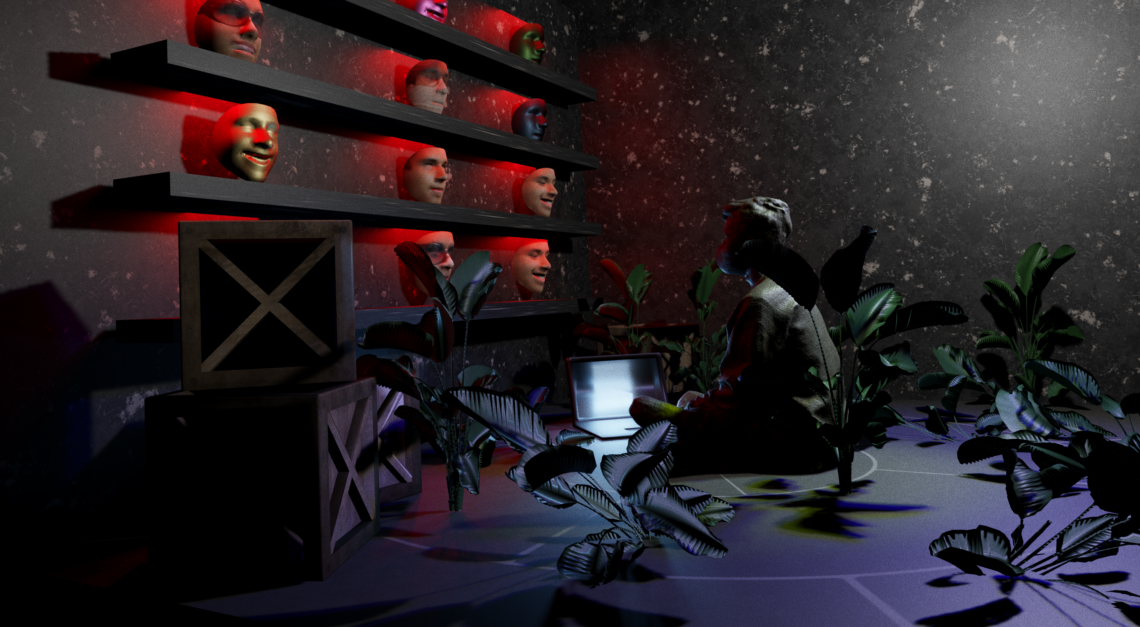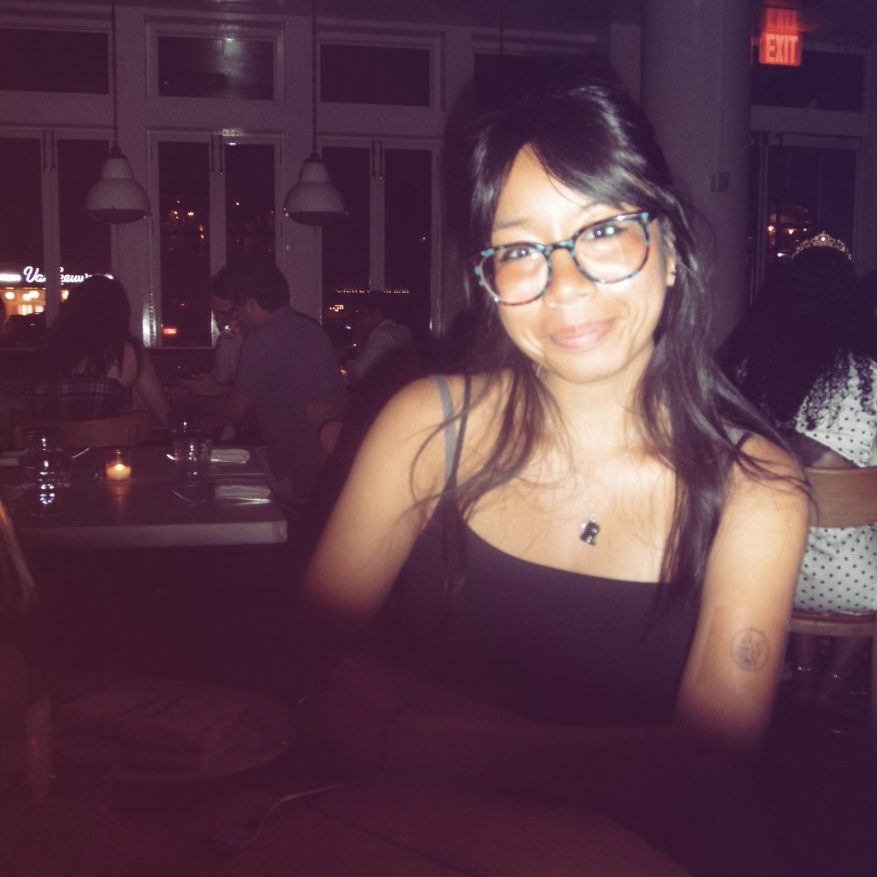
AMANDA ALTAREJOS | Baby Chew the Bible
BA Comparative Literature
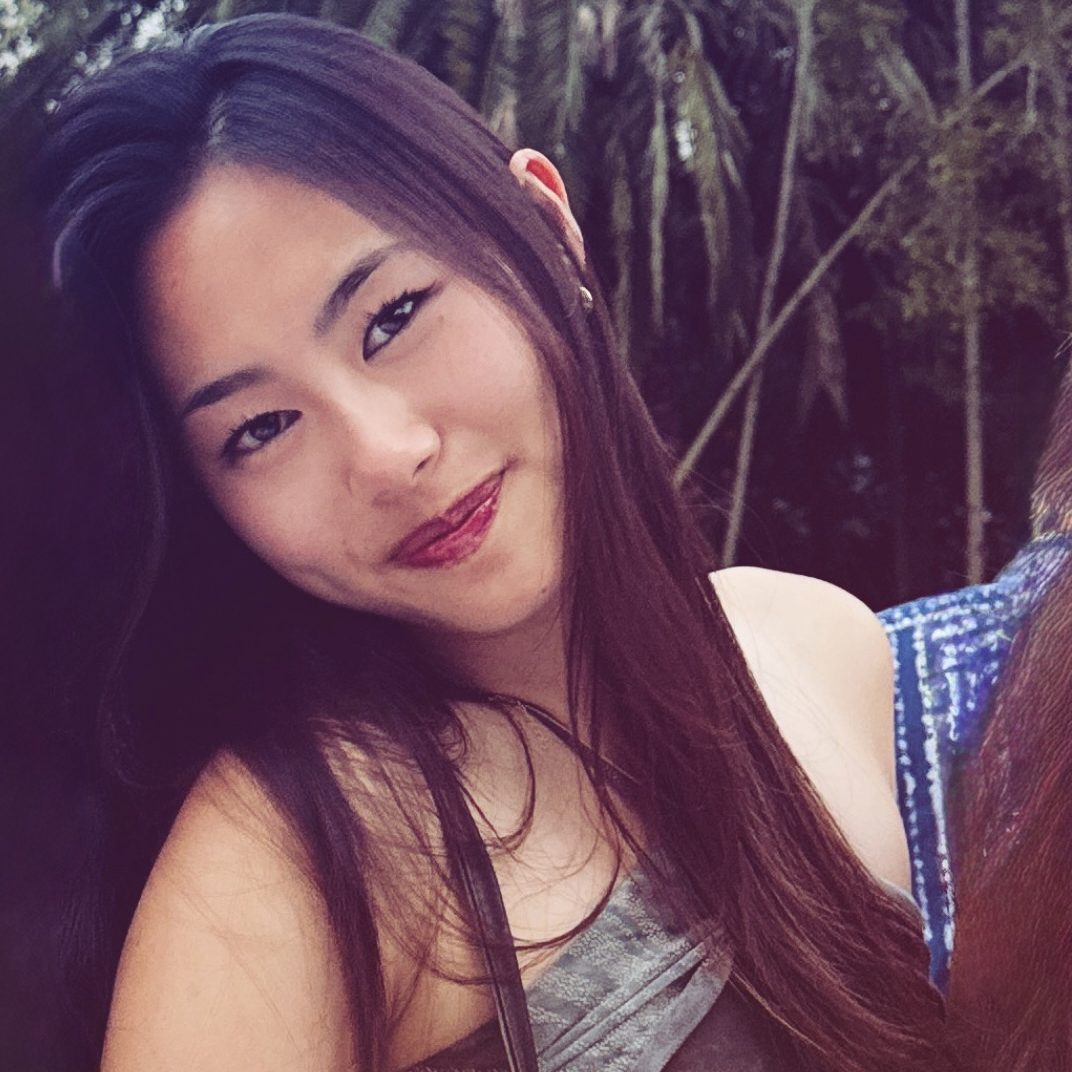
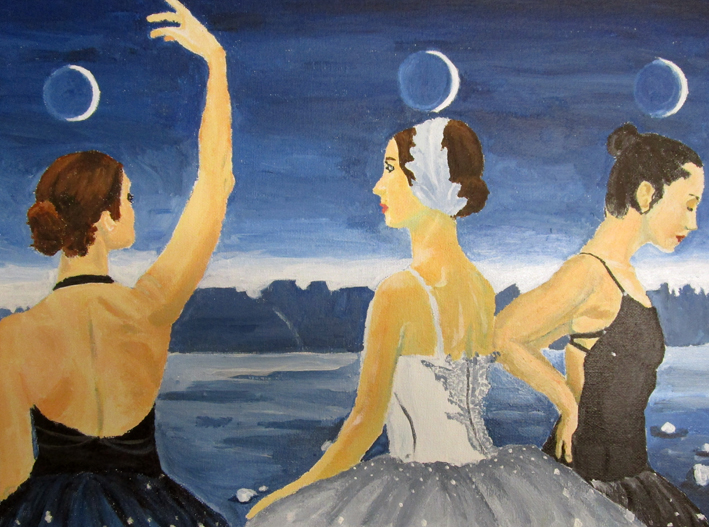
CHRISTINA BA | In Motion, In Stillness
BS Computer Science
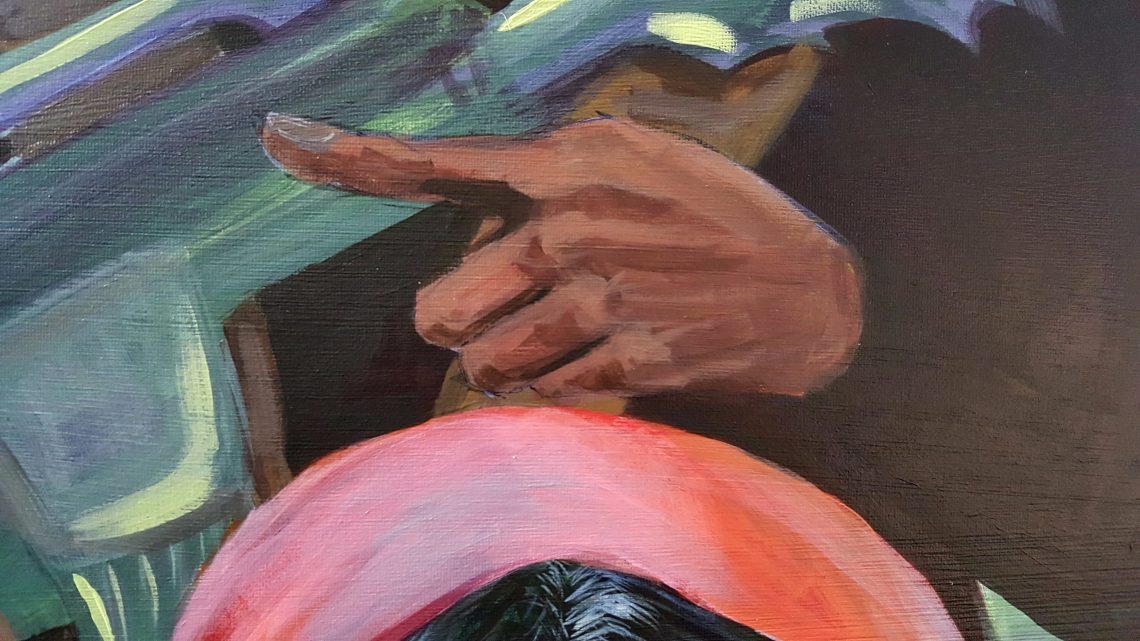
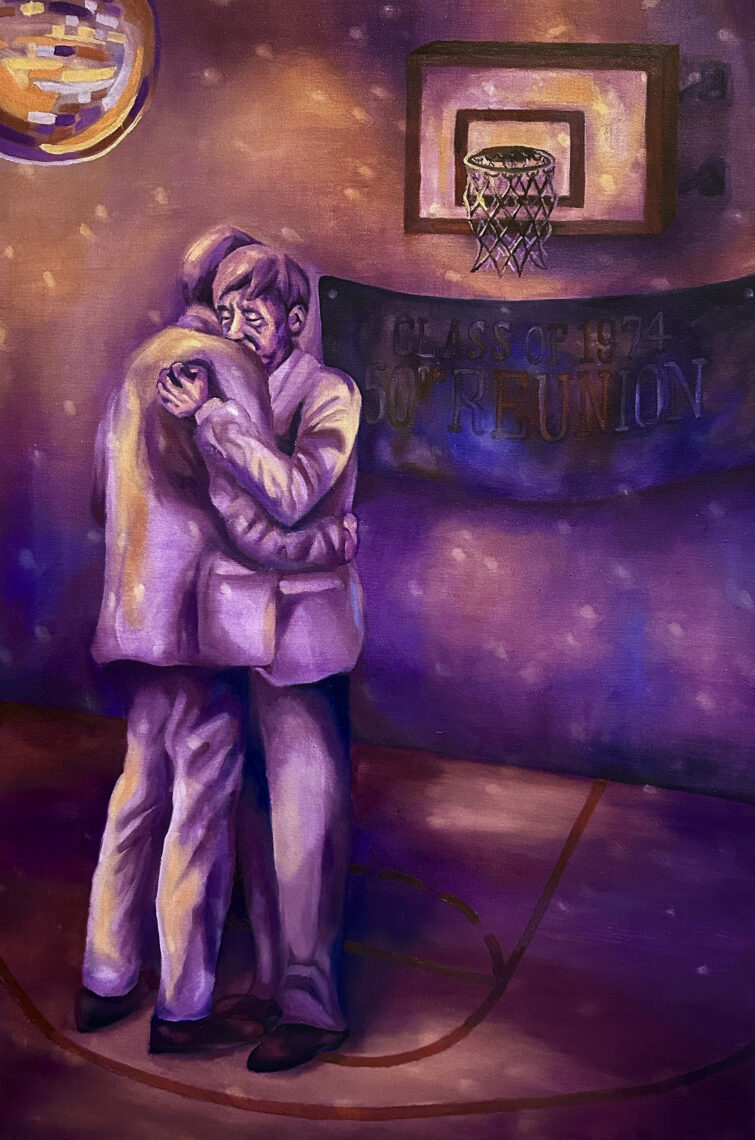
Before the photo, a painting was the only way to stop time. For millennia, artists relied on brushes and pigment to capture fleeting moments and hold life still on canvas. But what if we reimagined a painting not as a static record, but as a living form that breathes, moves, and pauses akin to the real world it emulates?
A painting can capture nearly anything in the realm of sight – intricate light patterns, textures so tangible you could feel them, vivid colors, compositions, expressions, scenes. Yet no matter how dynamic the subject, the medium remains inherently static, a still slice of life suspended on canvas. In Motion, In Stillness challenges that fundamental limitation. Through an augmented-reality layer, these oil paintings extend beyond their physical surfaces, with subtle stop-motion animations overlaying the canvas, transforming depicted movement into actual motion. By blending traditional mediums with digital interactivity, my works bridge the space between still image and lived experience, exploring the possibility of that in-between when a painting finally catches up to the subject it depicts.
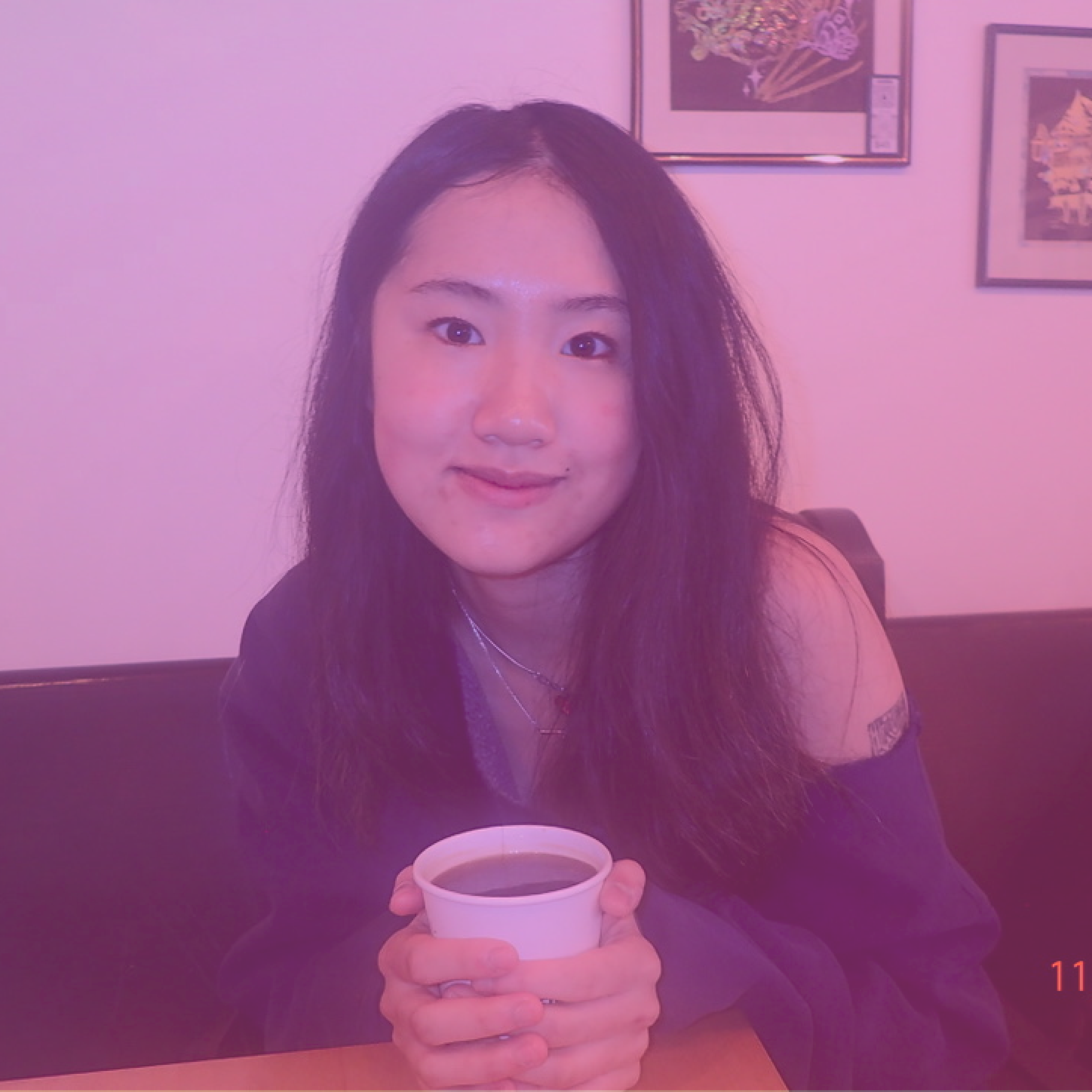
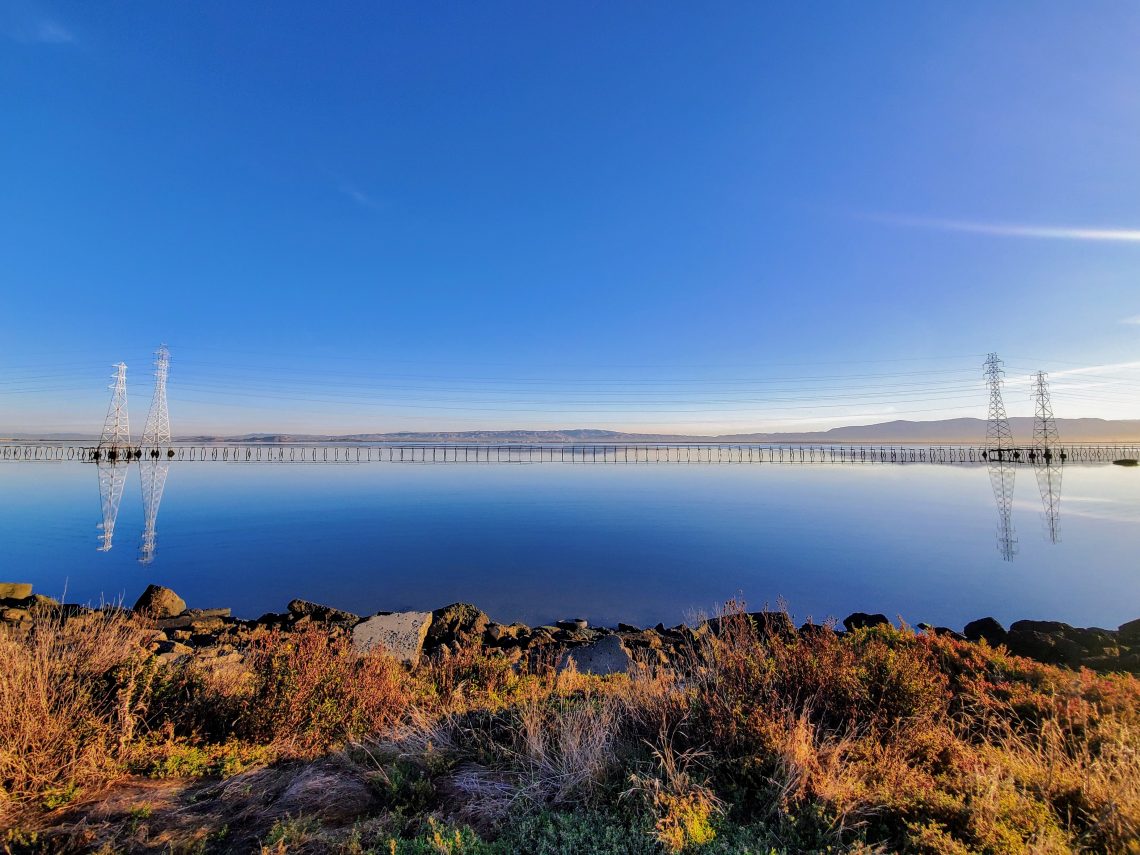
ALISON CAO| 空
BS Design
When you look at a transparent object, you see two things at the same time—
- The object.
- The world through the object, warped and transformed.
In my honors thesis 空, I will create three different pieces with three transparent mediums—
- Ocean to me, a mask made of ice and an accompanying performance piece.
- Daphne, a dress of leaves 3-D printed from transparent resin.
- Glass book, a poetry book with glass pages.
Each of these three projects have their own way of interfacing with the world. Their bodies are secretive because they are completely see through, but to see the world through them is to see what worlds they contain within themselves. Together, they use transparency as a language to ask how memories shift, manifest, and resurface through the bodies they belong to.
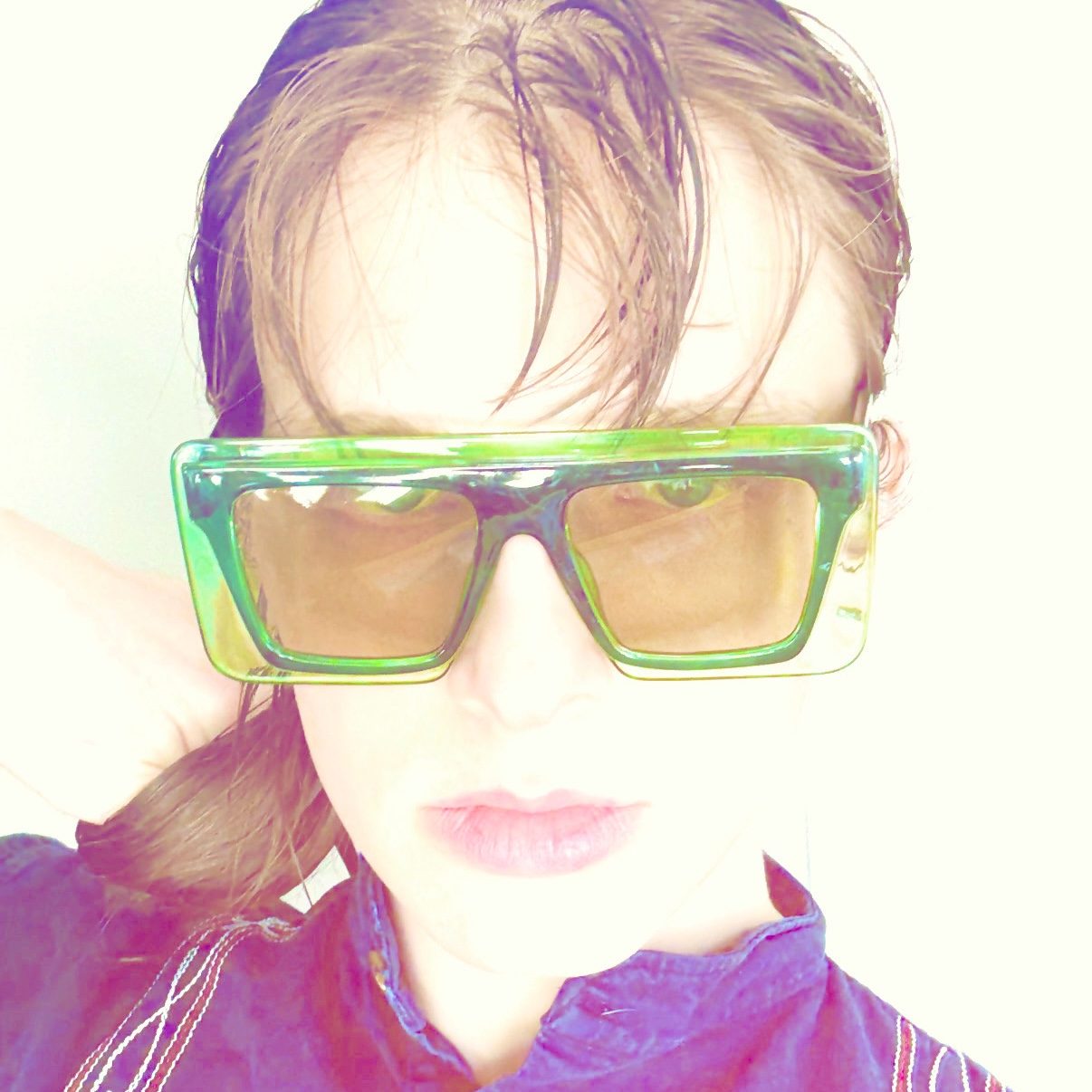
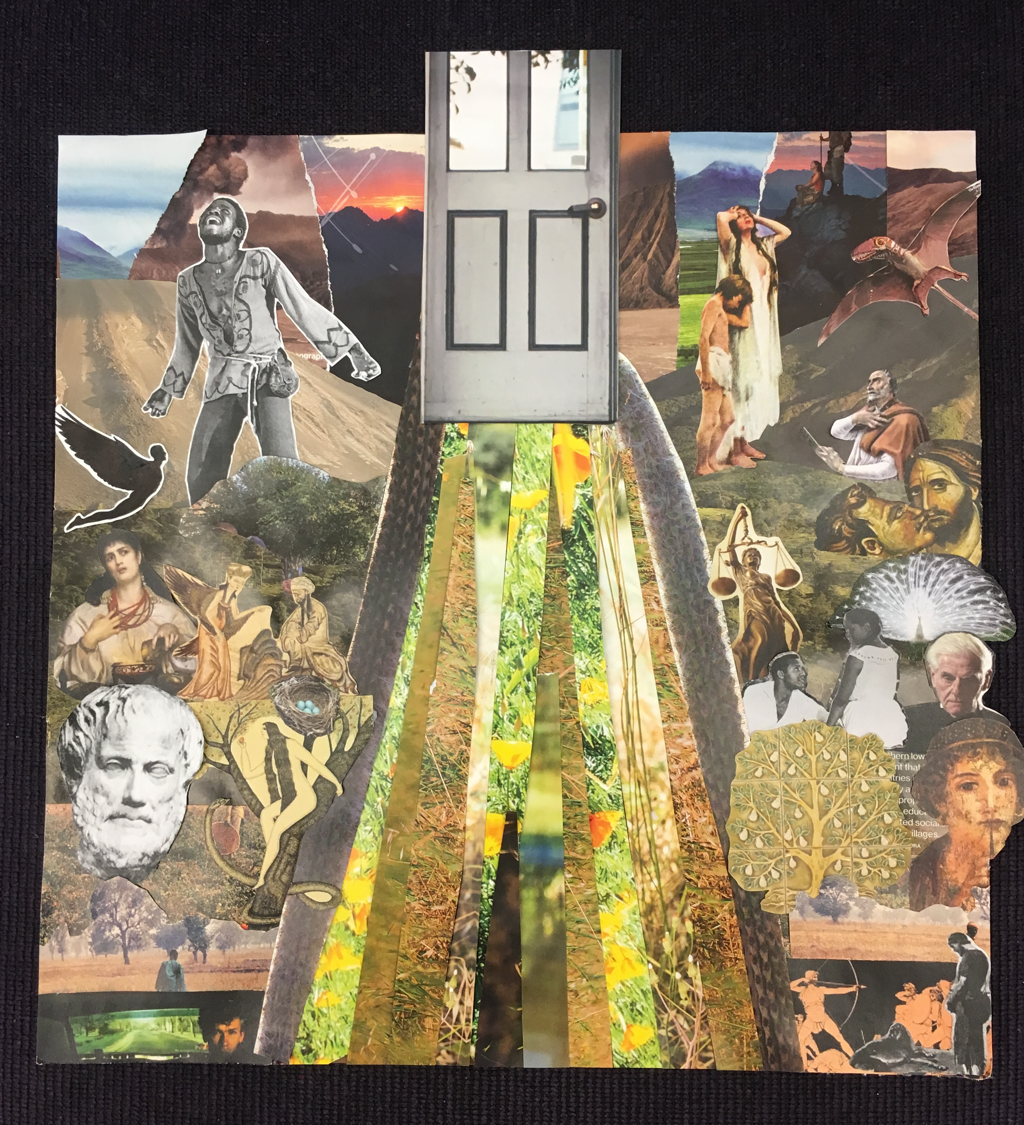
AIDAN DELGASS | Watchers: Sirin and Alkonost
BS Geophysics & BA in Slavic Languages and Literatures
Watchers: Sirin and Alkonost is a sculptural, multimedia installation representing an apocalypse held in suspense. Drawing upon post-Cold-War anxieties and folkloric motifs, Watchers critiques both American and Russian imperialism by problematizing them as land empires who place apocalyptic stakes on the expansion of their frontiers, becoming both each other's adversaries and parallels. The symbols of Sirin and Alkonost, sister-birds who sing songs of joy and sorrow, signify the two sides of national destiny as imagined by the nationalist agitators of their respective countries. Through the built environment of the installation, which includes audio-visual media and distorted miniatures and dioramas, Watchers will explore how projecting a nation’s future onto the frontier transforms the landscape into a setting for apocalyptic fantasies.
As an American artist of Russian and Ukrainian Jewish heritage, I work to interrogate the chasm between the people and the state, and the massive tragedies of the past century that have placed me in diaspora. Watchers asks — when two of the most powerful political entities in the world are locked in “mutually assured observation,” what is destroyed in the process?
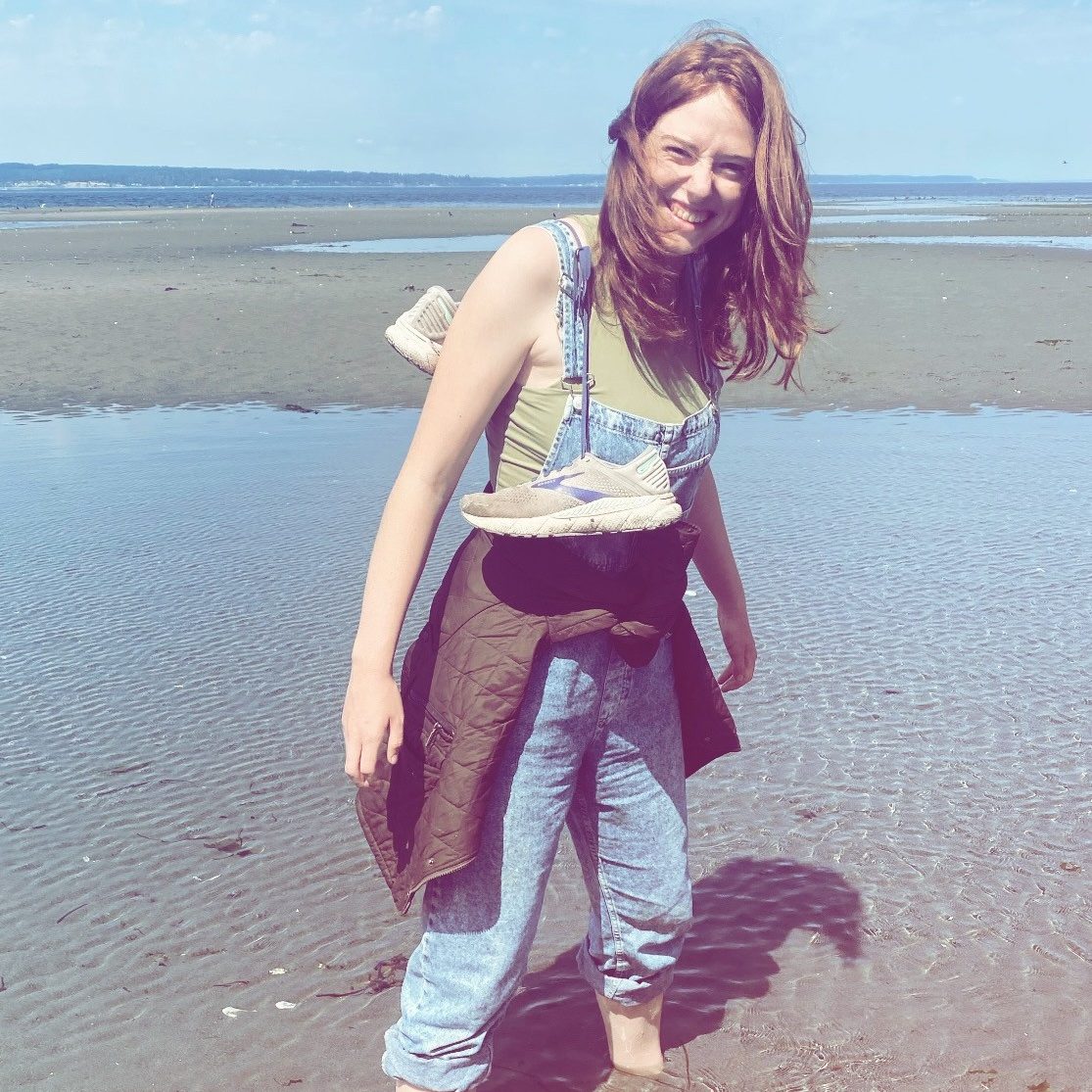
MEREDITH GAVIN | Bloom
BS Biology
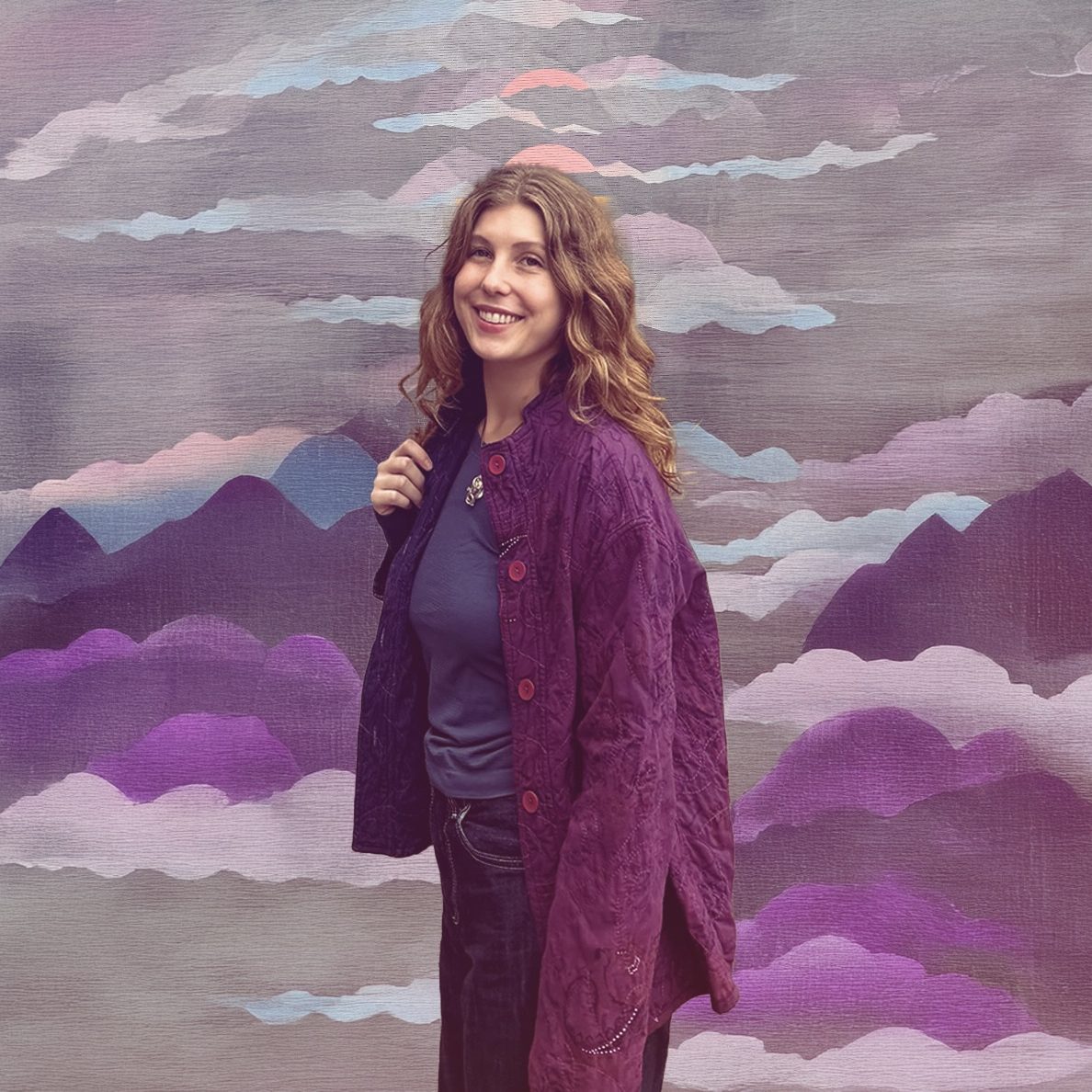
DAKOTA GELMAN | Coordinates: Performance Mapping Poems
BA Comparative Literature
We forage. We communicate. We are ephemeral.
Honeybees return to the hive with a dance that draws a miniature map of their environment.
Coordinates seeks to anthropomorphize these movements through a series of choreographies and poems that live in constant dialogue with each other.
These small creatures continue to return as a metaphor in my writing. They appear as the women around me who work hard. Born from my cousin who is a cystic fibrosis warrior, they remind me of our delicate interconnectedness and gratitude for my breath.
In other words: we all move to survive. How can I help transform work into wild joy?
In conversing with my past, I am searching for answers about my present nature.
These sporadic performances, workshops, and words will culminate in collection of points on a multimedia map that shows me how to create a newfound sense of community.
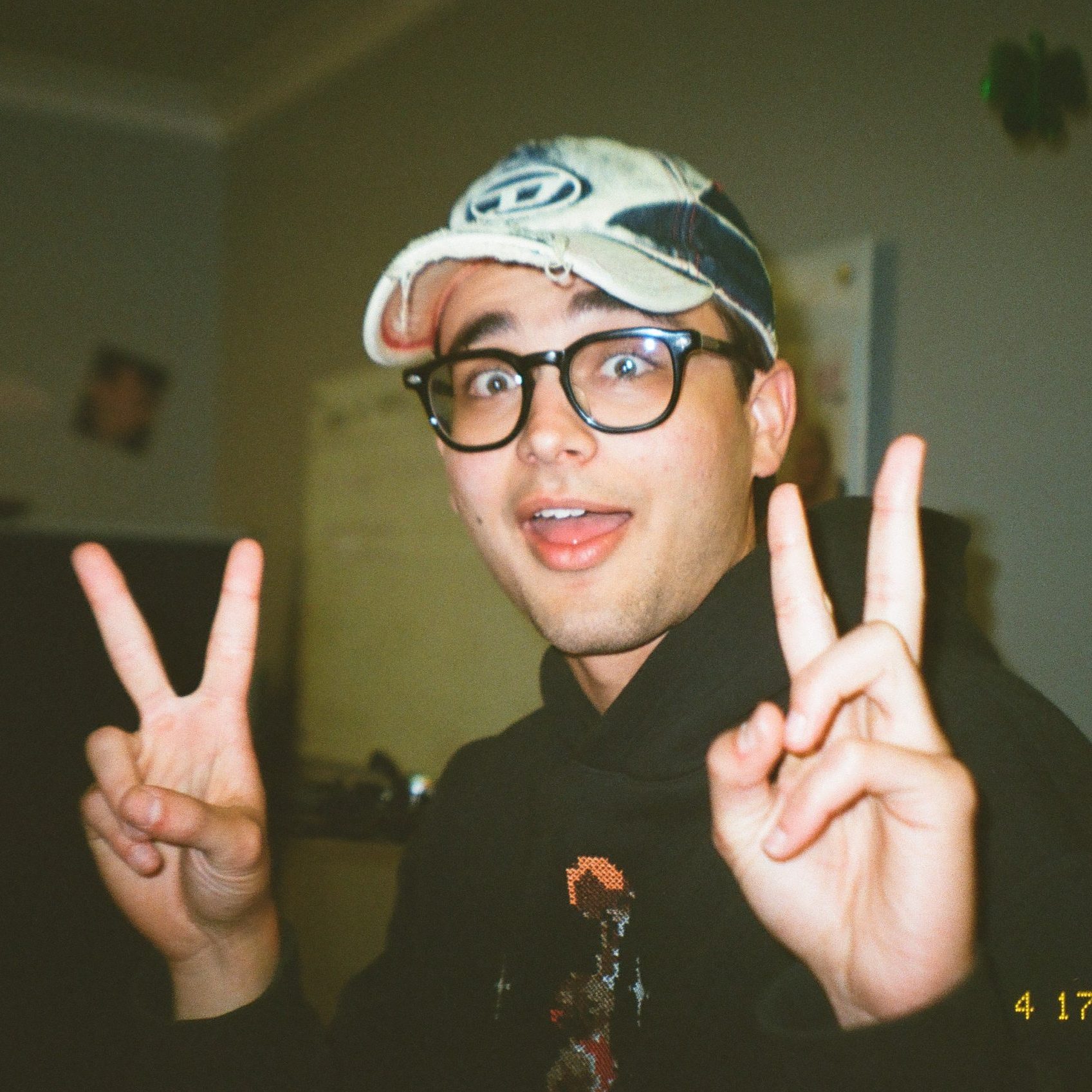
KOSTADIN HADZHIIVANOV | Imaginary Friends
BS Design
I had imaginary friends when I was young, and I still do…the only difference is that now, they feel more real than ever.
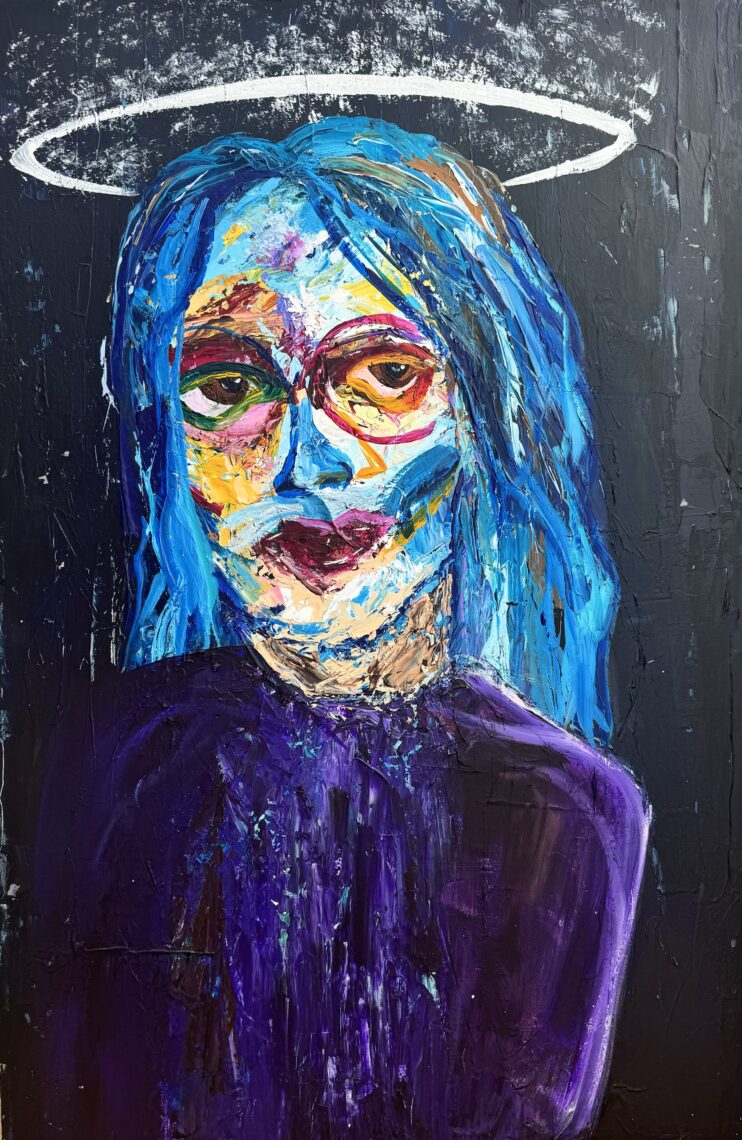
Imaginary Friends is a multidisciplinary exploration of the quiet refusal to grow up and the courage to preserve childlike wonder in a world that often forgets it. The series unfolds through the practice of automatic painting, a process rooted in intuition, where I begin with no plan and allow the work to lead me. Forms emerge revealing narratives and emotions I didn’t know I was holding, materializing as characters—my imaginary friends.
Each work is a search for the child I never stopped being, a reminder of the part of us that still believes, still trusts, still dreams without restraint. Through Imaginary Friends, I chase that wonder, the urge to draw on the living room wall, to see beauty in chaos, to follow curiosity wherever it wanders. These works are not just images but invitations to return to that unguarded state of imagination, to meet the innocent curious selves as children and to remember that growing up doesn’t have to mean letting go.

AMANDA KAY | Love Poems in the Wasteland
BS Computer Science
Love Poems in the Wasteland is a collection of poetry and prose that scavenges for tenderness in the wreckage of ordinary life. It moves through gas station parking lots, empty vending machines, crumpled bills, and pockets full of loose change, tracing the ways love endures in a world running on fumes. The work prioritizes the fragmented, the discarded, and the obsolete, treating these remnants not as symbols of loss but as sites of quiet devotion and survival. The collection holds close the small, disposable things and asks what they remember about us—what they have witnessed, absorbed, and carried forward. Like shards of glass caught in empty alleyways and laundromats, Love Poems in the Wasteland becomes a love letter to what refuses to disappear, to what lingers after use, abandonment, or neglect. Beyond the endless expanse of rusted cans and exhausted systems, the work insists on remembrance and the insistence on the act of feeling: something that glimmers in the dirt, stubborn and radiant, long after everything else has left.
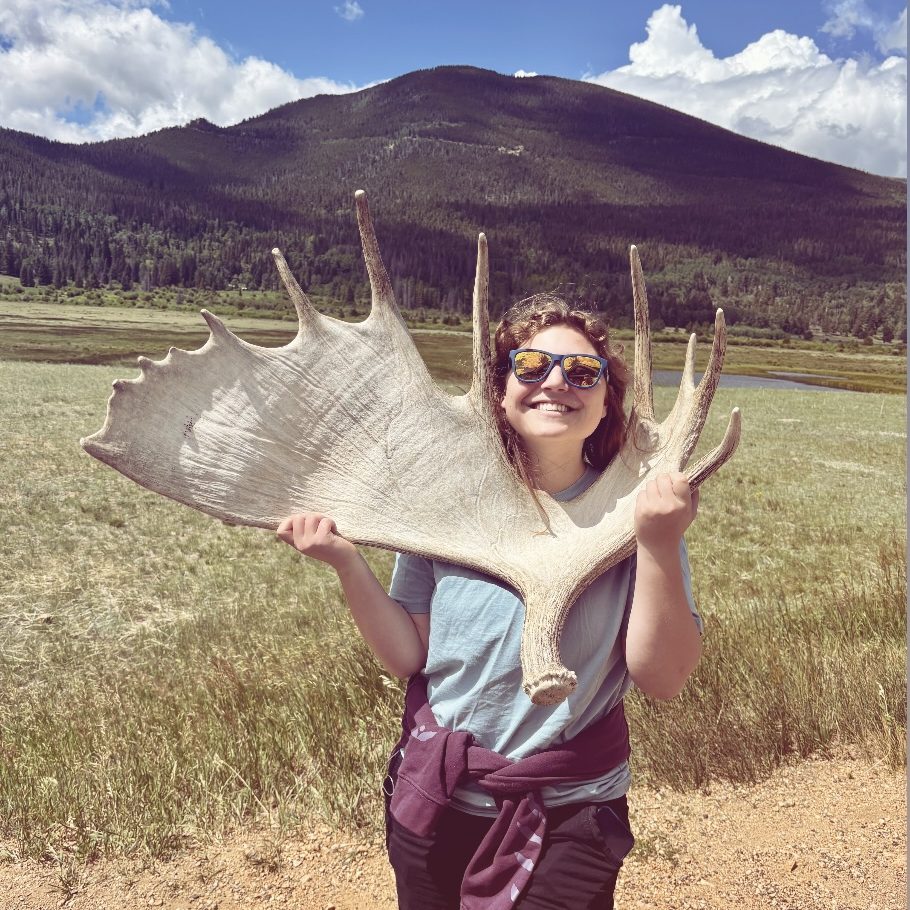
JAMIE KURTZIG | Vital Signs: Real-Time Biosensing Meets Film
BS Bioengineering
How can we harness data and the human body to make film more immersive? My short film uses biometric data to break down the barrier between human performance and physiology. As the actor moves through scenes, their biometric data will shape the film’s sonic and visual language. A racing pulse quickens the score. Rising body temperatures bring out warmer colors. Muscle tension deepens the shadows. The film itself will breathe with the actor. This project links internal physiology and external expression, turning the body into both subject and storyteller. I believe that artistic media is evolving towards full immersion in another person’s lived experience. Throughout time, media has become increasingly immersive, from paintings and sculptures, to novels and movies, to videogames and virtual reality. The next step is physically feeling what another person feels. Through this project, I hope to push the boundaries of storytelling immersion and invite people to listen to their bodies.
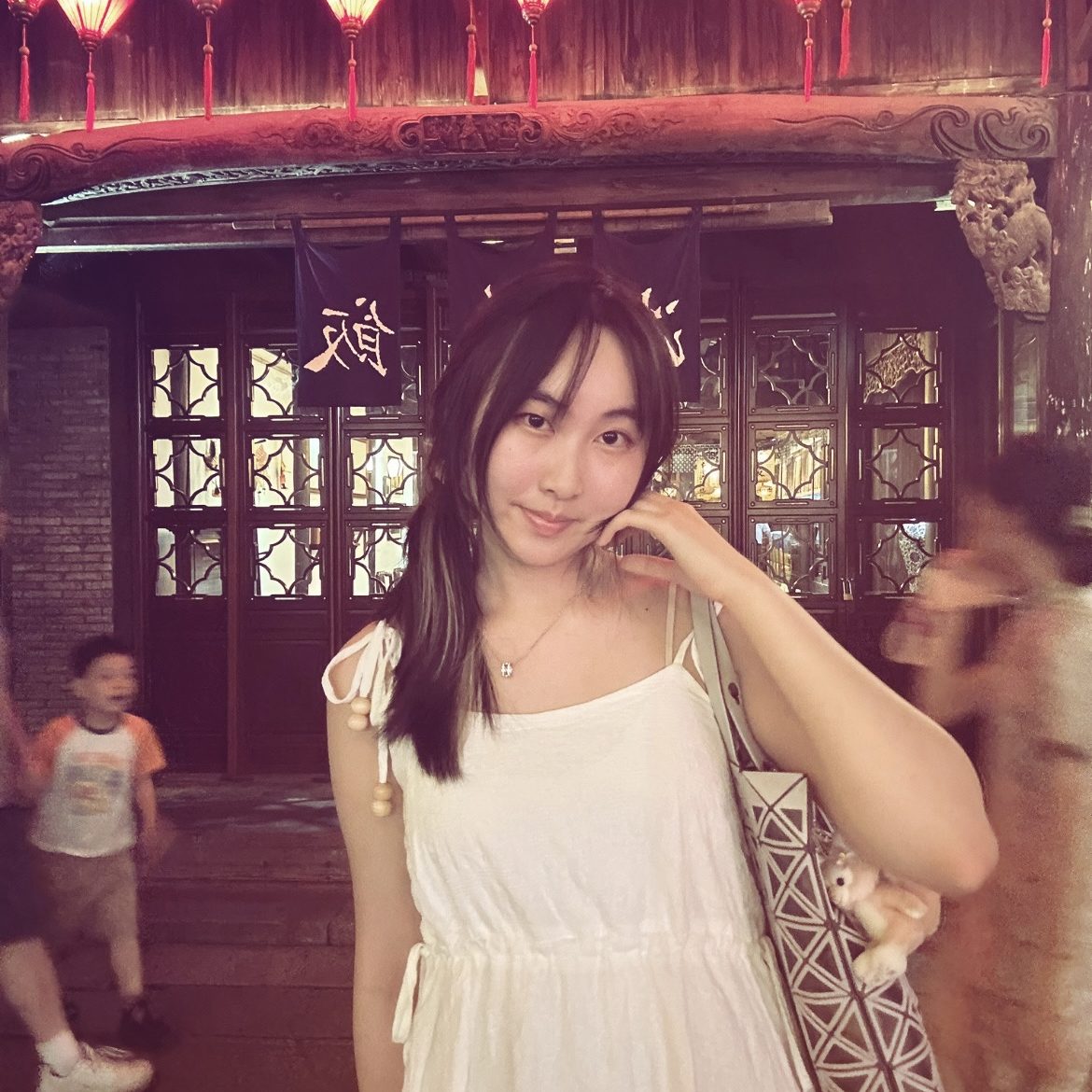
KRISTINE MA | SHI: 时/世/诗
BS Symbolic Systems
In its romanized form, shi. This could mean time, the world, poetry: 时, 世, 诗. Although these characters are of varying tones unique to the Chinese language, so much is captured in the ambiguity of the romanized three letters.
SHI: 时/世/诗 is a collection of poetry that hopes to bridge the gaps between languages. Through the individual poems, the collection explores dimensions of cultural identity, time, memory, as well as language itself, blending the study of East Asian languages, the psychology of memory, and critical study of literature, with creative writing at its center.
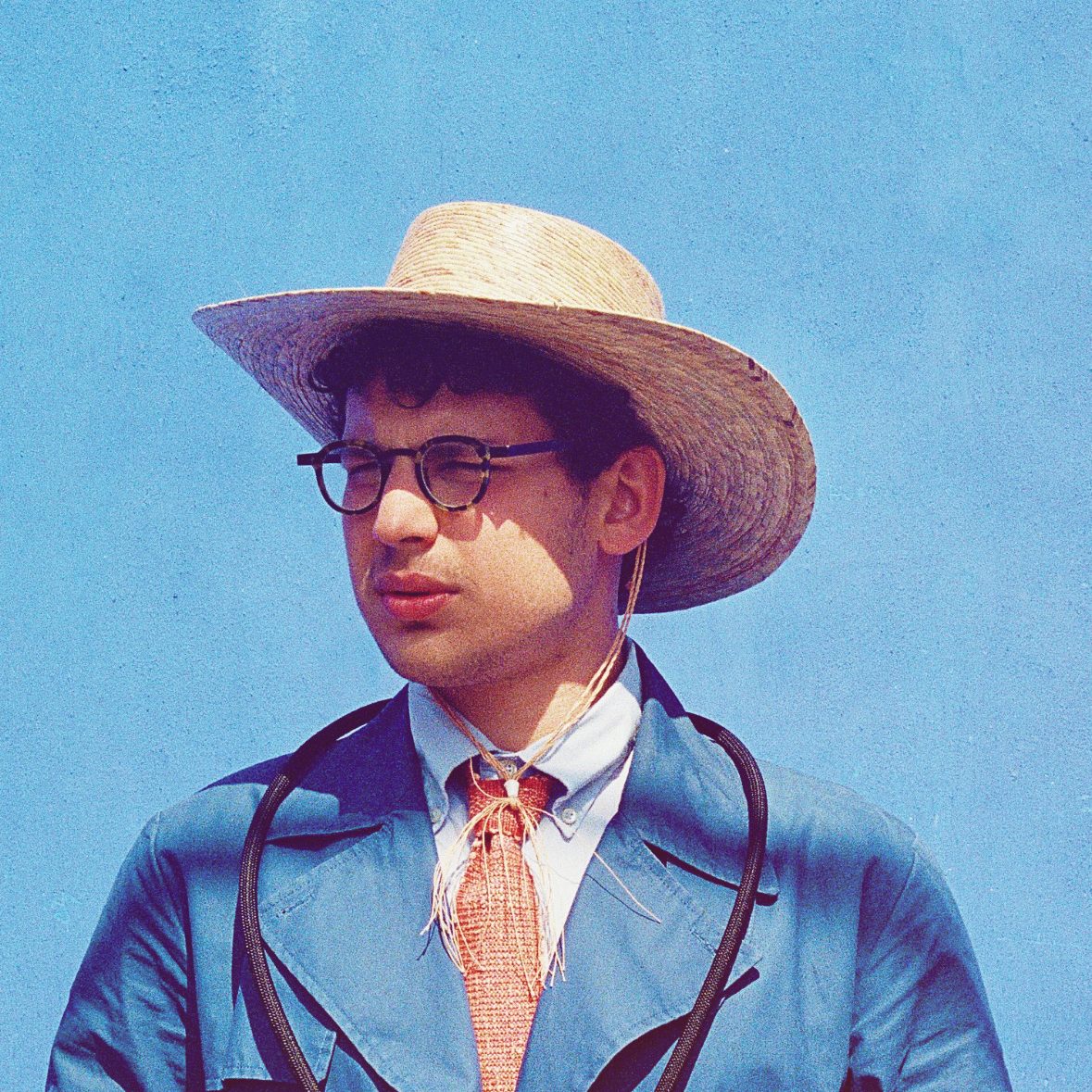
SAMUEL MINEV BENZECRY | A river of red mud: an exploration of BR-319, nation-building, and infrastructure in Amazonia
BAS Earth Systems
The Amazon region represents to the Western World a limit of expansion, both physical and epistemic. In the past 200 years, the land and its people were subjected to forces of a changing world, crushing entire ways of being and ways of knowing. BR-319, an unpaved road built by the military in the 1970s, is the only land connection between Manaus and Porto Velho, and by consequence, the rest of Brazil. This road, soon to be repaved, presents a case of a world nearing its end, or arguably, its rebirth. While this socio-environmental dilemma is of extreme relevance to the region, it offers a portal to explore the fragility of that which seems unknowable and unsurpassable. Film photography, a fragile and sensitive medium, comes as a vessel to bring this fading world to light. The void between a dying world and the world to come into being is what these negatives carry. The road, therefore, is medium and a sign of a world wrestling to be born. The “world” ends every day, but it does not come in equal force to everyone.
Through a series of photographs, I intend to introduce a glimpse of this road that is and that is not. This journey crosses Amazonia not in the search for a formulaic solution of what must be done, but rather as a study of essence, of being and being-not, and of the reflection of the eyes that see devastation and shout progress.
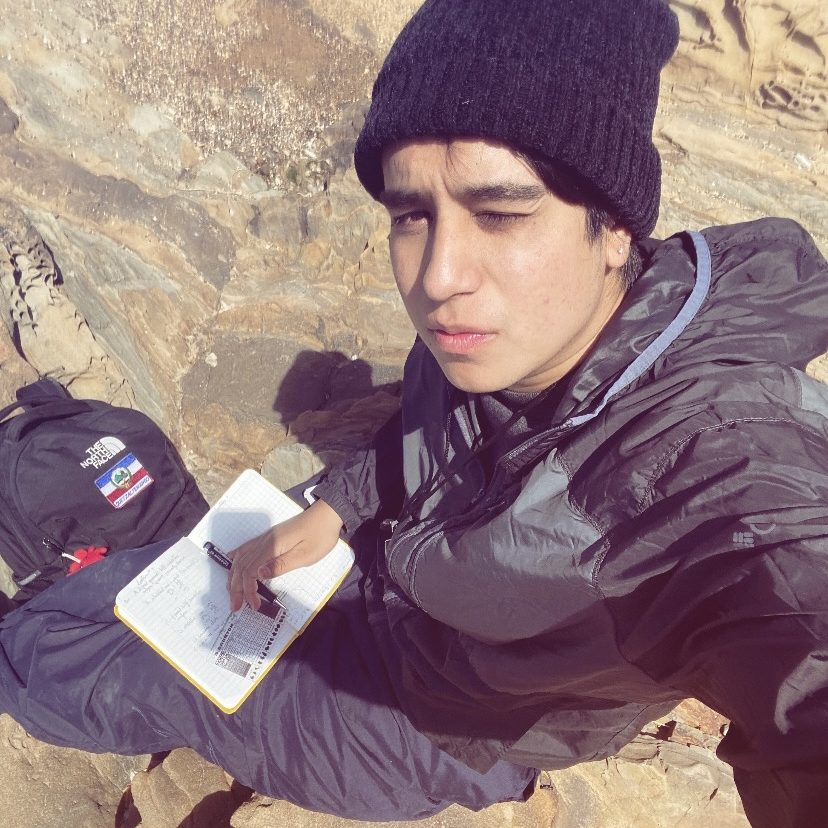
JASON NAVARRO-LOPEZ | Gravity of the Immigrant
BS Geological Sciences
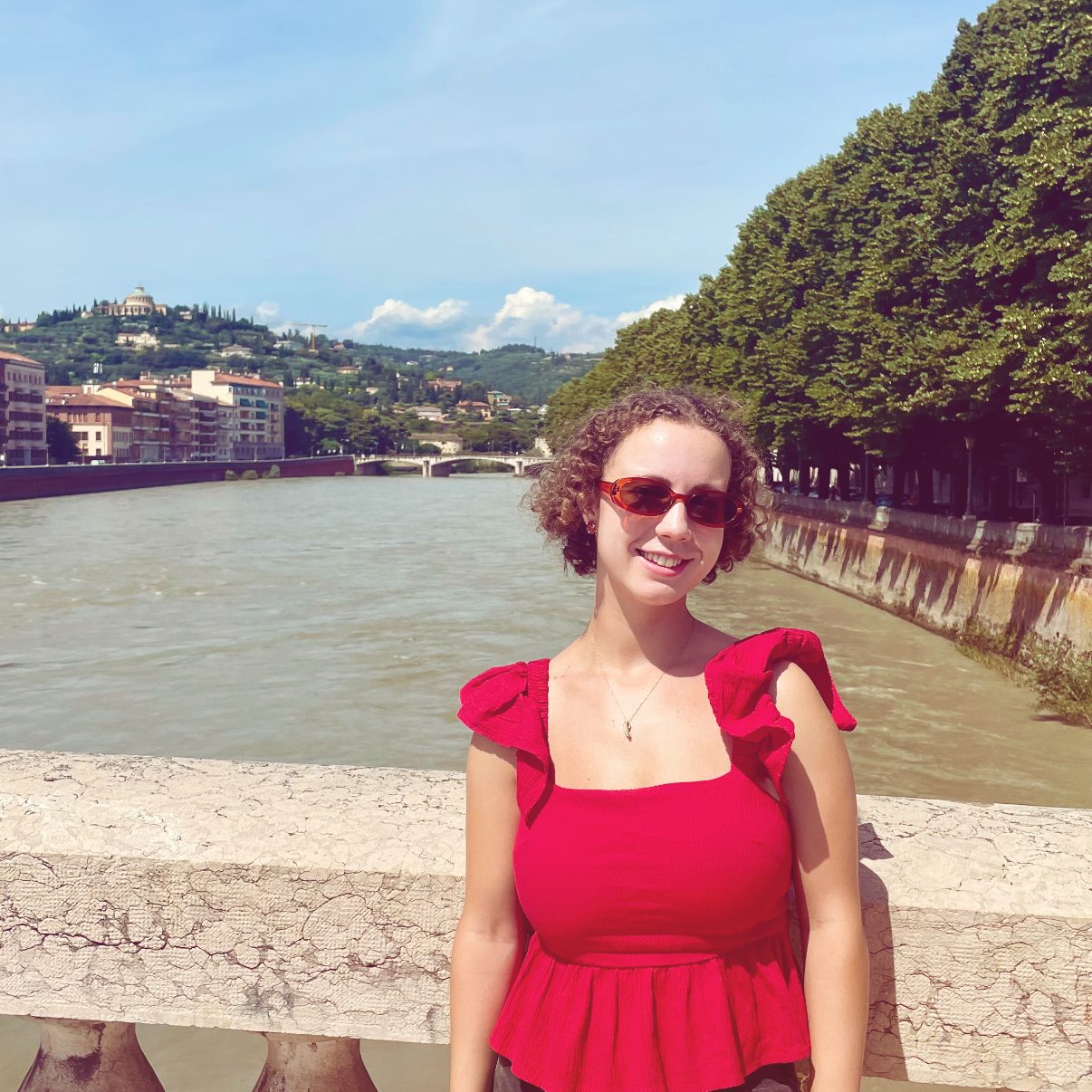
KRISTINE PASHIN | The Shape of Suffering: Votive Intermediaries of Pain
BSH Symbolic Systems
The Shape of Suffering: Votive Intermediaries of Pain begins with a universal truth: all of us experience pain. Is that what makes us human, or what reveals the limits of our humanity? This digital exhibition traces how visual traditions have made suffering visible, from the anatomical to the spiritual, from public spectacle to private testimony. Across its four sections the project examines the construction, codification, and reclamation of Pain As:
Public Display.
Culturally Embedded Practice.
Scientific Object.
Personal Testimony.
While the canon of pain remains largely Eurocentric, cross-cultural and international perspectives reveal how societies differently interpret “feeling.” Pain becomes not only a physiological event but a culturally scripted, socially shared experience. Drawing from art history, neuroscience, and bioethics, my work studies pain as both pathology and expression, something that insists on being seen even when language fails.
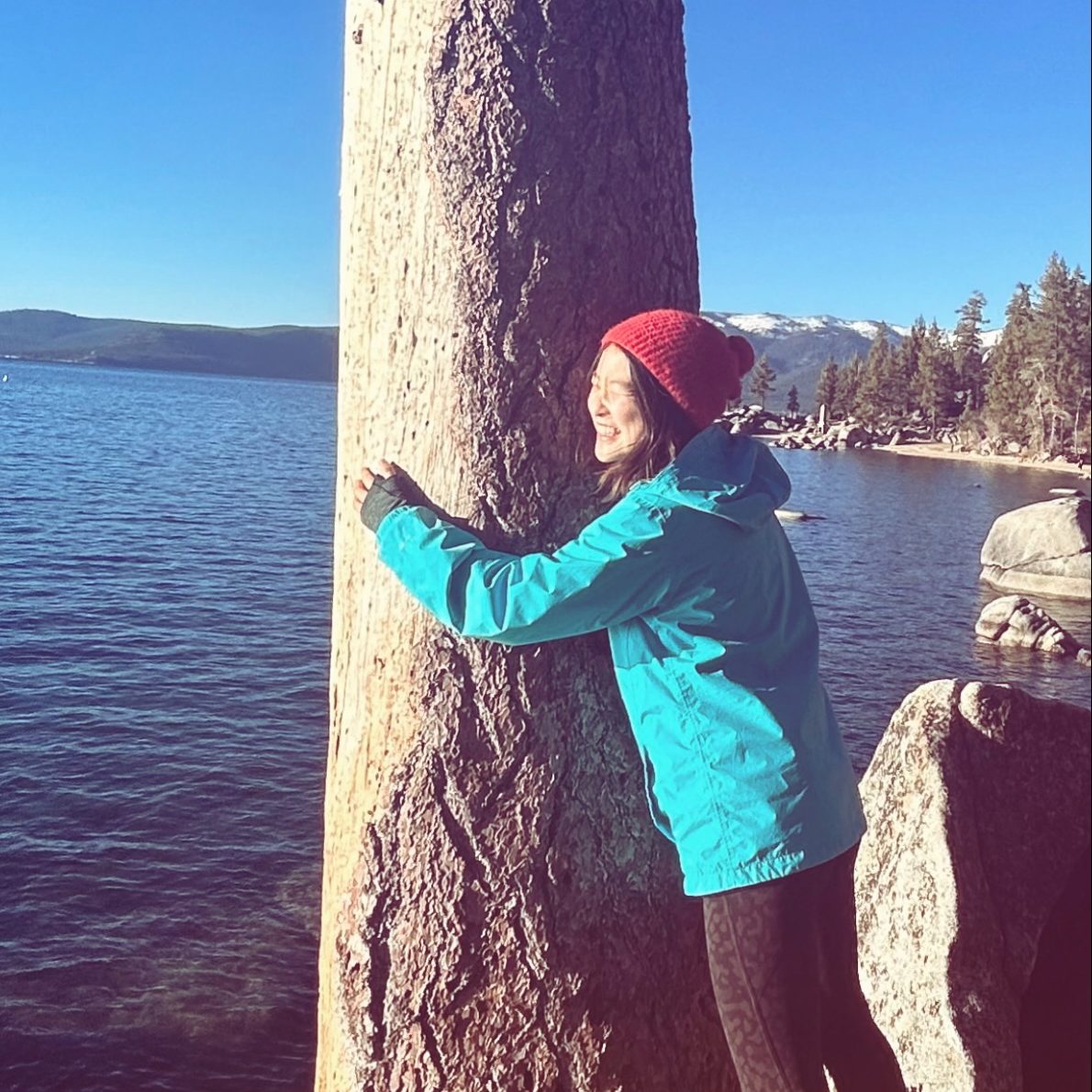
EVA SHEN | In the Event of the End of the World
BS Biology
In the Event of the End of the World was written in bits and pieces while outside or on the move (whether that was while running, through voice memos; or on trains, planes, buses, and boats). Maybe motion in its different forms can be felt in the rhythm of the words.
In our world of environmental and human exploitation, I hope to have written essays like I’m dispersing seeds – concepts for readers to crack open and extract wonder from; concepts that both nudge deeper and expand upward with time. I explore the body as an ecosystem, undone by a series of cumulative harm – and what is my body in the Anthropocene if not a collection of nested ecosystems in lovesick, queer, synaptic, and broken communication – and vice versa? In the end I hope it is apparent that this semi-autobiographical, semi-fictional, semi-fantastical, and semi-coherent book was written from a place of love.
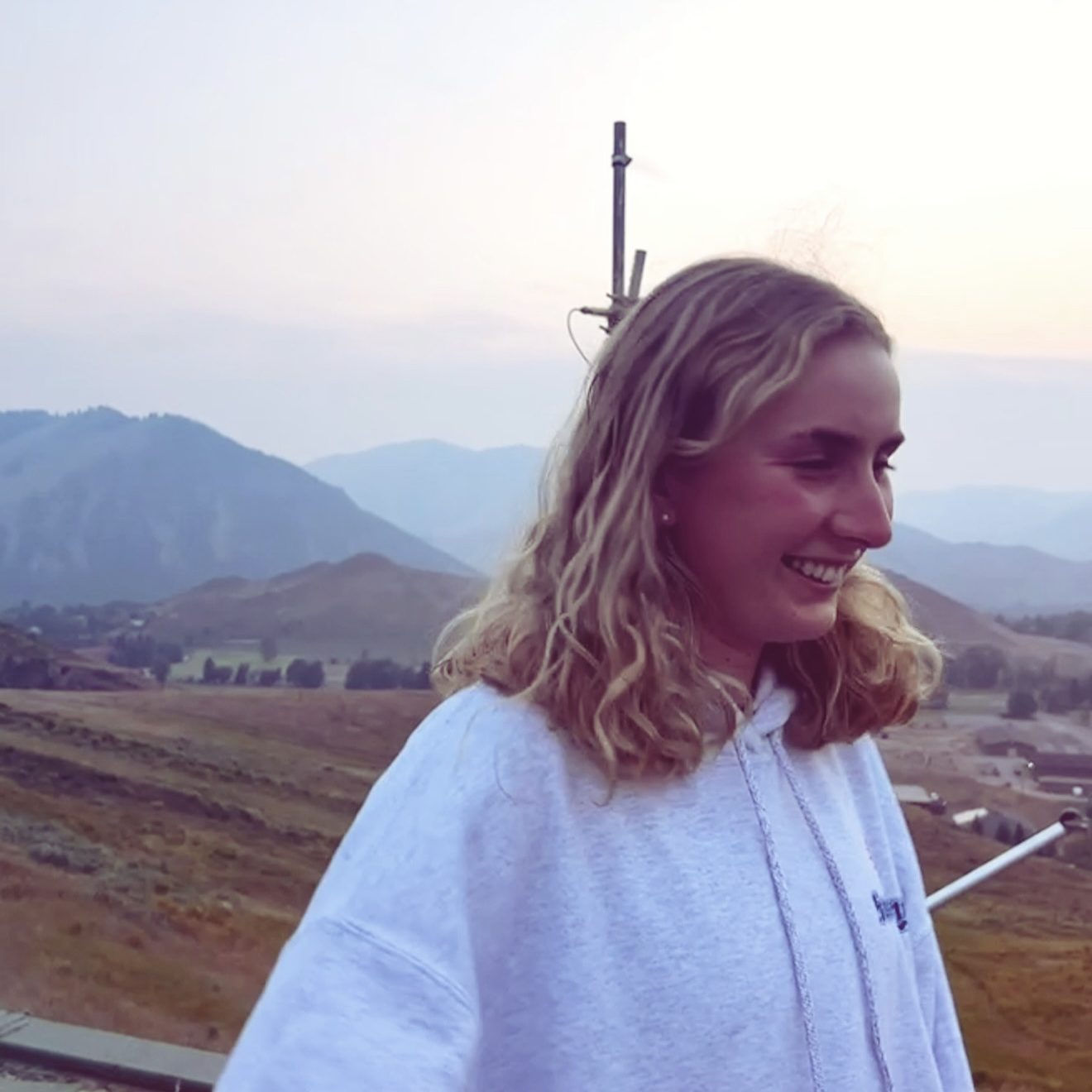
GWEN SPENCER | Everywhen
BA Film & Media Studies
The Singularity refers to a tipping point where technological growth becomes so accelerated, that the very core of being human, including mortality, becomes irreversibly transformed.
My father is a believer in The Singularity, a technological optimist and my closest companion. When he was diagnosed with ALS in 2020, he believed that The Singularity, Brain-Computer-Interfaces, and Large-Language-Models could save him– could curb his own death. As a daughter, I would love nothing more than for him to be healthy again, for him to be able to hug me again. Yet, as a thinker and writer, I have to ask: Should we intervene with death? How would this possibility affect people whose loved ones are already gone? How does grief work to distort beliefs, bend behavior, and deepen love?
In these ways, Everywhen, a feature length screenplay, represents the five-year culmination of personal and philosophical exploration– a story that blurs the line between the technological and the human, asking what remains when our bodies begin to fail us.

TEDDY SUISMAN | The Psychology of Ritual and Pilgrimage
BA Psychology
Ever since I was young, I've found myself drawn to forms of ritual and pilgrimage. From swimming every day in the cold ocean, to wandering alone in the mountains, to filling a blank page at night, through rituals and pilgrimages I've sought personal transformation and connection with forces beyond my conscious mind. In this project, drawing from writers, poets, and psychologists such as David Whyte, Pico Iyer, and Carl Jung, I propose to undertake a series of three such pilgrimages, one for each quarter, in which I will travel outside the bounds of my normal life in search of something sacred. To me, this act of leaving behind one's day-to-day experiences in search of something more is the act of pilgrimage, and the activities one engages in at the destination of the pilgrimage– the sacred place– are the rituals. I seek to understand this mysterious force which has compelled me to perform rituals and pilgrimages throughout my life, as well as to answer the question of what role they play in our modern, increasingly secular lives.
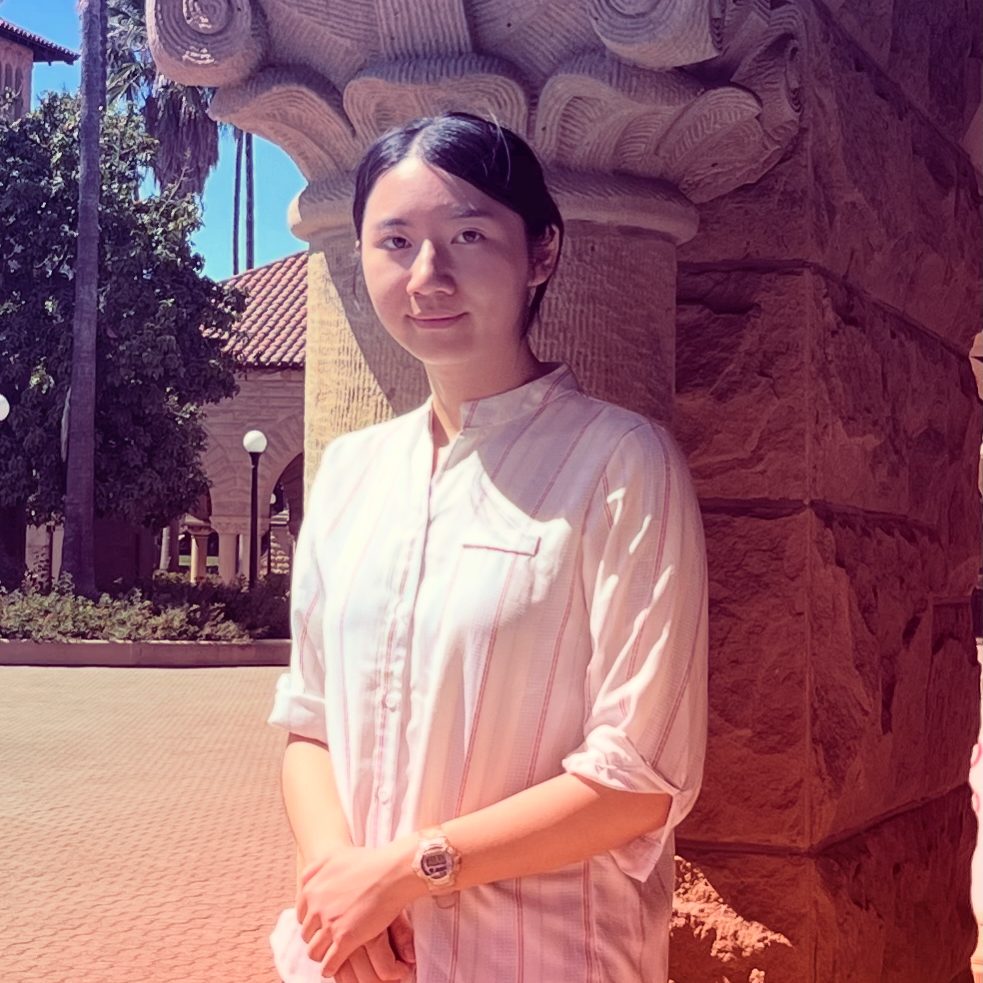
JENNIFER XU | In Patterns on a Screen
BS Biology
Thoughts can be intangible and difficult to frame into language. They can fly through the atmosphere or stray off to the far past. However, the brain from which thoughts arise is a malleable blob that doesn’t weigh much when held in your palms, fatty like any subcutaneous tissue, its color an unremarkable beige, its flavor akin to week-old tofu (if animal brain happens to be part of your dietary culture).
I’d like to reflect upon the process in which thought and cognition arise from the physical brain, which seems as miraculous to me as how poetry arises from 26 letters. In Patterns on a Screen is a series of poems where I attempt to capture anatomical characteristics of the brain, what lies between the material nervous system and abstract thoughts, and how the very real space we possess in our minds ebbs and flows over time. I will employ concepts, theories and metaphors from neurobiology, psychology and human anatomy to put together this work.
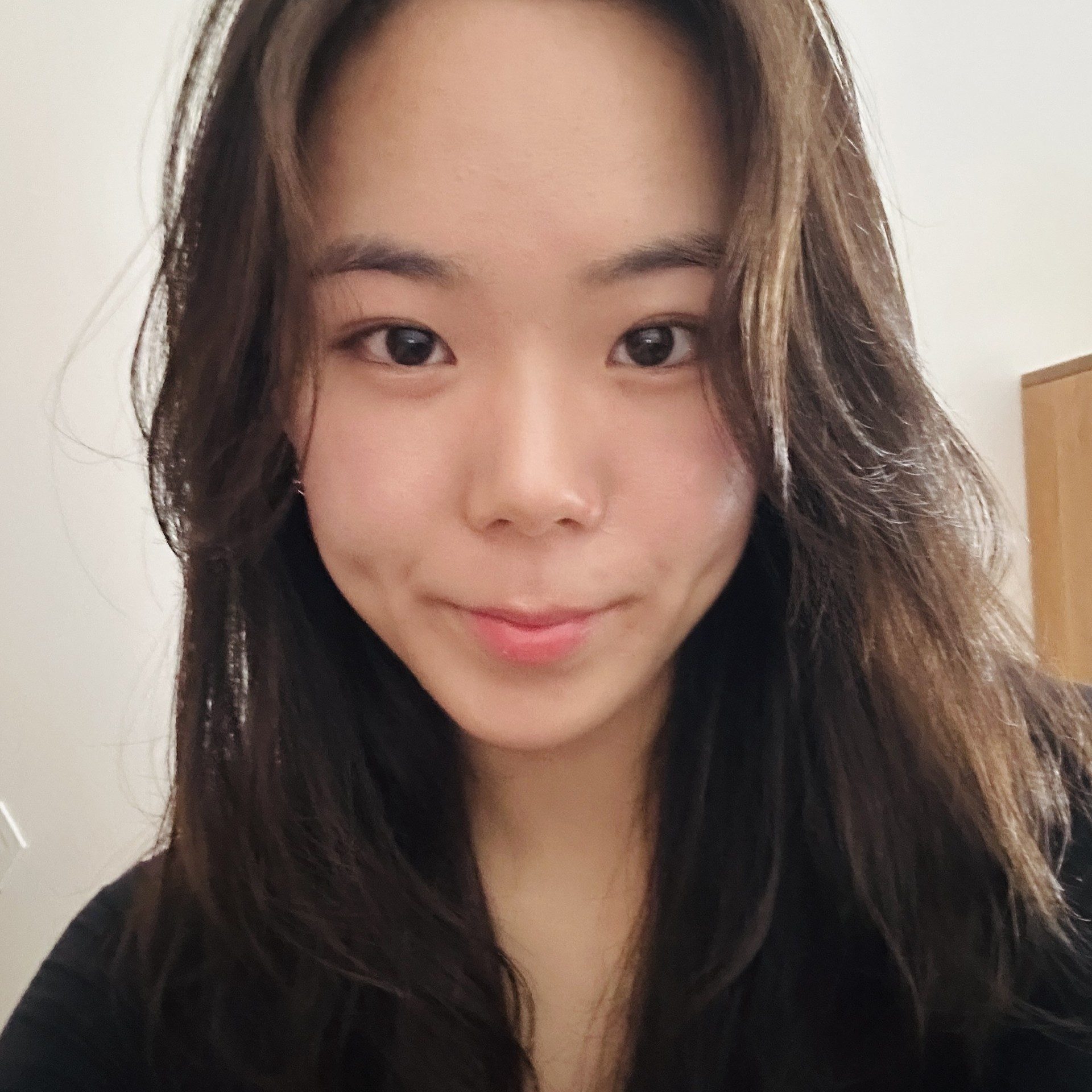
JENNY YOUM | Vessel of Memories
BS Bioengineering, Design & Technology
We discuss memory as if it were a nostalgic possession. My memories, your memories, their loss, my loss. But memory is less a belonging than a mundane act of blurry remembrance. This is a trace of the ephemeral, intended to be understood and known. We place trust in our brain to hold us despite its faltering and put names to its failures (Dementia, aging, confusion). We build walls around those who forget, as if forgetting was a choice.
Through her exhibition Vessel of Memories, Jenny Youm aims to design an environment where remembering and forgetting coexist. Threads connecting images, stories, neurons convey the fragility of memories, illustrating the constant reconstruction and disintegration of the brain rather than a fixed archive. The work doesn’t simulate dementia. It listens to it. It lingers in the small repetitions that shape care, in the quiet gestures of those who stay when recognition fades. This project borrows from neuroscience. However, it is not merely a didactic piece. It aims to ask what remains beyond the scientific explanation—when memory becomes something shared, suspended, and porous.
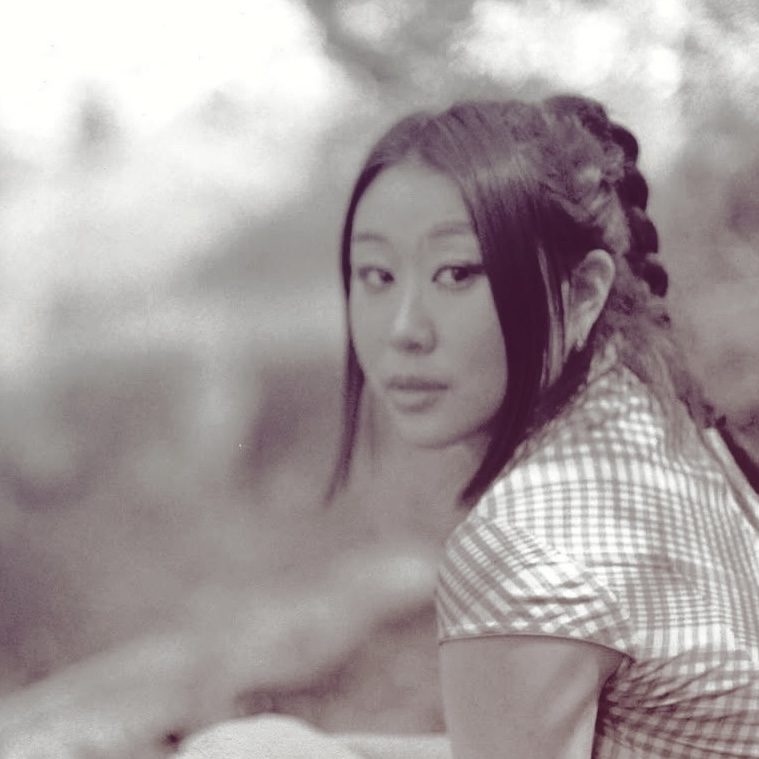
STEPHANIE ZHANG | Emergent Vessels
BS Bio-Architectural Design and Engineering
What does it mean to create with life itself as a medium? To make art that is wholly alive?
These sculptures are experiments in transfiguring life. Each piece is grown from engineered cellular bioinks, tracing the hidden architectures of vascular networks. Modern 3D bioprinting can now print organs for human transplant—but what other forms might emerge when we wield life itself as a medium?
Vascularization exemplifies the universal physical laws that govern life: a microcosm of order arising from chaos. Life is a dissipative structure, a local instantiation of order contributing to global entropy. These vessels are not static; they are processes, emergence made visible, revealing the unsayable aliveness underlying all phenomena.
In these forms, one encounters both intimacy and vastness—a microcosm of what pulses beneath the surface of living systems. They bear witness to the profound beauty and interconnectedness of existence, uncovering the shared logic that animates our universe's most intricate phenomena. They ask: What is the basic unit of aliveness? How does life organize itself? What is left behind—and what is gained—when phenomena shift between mediums?
Emergent Vessels is an invitation: to witness, to inhabit, and to feel the spaces between matter and energy, art and science, system and life.
Inter-Arts Minor Senior Cohort
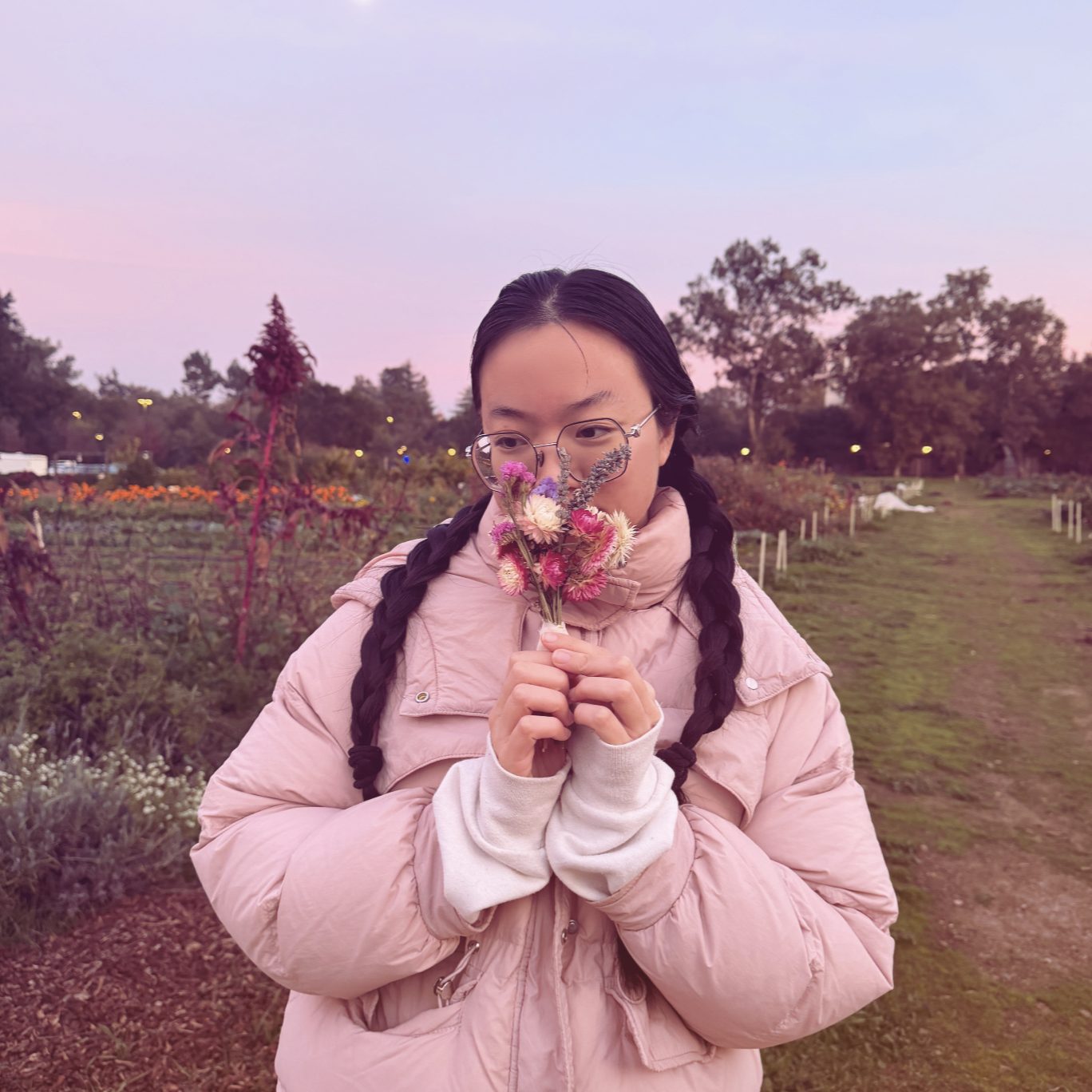
KRYSTAL LI | Archive of Love
BS Symbolic Systems
Someone wrote: "I used to believe growing up that love is something everyone comes across, as I get older I realize there are lots of people who never experience true love. Life isn't fair."
It's one of millions of quiet confessions scattered across the internet, the stuff people only say to strangers at three in the morning. Archive of Love gathers these half-buried moments and pairs real online comments with AI-generated imagery, transforming something fleeting and digital into physical pages. Together, they trace a portrait of modern affection: how it’s expressed, felt, and longed for in online spaces.
What forms do love take for you? What emotions does it carry with it? Care, longing, fear, betrayal, joy, loss? I collect these fragments not just to define love, but to listen to the many ways it tries to speak.
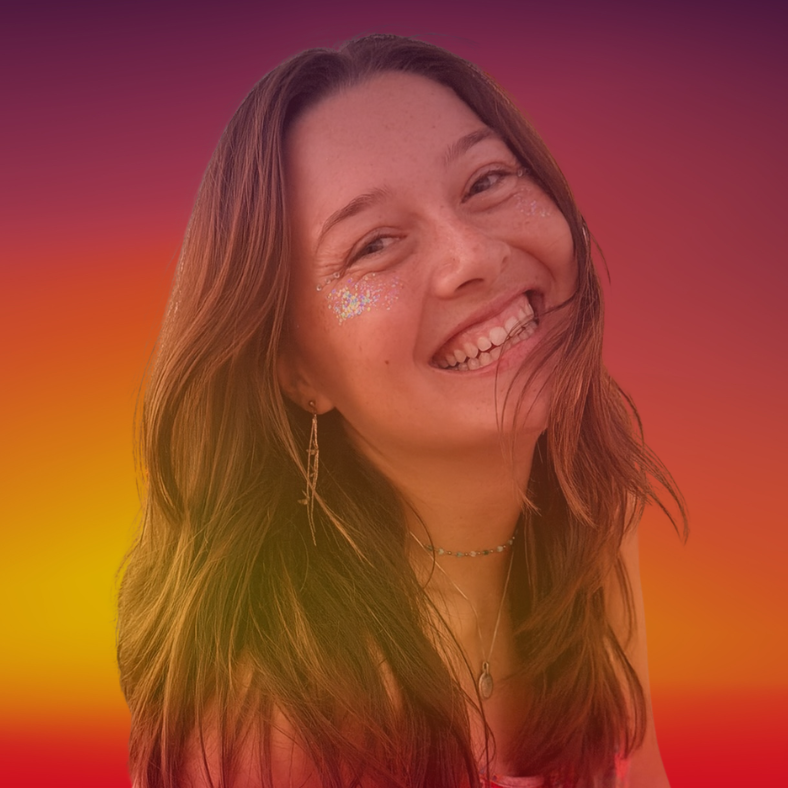
CHERRIAL ODELL | Suicide to Smiles
BA Psychology
Content warning: mention of suicide and mental health themes
According to the World Health Organization, more than 720,000 lives are lost to suicide each year. I was almost one of them. Every day, countless people silently fight for their lives, searching for hope in the midst of despair. Sometimes, all it takes is a single reminder that the pain isn’t forever, healing is possible, and we are not alone. The aim of my project is to share hope, to show others that even in our darkest moments we can find light again, and that pain can be transformed into profound love.
Suicide to Smiles is a memoir that intertwines the power of storytelling and lived experience with psychological and clinical insight into mental health. It draws from my personal experiences, my studies in psychology, mindfulness, and creative writing, and my work as a peer counselor with the Inspiring Children Foundation and at Stanford. This piece explores themes of depression, anxiety, suicidality, addiction, and grief. This work goes beyond mental health awareness; it offers a path forward. Through the fusion of art and science, my goal is to offer healing tools and resources that are accessible and deeply human, to reach places that overly clinical language and approaches cannot. Art can enter the heart and soul without permission. It can heal and inspire.
My greatest hope is that this work helps save lives, even just one
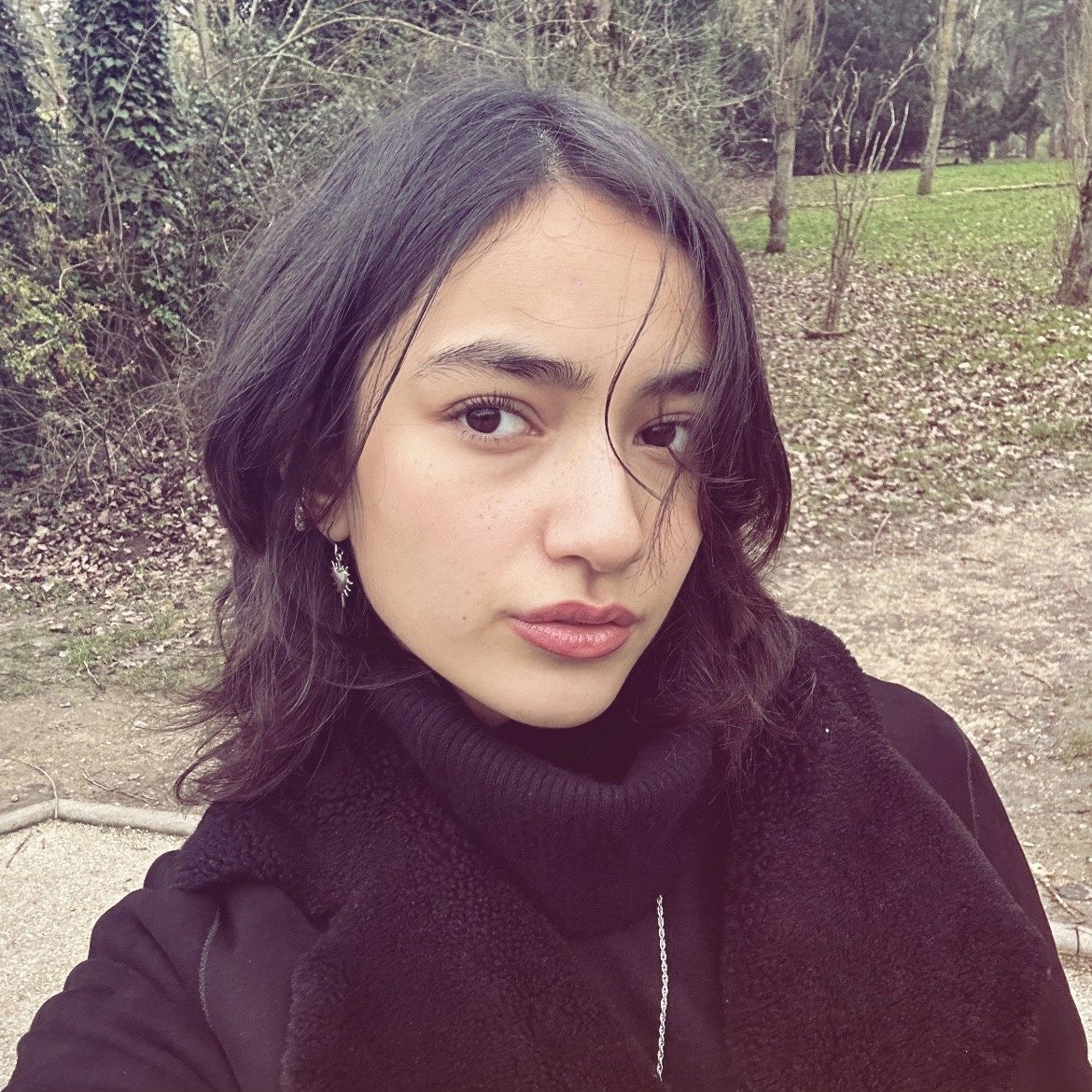
DOMINIQUE SCHLEIDER | Weather Any Storm
BS Symbolic Systems
To take cover or to surrender?
Weighed down by the products we have for our every problem, I wonder if our predecessors might view our rainwear as an overreaction; my younger self mortified by the thought of using an umbrella would agree. At what point of preparation, do we go overboard?
There is comfort in protection but there is freedom in release. My collection is a calling to appreciate both the storms we find ourselves in and the storms we find within ourselves. To find beauty in every weather, every problem, every storm. To feel grateful for the tightness in my throat when my breath is taken away by both beauty and pain because what a blessing it is to be able to feel so deeply.
This work is the presentation of my senior fashion collection in an intersection of photography, prose, and performance titled WEATHER ANY STORM.
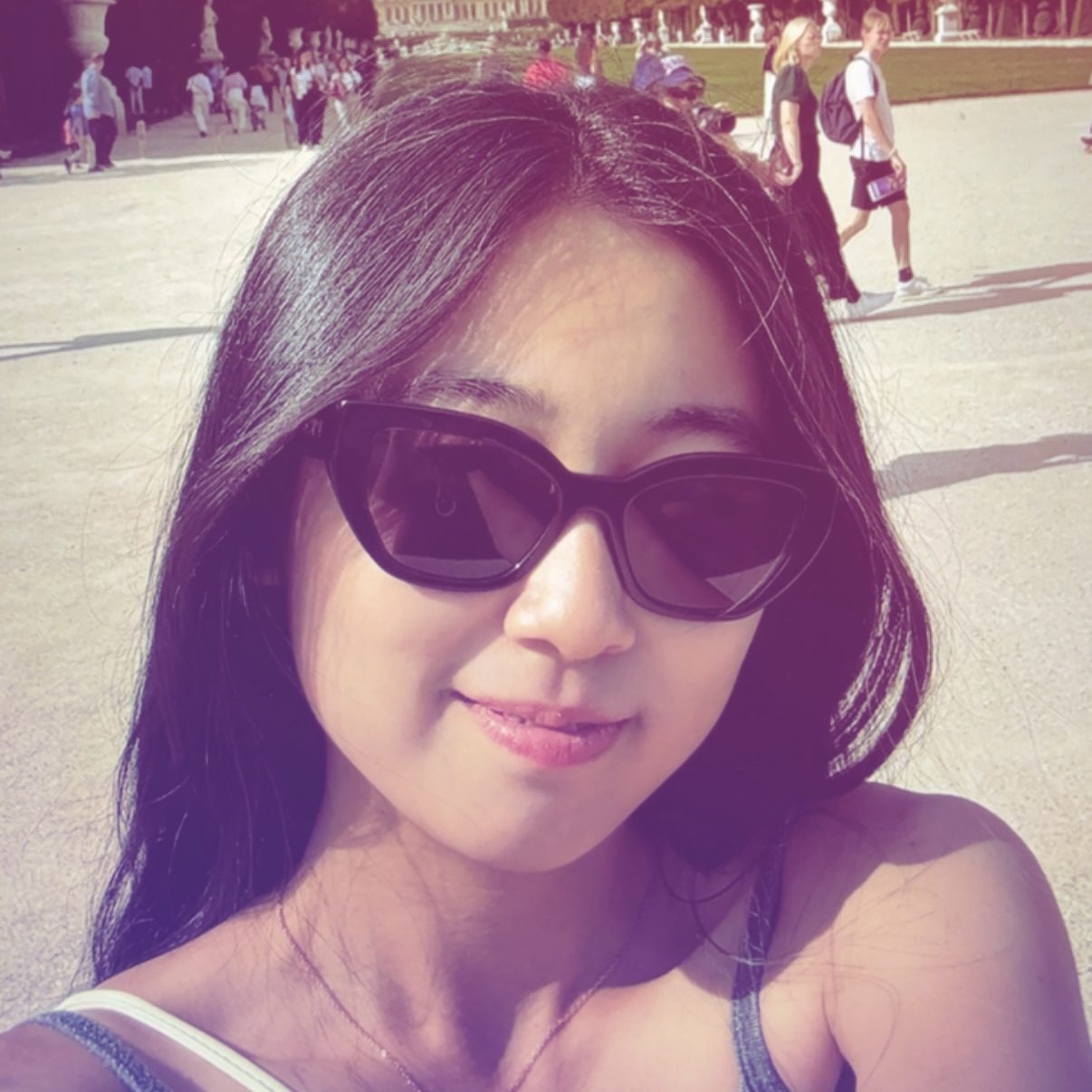
EVELYN SONG | [untitled]
BS Computer Science & Product Design
How does the mind process something bigger than itself? Through Evelyn’s time at Stanford, she experienced moments of transcendence, peace, and despair, all moderated through her evolving view of religiosity and spirituality. In many religious traditions, the mind opens up; you feel that you are a part of something bigger than yourself. This multisensory installation takes the viewer through moments of transcendence, a feeling at the center of modern spirituality.
Evelyn is an artist with synesthesia, where sound, images, and touch merge in her perception of the world. She calls Chengdu, Beijing, and Burlingame home, and she currently lives with two hamsters. Senses, when amplified and merged, ground one in the present moment and maximizes happiness.
This is her tribute to perception.