
Faculty Seed Grants Bloom into Artistic Breakthroughs
The Faculty Creative Project Seed Grants, administered by the Office of the Vice President for the Arts (OVPA), cultivate creative research and catalyze projects with the potential for far-reaching impact.
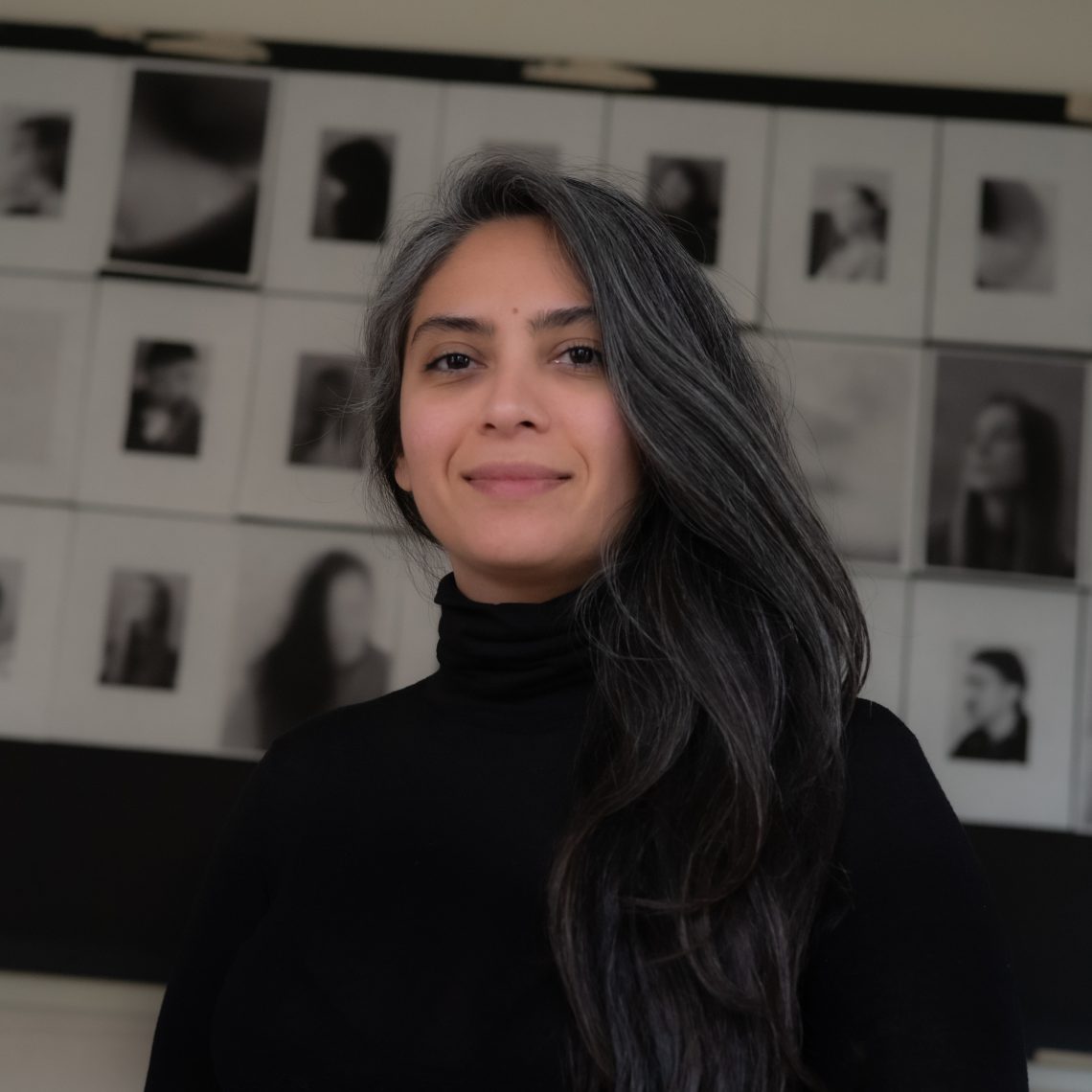
For the third round of these seed grants in 2025, the OVPA announces two recipients: Ioanida Costache, assistant professor of ethnomusicology in the Department of Music and an affiliate of the Center for Comparative Studies in Race and Ethnicity, and amara tabor-smith, artist in residence in the Department of Theater and Performance Studies and the Institute for Diversity in the Arts and the artistic director of the Committee on Black Performing Arts. They began their two-year grant period on September 1.
Costache’s project, Trajo, is a film featuring violinist Nicu Ciotoi, which uses music to explore the culture and history of the Romani people, Europe’s largest yet most marginalized racial minority. Taking its title from the Romani word for “life,” the film turns away from traditional, often exploitative modes of ethnographic documentation, adopting a speculative, experimental lens to reimagine how history might be heard otherwise.
“Trajo, like Romani music itself, reclaims narrative power, positioning the stories of suffering and survival encoded in Romani music as central to history-making, alongside written and archival records,” shared Costache. “The film reminds us that sound and personal memory work to redress an incomplete, hegemonic historical record. In this way, Trajo underscores how art can push back against, or even undo, the dehumanization that has long underpinned the erasure of Romani life—biopolitically, culturally, and historiographically.”
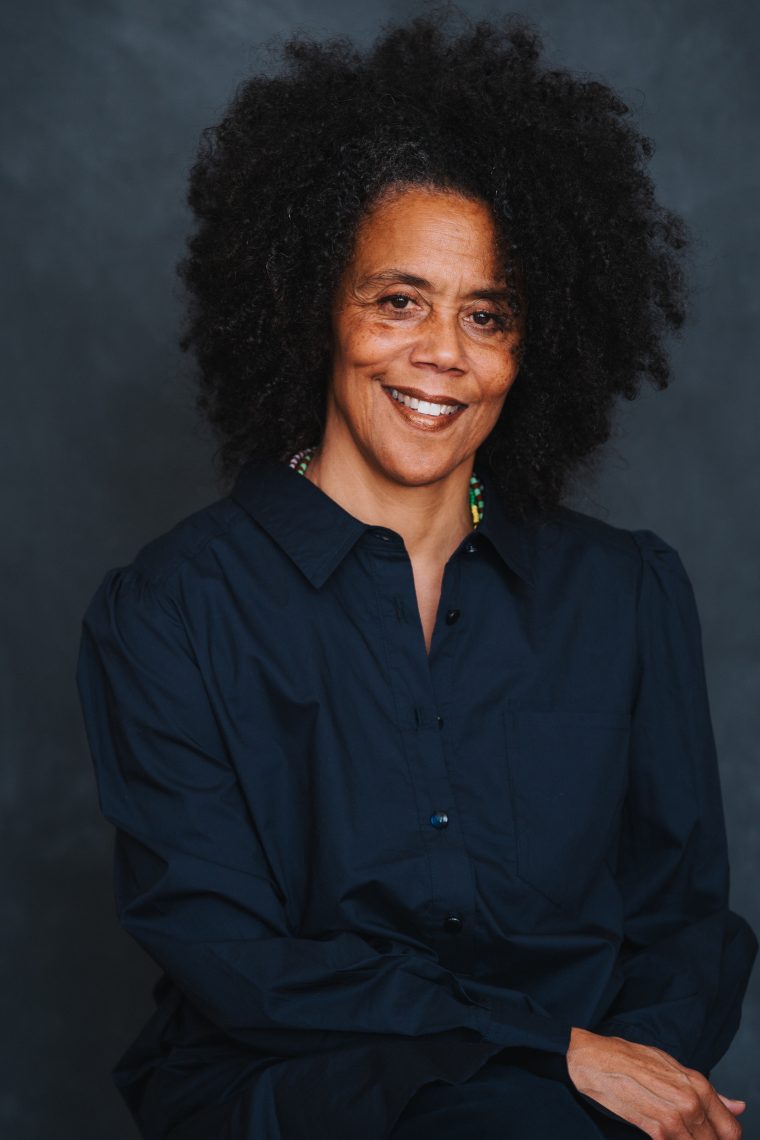
Dancer and choreographer tabor-smith’s project, (May There Be) Good Atmosphere Between Us: The Parables of Now, is a performance that combines dance, theater, and rituals to address the climate crisis. Inspired in part by the Parable series written by Octavia Butler, it draws on Indigenous myths and Yorubá/Lukumí practices to foster community, prayer, and movement that promote ecological care.
tabor-smith shared that guiding inquiries for this work include: “How do I step more deeply into my role as both artist and spiritual elder, and how might I do this by sharing my ‘body as knowledge’ through the performance work?” And, “How might this work inspire dialogue and engage audiences around how we make a commitment to the labor of restoration of our earth?”
Her community-based process will involve extensive research across California, New Mexico, and Pennsylvania, including interviews with climate scientists, spiritual/religious practitioners, land stewards, urban and rural farmers, and community members to inform the development of the project and its public ritual offerings.
Costache and tabor-smith will share their progress with the campus community and fellow artists at the end of their grant period, and are working toward public presentations in film festivals and on notable stages.
“I am thrilled that the OVPA champions the artistic research and practice of our remarkable faculty,” said Ellen Oh, director of interdisciplinary arts programs and member of the seed grant review committee. “These seed grants play a crucial role in supporting and nurturing their creative endeavors, which not only brings compelling new work into existence, but ultimately benefits our students and the university at large.”
Powerful personal narratives
In 2024, Natalia Almada, assistant professor in the Department of Art and Art History, and Molly Antopol, assistant professor in the Department of English, were selected in the second round of seed grants and are currently in the midst of their creative projects.
Almada, a photographer and filmmaker who teaches courses on documentary film and video, is developing a magical realist science fiction documentary that explores the intersection of beauty and grief. Captions Will Be Needed is her cinematic response to living with a rare cancer during an era that believes in technology’s omnipotent power to answer all questions.
Antopol is merging imagination and history in her project Saturn, a multi-generational novel that explores the seismic impact geopolitics have on individual lives. Asking questions about surveillance, election interference, privacy, and gender roles in Hollywood, the novel hopscotches through Rome, Cannes, Washington D.C., London, Los Angeles, and a Greek fishing village, and half a century of history leading up to the end of America’s standoff with the Soviet Union. Saturn is set to be published by W.W. Norton.
Monumental accomplishments
In 2023, the OVPA first offered this seed grant to an inaugural cohort of grant recipients that included Patricia Alessandrini, assistant professor in the Department of Music; Terry Berlier, associate professor in the Department of Art and Art History; Hideo Mabuchi, professor in the Physics Department and the Denning Family Director of Stanford Arts Institute; Jamie Meltzer, professor in the Department of Art and Art History, and Michael Rau, assistant professor in the Department of Theater and Performance Studies.
Over the last two years, these faculty artists have worked to bring their proposed projects to life, with works in various stages of completion.
For Berlier, the seed grant has been instrumental in developing her studio research project Tonic Immobility, which explores how monuments can be transformed through queer, trans, and decolonial strategies of healing. The project reimagines a toppled statue of naturalist and polygenist Louis Agassiz—which fell from a Stanford facade during the 1906 earthquake and was ultimately removed from campus in 2021—as an inverted shark, referencing both scientific practices of inducing tonic immobility and the artist’s studio building’s former use as a shark research lab. Her grant supported extensive historical and archival research and has also enabled her to mentor student interns, expanding the project’s scope while supporting the next generation of artists and researchers.
For Rau, the seed grant successfully supported the development and world premiere of Orpheus Orchestra Opus Onus, a music-theater work performed with the New York Philharmonic in May 2025 under the baton of Gustavo Dudamel. Praised as tender, whimsical, and clever by the New York Times, this interdisciplinary collaboration between director Rau and composer-performer Kate Soper offered a fresh perspective for one of the world’s most prestigious orchestral institutions.
Reflecting on his experience, Rau noted the “multiplier effects” of the grant: “Through targeted investment in artistic development, the VPA Faculty Creative Project Seed Grant program has enabled the creation of significant new work while advancing both individual faculty careers and Stanford’s presence in the national arts landscape.”