
Faculty creative project seed grants support works connected to time and place
What do American communities lost due to the construction of reservoirs, and the history behind the scientific and technological advancement of the Islamic Golden era have in common?
Both are themes being explored by recipients of the fourth round of The Faculty Creative Project Seed Grants, which support projects that combine scholarly research and artistic practice, with the potential for expansive reach.
Administered by the Office of the Vice President for the Arts (OVPA), the 2026 grant recipients are Stanford Associate Professor of Photography Jonathan Calm, and Assistant Professor of Digital Art Morehshin Allahyari.
“Morehshin and Jonathan both put forward ambitious, timely, innovative projects that have strong potential to engage audiences well beyond campus,” said Sabrina Wilensky, director of Program Operations and Project Management, Stanford Arts Office Programs.
“With this support, both artists can take their research further, and we hope the people who encounter their work will look again at histories that have been overlooked—or literally submerged—and come away understanding how those histories shape the world we live in now,” she said.
Drown Town
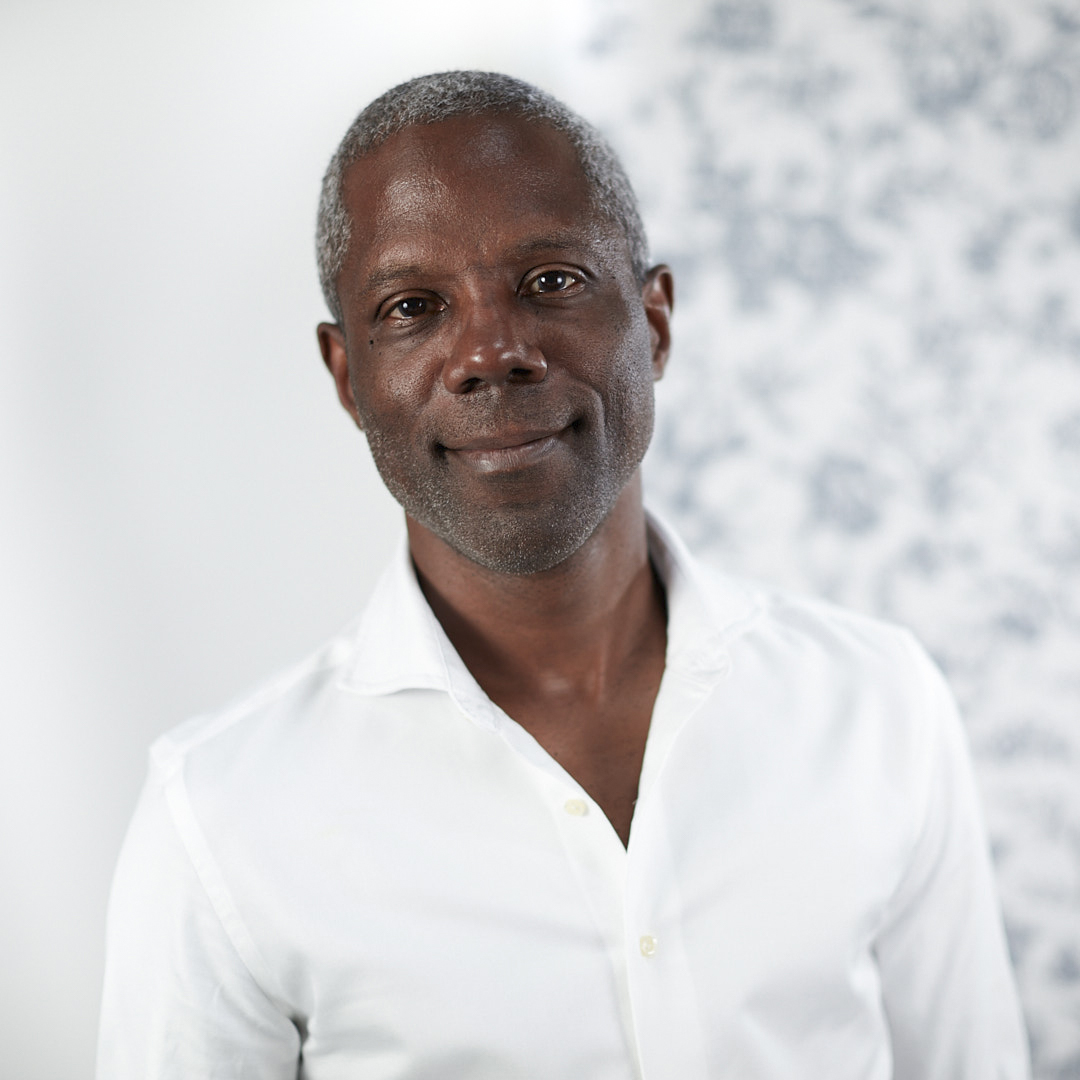
Calm’s work, Drown Town, is an ongoing art project that explores the American neighborhoods that were intentionally flooded to create reservoirs that supply water to growing cities. Using photography, fieldwork, and archival research, Calm seeks to unearth what existed before the waters came, and discover the continued change of these landscapes.
“Honestly, if you’re embedded in, in deep research you are uncovering all sorts of histories, narratives, stories, and maps of where people, places, and things once were,” said Calm, whose work explores how images and architectural constructs shape the lives of individuals and communities.
“I think my ability to do this project, in the way that I’m doing it involving coding and archival research, is a testament to Stanford and its support of the arts,” he said. “I find it quite inspiring to be here, and to try new things way outside of my comfort zone.”
The Drown Town project features contemporary photographs translated into embroidered images that both depict the present reservoir and the community that lived there in the past.
Calm uses historical maps, photographs, newspapers, government records, and local histories to create his work, establishing a link between time and place.
“Receiving this grant is kind of one of these full circle things that maybe I saw 11 years ago, that I’m also now in a place with the work that I’m doing experimental things with experimental money at an experimental place.”
The Remaining Signs of Future Centuries
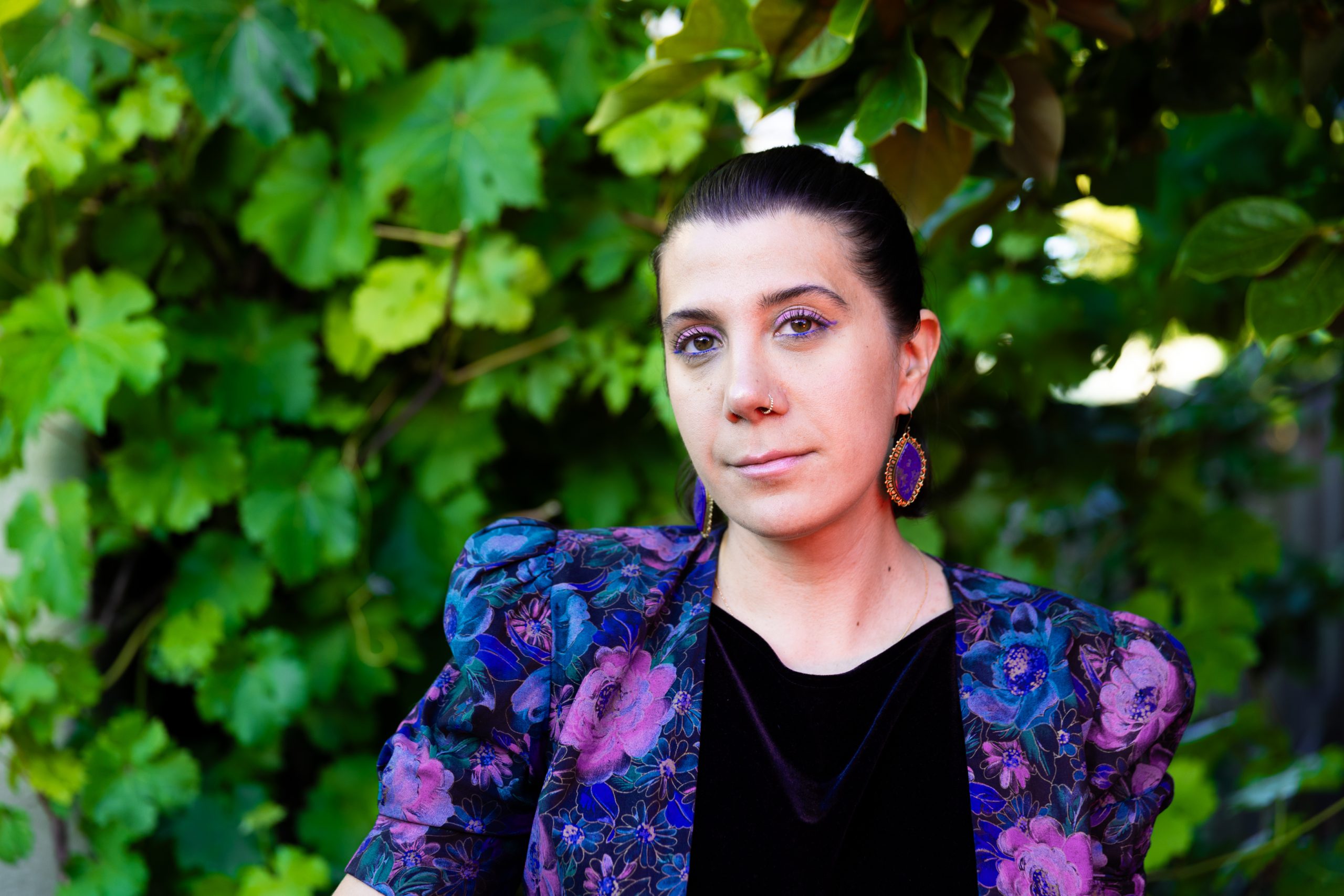
Allahyari’s project, The Remaining Signs of Future Centuries, also delves into themes of time and space, by examining the history of Islamicate science, technology, and mysticism through an anti-colonial feminist lens.
Allahyari says her project explores the history of technological and scientific advancement during the Islamic Golden Era, which was from the eighth century to the sixteenth century.
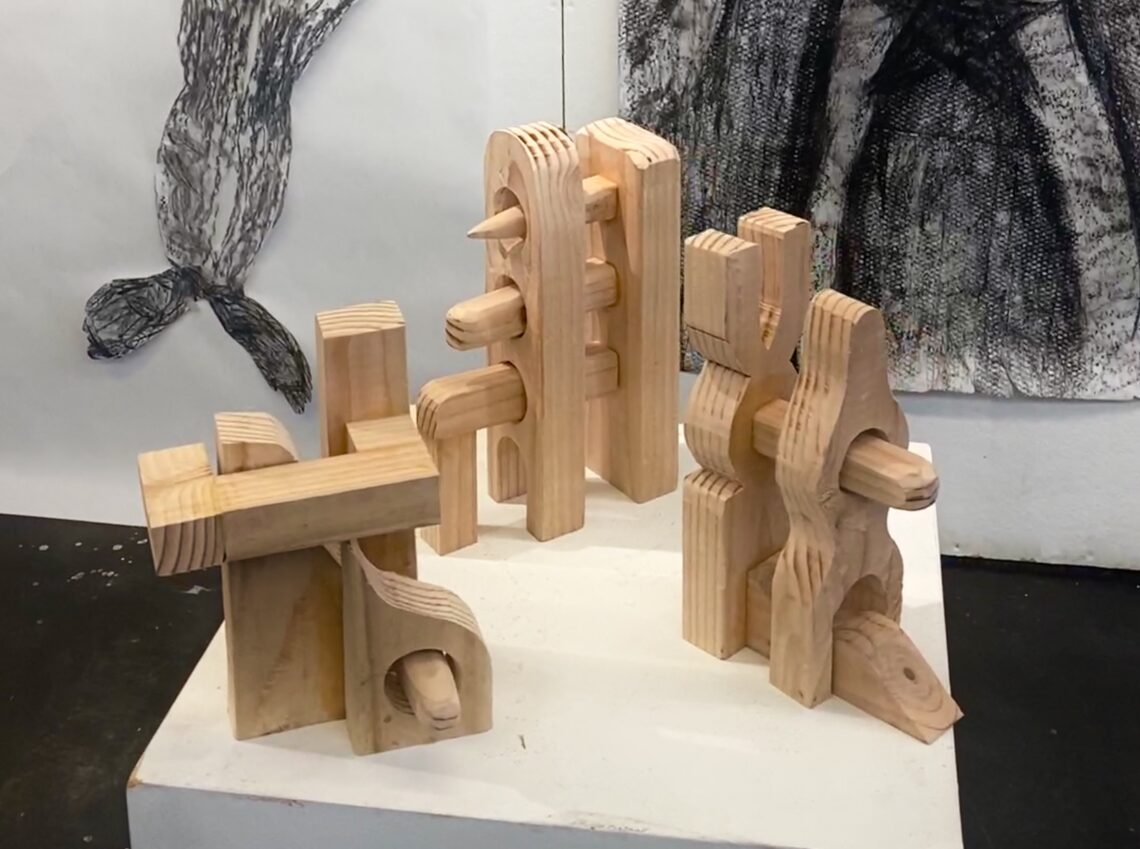
“A larger thing that I try to teach my students is how to see or think beyond the Western or colonial way of thinking about progress or science,” said Allahyari, who uses 3D simulation, video, sculpture, and digital fabrication as tools to re-figure myth and history. “I applied for this grant to create a series of sculptures that focus on automation and it’s inspired by this research and larger body of work that I’ve been working on for the last four years.”
The multifaceted project includes a feature-length film, as well as a series of installations and sculptures.
“This history of Islamic science and technology is very underrepresented even though it has had a huge influence on Western scientific and technological development,” Allahyari said. “This grant is offering me the funding, time and possibility to actually bring some of these ideas into practicality.”