Learn
Arts Career Toolkit – Resumes, CVs, and More
Resume/CV
Resumes tell the story of your education and accomplishments. You may need to tailor the format and content of your resume depending on how it will be used (e.g. focusing on artistic achievements when applying for project grants, highlighting leadership experience when applying to administrative opportunities, etc.) Check out CareerEd's resume resources to help you get started.
Resume tips for arts-based roles:
- Always tailor your resume to the opportunity. You don't need to include every research project, internship, volunteer activity you've ever done. Instead, focus on the experiences that demonstrate the skills needed for the job or internship.
- Unless a job or internship description specifies that they're looking for someone with specific artistic experience (performance, exhibition, etc.), focus just on showcasing your education, related work/volunteer experience, research, and skills.
- Looking for a way to blend "traditional" resume content with your artistic and creative achievements? Consider using a hybrid resume format. This style blends your academic, administrative/leadership, and artistic experiences into one document.
- Prioritize legibility and clarity over design flair. The exception to this rule is for design-based positions; in these scenarios, how you design your resume may be a critical point of evaluation.
- Don't include a headshot, portfolio, or work samples unless they're required as part of the opportunity's application process.
- Keep it short. Resumes for administrative positions should be page or less for administrative positions.
- If your applying for academic or curatorial positions, a longer CV is acceptable.
- You can add more detail/color to your experiences in a cover letter.
Cover Letter
Cover letters are a way to introduce yourself to potential employers. They showcase your skills and experience in a narrative format to highlight connections that may not be apparent solely through your resume.
Many arts organizations still value cover letters and may use them as a way to evaluate your written communication and storytelling skills.
- Career Education: Cover Letter Resources
Portfolio
Portfolios showcase your work as an artist/creative. They are a common requirement for application-based opportunities (such as funding, training programs, etc.) and creative opportunities. Our portfolio checklist will help you get started.
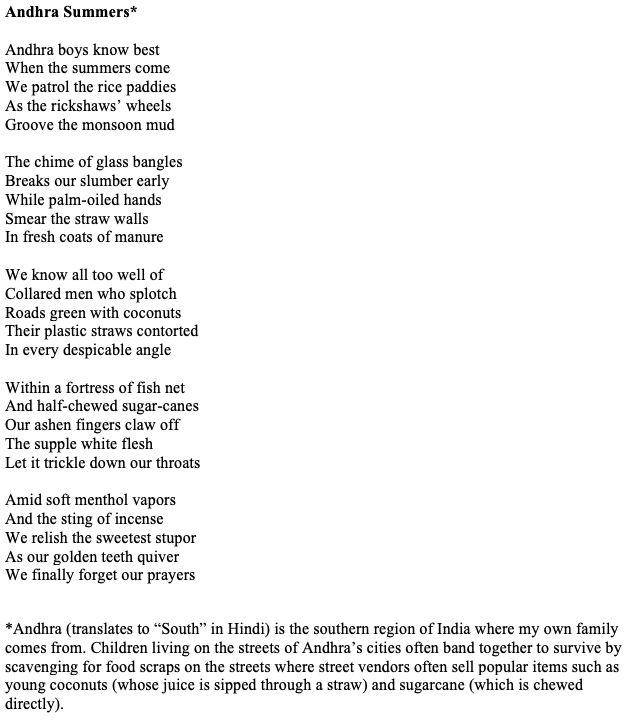
Artist Statement
- Hume Center Writing Tutors: Several of the Graduate Writing Tutors are available to assist with writing an artist statement. Read through their bios to find a tutor.
Don't underestimate LinkedIn as a resource for artists! It's a great way to showcase a wide range of experiences, such as your academic career, your artistic work, and any administrative or research positions. You can even include a media portfolio in your profile through the Featured section.
Additional Resources:
Didn't find what you were looking for?
Reach out with questions: