
Office of the Vice President for the Arts
Creative Futures – People
Project Leadership
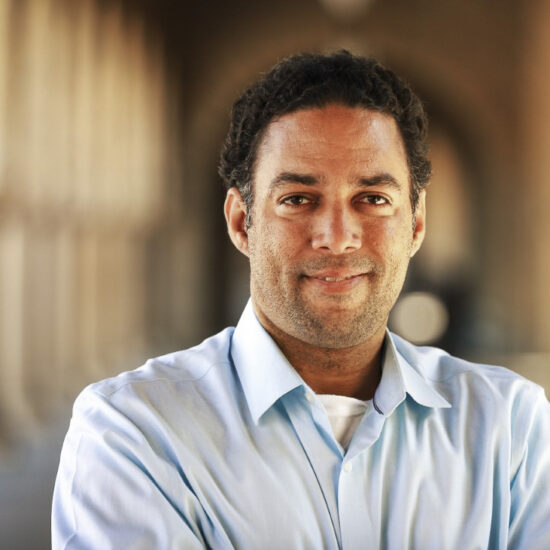
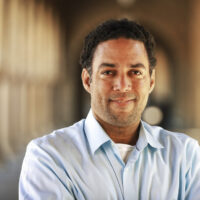
Adam Banks
Principal Investigator
Professor, Graduate School of Education
Professor of African and African American Studies, by courtesy
Faculty Director, Institute for Diversity in the Arts
Adam Banks is a professor of education at Stanford’s Graduate School of Education as well as a professor and faculty director of the Program in Writing and Rhetoric, and an affiliate faculty member of the African and African American Studies Program, the Science, Technology and Society Studies Program and the Comparative Studies in Race and Ethnicity Program, all in the Stanford School of Humanities and Sciences. He has taught writing, rhetoric, and digital media at Syracuse University and the University of Kentucky and served as the 2010 Langston Hughes Visiting Professor at the University of Kansas. Banks is the author of Digital Griots: African American Rhetoric in a Multimedia Age and of the award-winning Race, Rhetoric, and Technology: Searching for Higher Ground. His most recent book is a collaboration with Keith Gilyard: On African American Rhetoric, released in 2018.
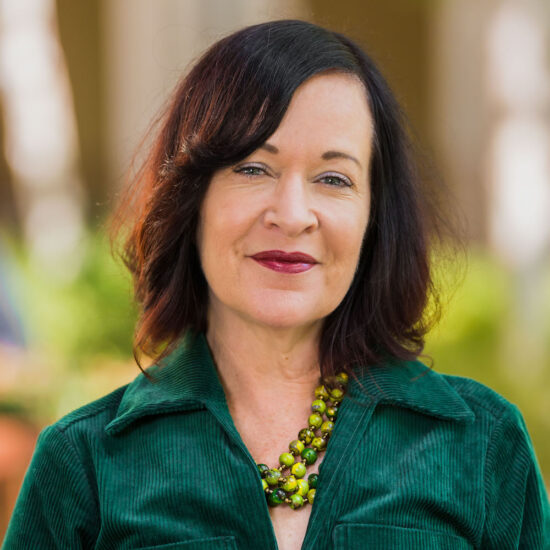
Deborah Cullinan
Co-Investigator
Vice President for the Arts
Deborah Cullinan is one of the nation’s leading thinkers on the pivotal role artists and arts organizations can play in shaping our social and political landscape. She has spent years mobilizing communities through arts and culture on a local and national level. Cullinan joined Stanford in early 2022 as a member of the university president’s cabinet and the first full-time vice president for the arts. She oversees a portfolio of multidisciplinary public-facing arts organizations and academic arts institutes that support her comprehensive, integrated, and future-facing vision for the arts at the university. Previously, Cullinan was CEO of Yerba Buena Center for the Arts (YBCA), where she launched several bold new programs, engagement strategies, and civic coalitions.
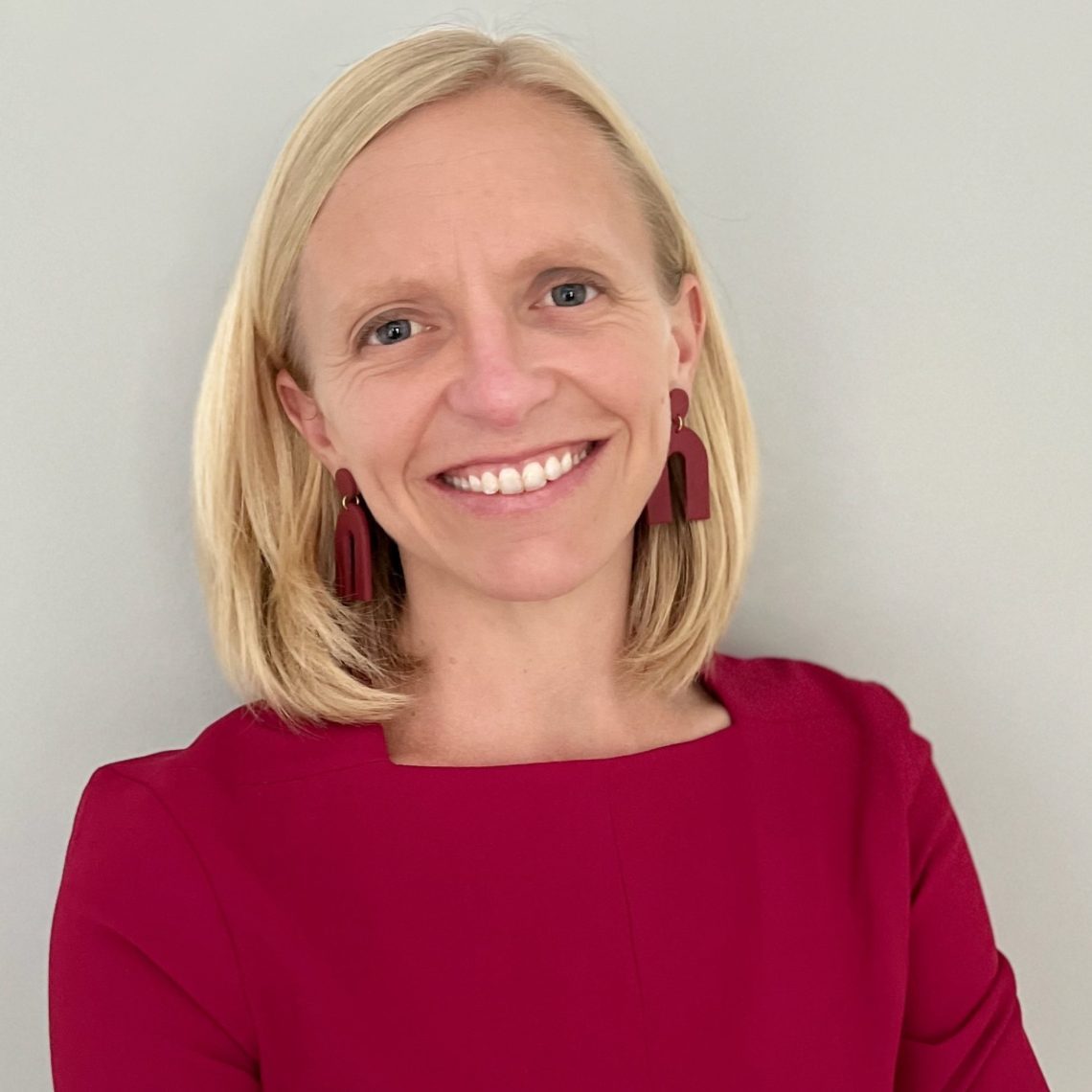
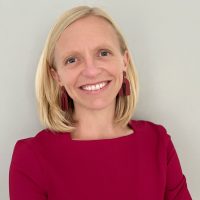
Jen Hughes
Project Facilitator
Jen Hughes works at the intersection of arts, civic life, and systems change. Most recently, she was a Harvard Loeb Fellow at the Graduate School of Design, where she researched how the arts foster connection, build thriving places, and strengthen our democracy. From 2011 to 2025, Jen held multiple leadership roles at the National Endowment for the Arts, most recently as Senior Advisor for Partnerships, Expansion and Innovation. She led partnerships across the federal government and philanthropy to deploy arts in service of pressing societal challenges. Her work resulted in new cross-sector initiatives, including the first-ever EPA artist-in-residence program, a $5 million arts and health initiative, and “Healing, Bridging, Thriving," a summit co-hosted with The White House. As Director of Design and Creative Placemaking, she directed a $7 million annual grant portfolio that included programs such as Our Town, Mayors’ Institute on City Design, and Citizens’ Institute on Rural Design, generating local impact for over 700 communities nationwide. She holds a BS in Economics from Wharton and a Master of City Planning from UC Berkeley.
Current Fellows
Fellowships are by nomination only through members of our national advisors.
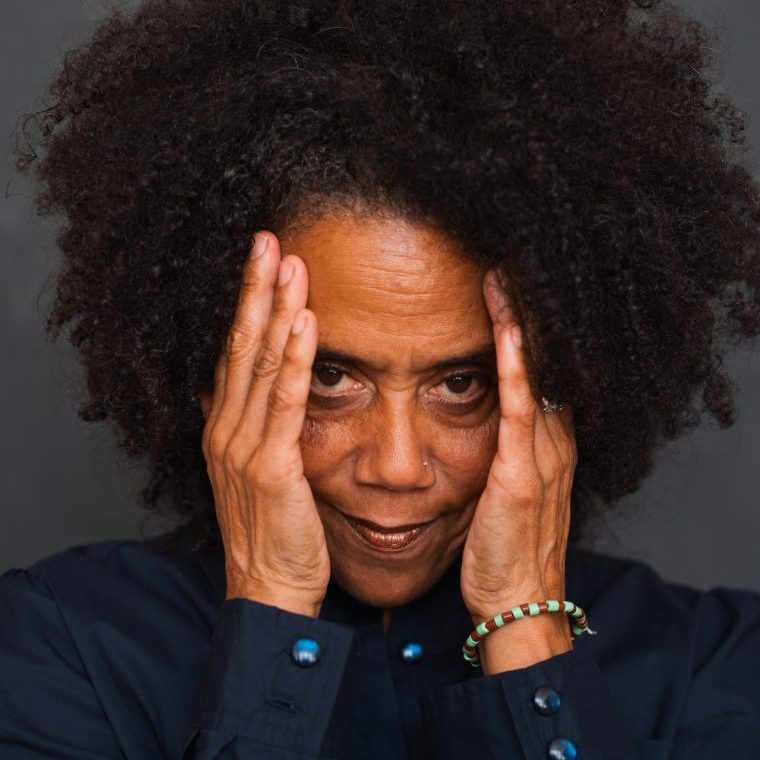
amara tabor-smith
amara tabor-smith (she/they) is a choreographer, performance maker, cultural worker, Conjure artist, and the artistic director of Deep Waters Dance Theater based in unceded Huichin Ohlone territory/Oakland, CA. Her interdisciplinary site-responsive and community specific performance making practice utilizes Yoruba Lukumí spiritual technologies to address issues of social and environmental justice, race, gender identity, and belonging. amara’s work is rooted in Black, queer, feminist principles that insist on liberation, joy, home fullness and well-being in the Afro Now. She is a 2024 recipient of the Guggenheim Fellowship award. Other grants and awards include, American Academy of Religion’s Religion in the Arts Award, the Rainin Arts Fellowship, Dance/USA Fellowship, United States Artists Fellowship, Urban Bush Women Choreographic Center Fellowship, Creative Capital, MAP Fund and A Blade of Grass. amara is currently a teaching artist in residence at Stanford University.
Photo by Robbie Sweeny
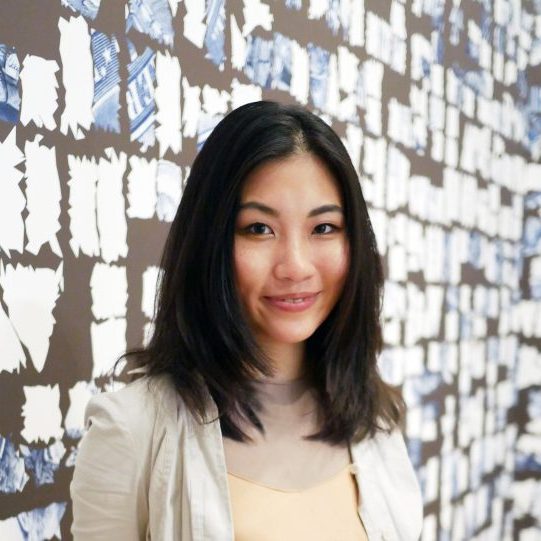
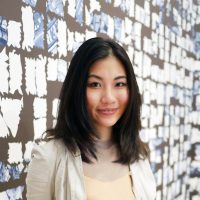
Beatrice Glow
Beatrice Glow is a New York-based artist whose installations, sculptures, performances, and use of emerging technologies transform histories of extractive trade and diaspora into material and sensorial experiences that reclaim visions of thriving futures. Drawing on archives, field research, and sustained collaboration with culture bearers across Asia, the Americas, and Oceania, she constructs counter-narratives to the aesthetics of empire. She has presented solo exhibitions at The New-York Historical, the Baltimore Museum of Art, Taipei Contemporary Art Center, and Museo Nacional de Bellas Artes de Chile, and group exhibitions at the Western Australia Shipwrecks Museum, Lyndhurst Mansion, Park Avenue Armory, Honolulu Biennial, and Galeri Nasional Indonesia, among others. Her work has been supported by Creative Capital, the Smithsonian Artist Research Fellowship, Yale-NUS College, Rockefeller Brothers Fund, National Endowment for the Arts, Jerome Foundation, and the US Fulbright Scholar Program. Recent lectures have taken place at Princeton, Bard Graduate Center, MIT, Stanford, and Wereldmuseum.
Photo by Aertiron
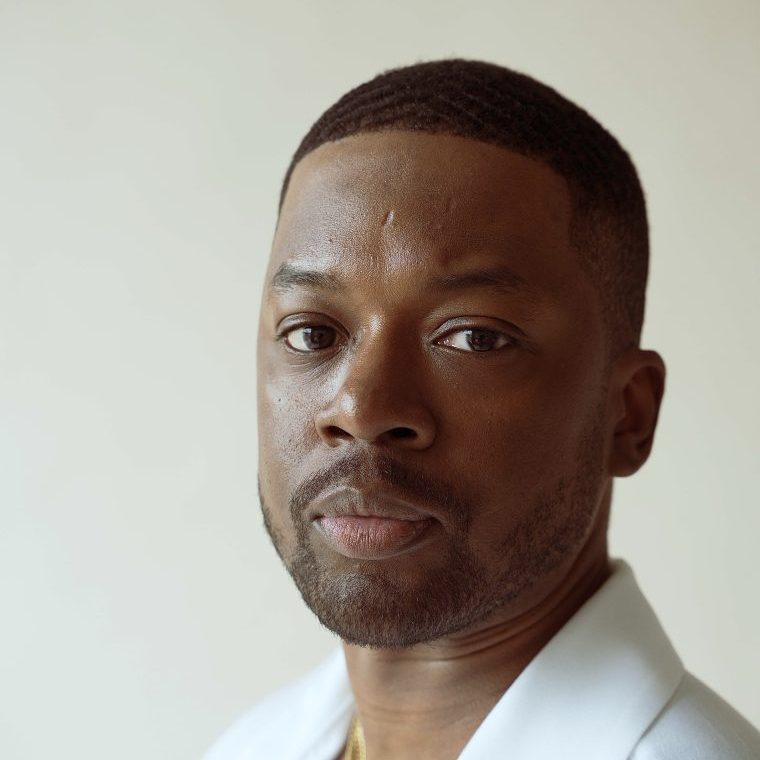
Benny Starr
Benny Starr is an artist from Pineville, South Carolina, whose work spans hip-hop, film, facilitation, and cultural policy. Rooted in the Black rural South, his practice explores what becomes possible when art, culture, equity, labor, environment, and spirit are brought into right relationship. Benny’s critically acclaimed A Water Album made him the first hip-hop artist to perform at the finale of Spoleto Festival USA, while his award-winning Restoration: A Concert Film amplified Black agrarian stories and restorative land justice. He has served as the inaugural One Water Artist-in-Residence at the U.S. Water Alliance, been named to the Grist 50, and is currently a U.S. Cultural Policy Fellow at Stanford University. At the center of his work is the belief that creativity is inseparable from liberation, and that how we create has everything to do with how we live, how we relate, and how we get free.
Photo by Derrick Beasley
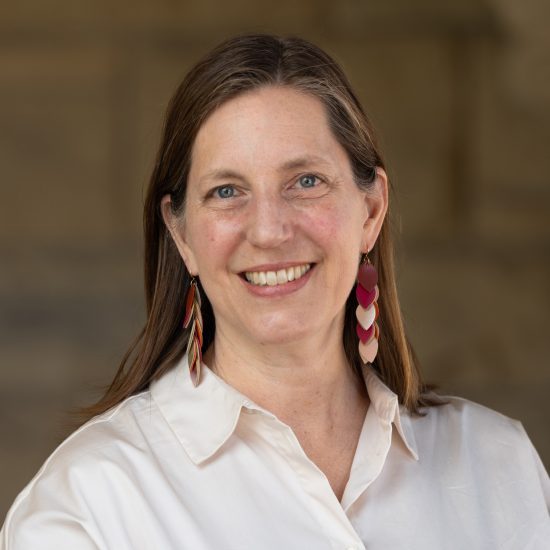
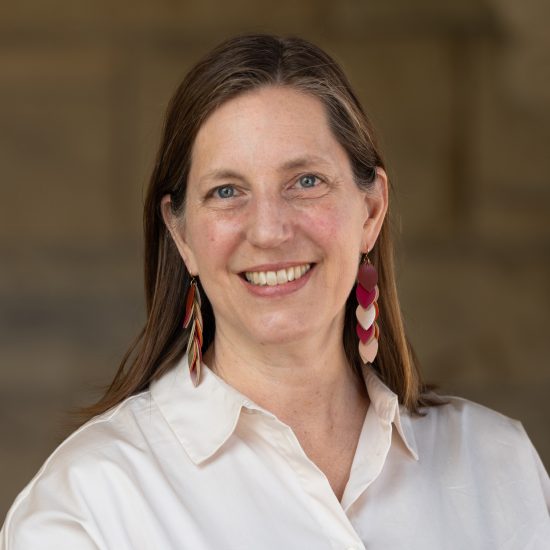
Camille Utterback
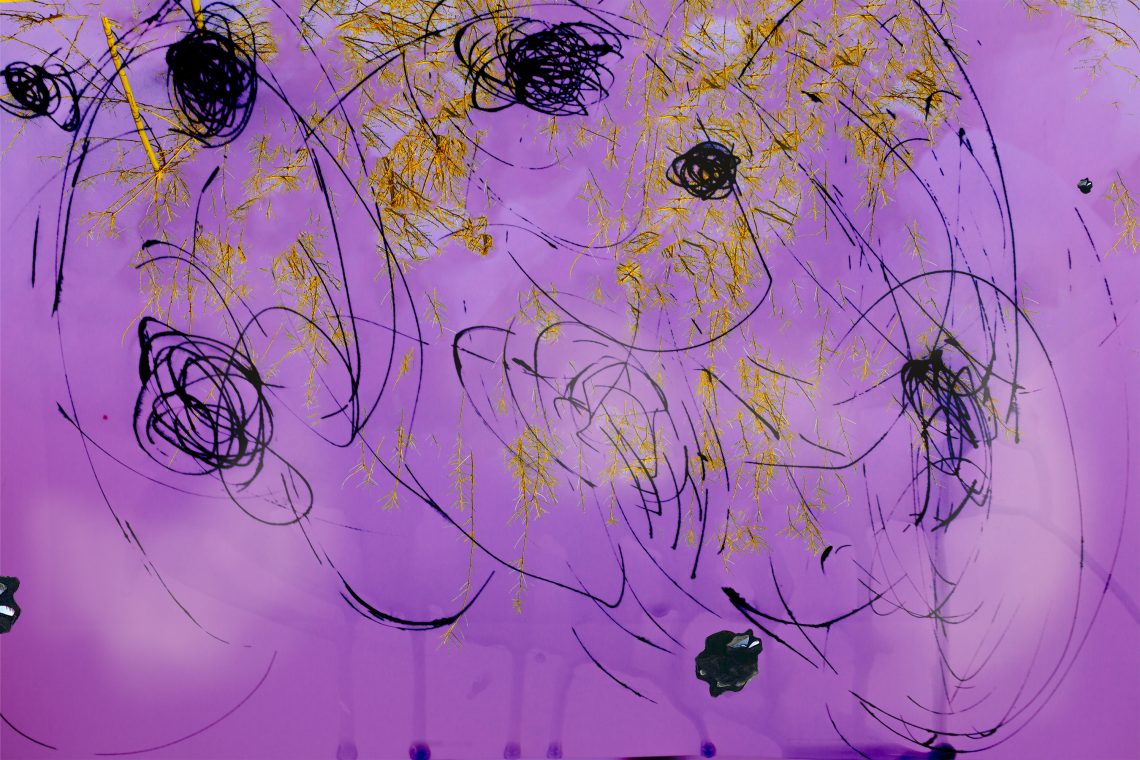
Camille Utterback (www.camilleutterback.com) is a pioneer in the field of digital and interactive art. Her work ranges from interactive gallery installations, to intimate reactive sculptures, to architectural scale site-specific works. Camille’s work explores the aesthetic and experiential possibilities of linking computational systems to human movement and physicality in visually layered ways. In addition to a newfound love of printmaking, her recent projects combine computer generated animations with custom glass panels to explore the potential for display surfaces that address the subtleties of our depth perception. Her permanent, site-specific commission Fathom for Stanford’s new Computing and Data Science building.
Camille’s many awards include a MacArthur Foundation Fellowship (2009), and a US Patent (2001). Her extensive exhibit history includes more than fifty shows on four continents. Camille is an Associate Professor of art in the Department of Art & Art History, and by courtesy, of Computer Science, at Stanford University.
Photo by LiPo Ching.
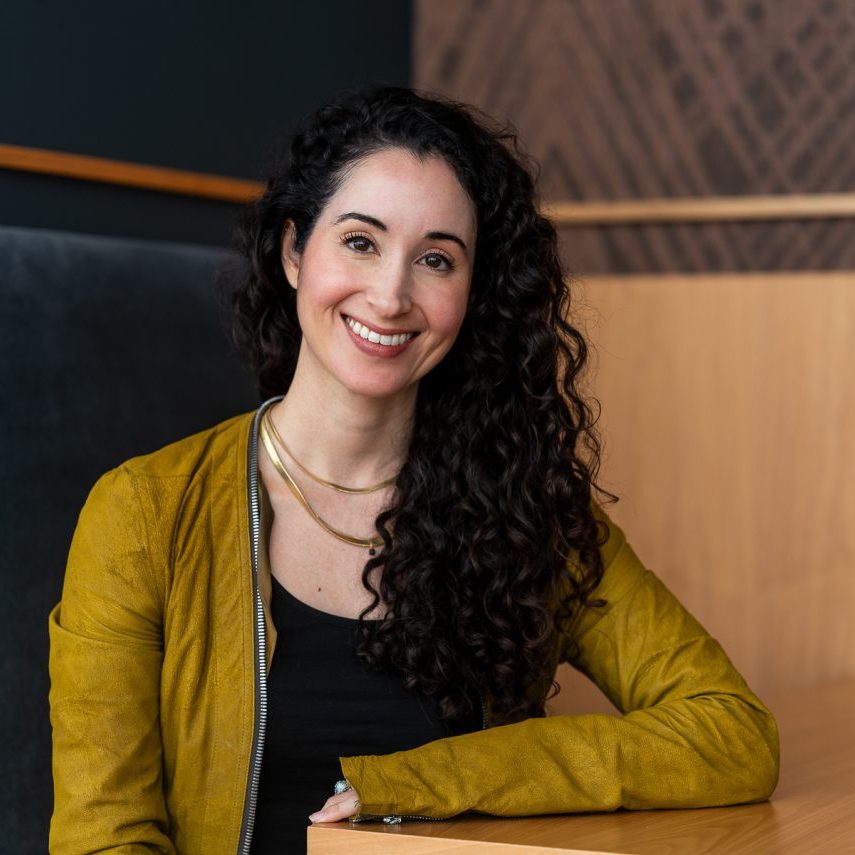
Catie Cuan
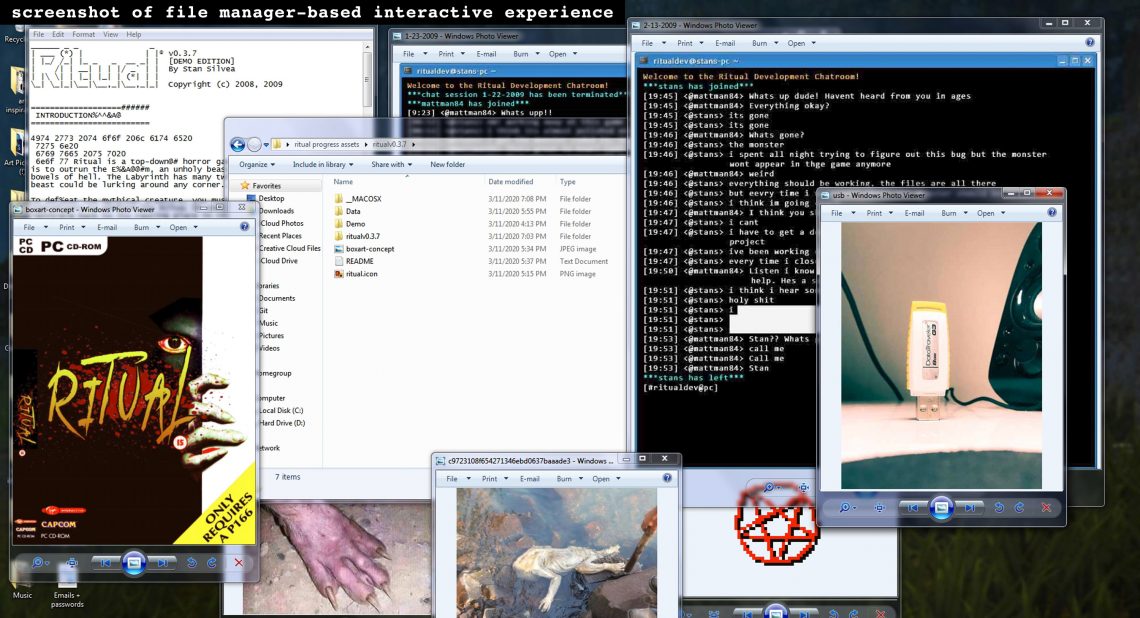
An entrepreneur, engineer, and artist, Dr. Catie Cuan is a pioneer in the nascent field of ‘choreorobotics’ and works at the intersection of artificial intelligence, human-robot interaction, and art. She is currently building a new company in the AI and robotics space called ART Lab (AI Robot Technology). She has held artistic residencies at the Smithsonian, the Exploratorium, Jacob’s Pillow Dance Festival, Everyday Robots (Google X), TED, the RAD Lab, and ThoughtWorks Arts. Catie is a prolific and award-winning robot choreographer, and her work has been featured in the New York Times, the PBS NewsHour, Forbes, WIRED, and on the cover of Dance Magazine.
She holds a PhD and Master’s of Science in robotics and AI from Stanford University, where she was also a Postdoc leading the art and robotics efforts at the new Stanford Robotics Center. She is currently an Adjunct Professor in Computer Science at Stanford.
Photo by Albert Law
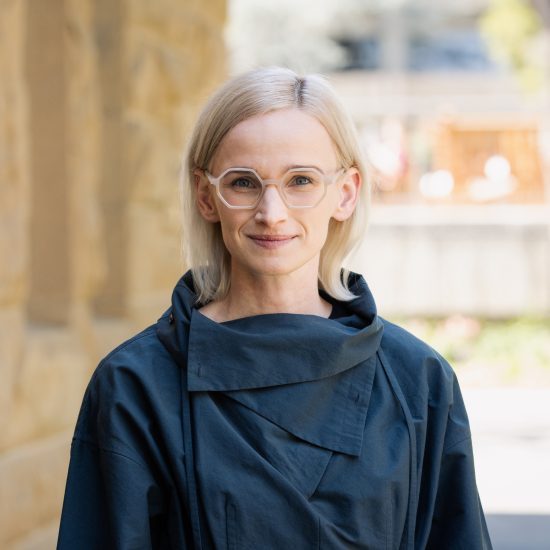
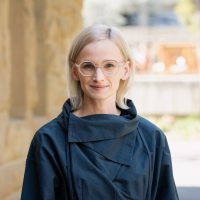
Char McCurdy
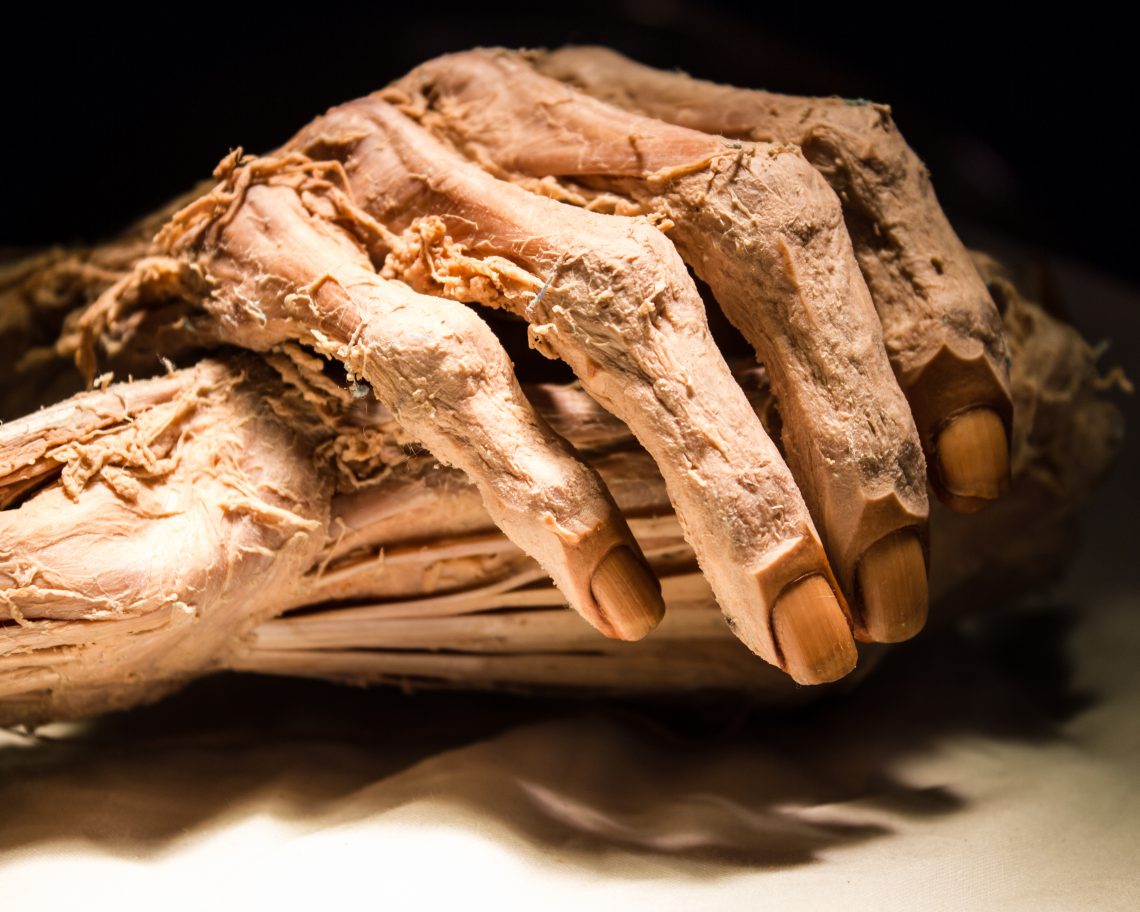
Charlotte McCurdy is a designer and researcher working on the climate impacts of the fashion industry through biogenic materials. Her work on natural carbon sequestration through algae-based materials has been exhibited at the Cooper Hewitt Design Triennial, the Design Museum London, and the Metropolitan Museum of Art, where her collaboration with fashion designer Phillip Lim was added to the permanent collection in 2024. Her work has reached mass audiences through national television ad campaigns introducing the first EVs produced by Genesis, Hyundai Motor Group's luxury brand. She holds a Core Lecturer appointment at Stanford's d.school, where she collaborates on biofutures projects across Bioengineering, Chemical Engineering, and Biochemistry, and develops and teaches award-winning courses within the Design Program, including “REDRESS: Biomaterials and the Future of Fashion.” She holds a US patent for a carbon-negative bioplastic and a BA in Global Affairs from Yale and an MID from RISD.
Photo by Patrick Beaudouin
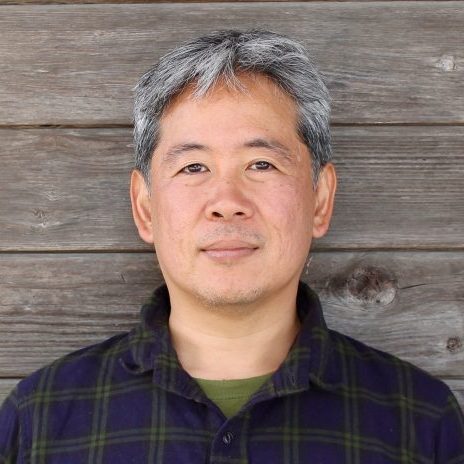
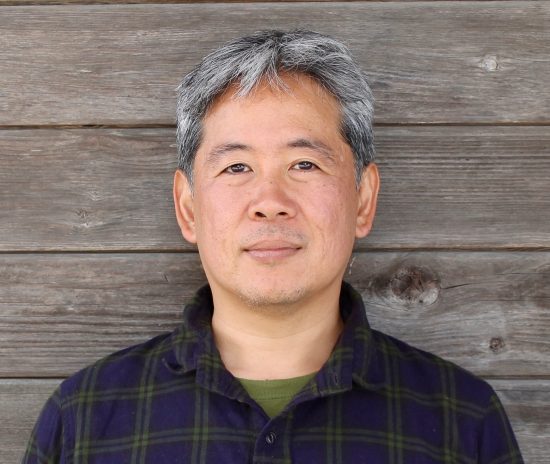
Hideo Mabuchi
Hideo Mabuchi received an A.B. in Physics from Princeton University (1992) and a Ph.D. in Physics from Caltech (1998); at Stanford he has held an appointment as Professor of Applied Physics since 2007. He is currently serving on the Committee in Charge for the Program in Modern Thought & Literature and as Denning Family Director of Stanford Arts Institute. Hideo leads a physics research laboratory specializing in quantum optics and physics of computation, teaches interdisciplinary classes that bridge STEM fields with the arts and humanities, and makes craft work as a ceramist and weaver.
Photo by Rewa Bush
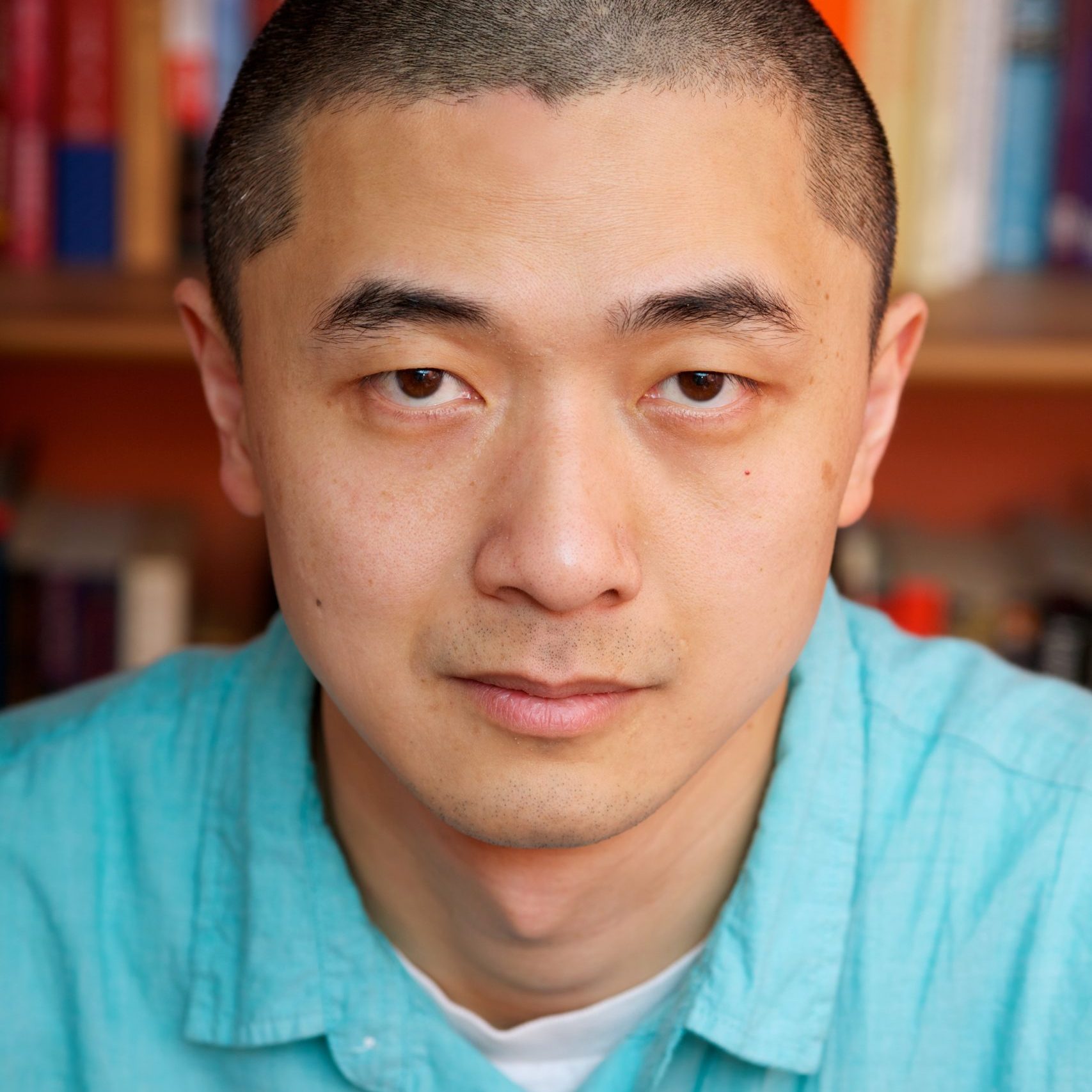
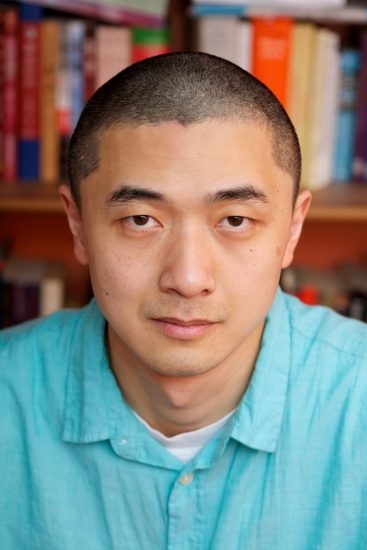
Ken Liu
Ken Liu is an American author of speculative fiction. A winner of the Nebula, Hugo, and World Fantasy awards, he wrote the Dandelion Dynasty, a silkpunk epic fantasy series, as well as the short story collection The Paper Menagerie and Other Stories. His latest book is All that We See or Seem, a techno-thriller starring an AI-whispering hacker who saves the world.
Prior to becoming a full-time writer, Liu worked as a software engineer, corporate lawyer, and litigation consultant. Liu frequently speaks on a variety of topics, including futurism, the history of creative technologies, bookmaking, and the mathematics of origami.
Photo by Lisa Tang Liu
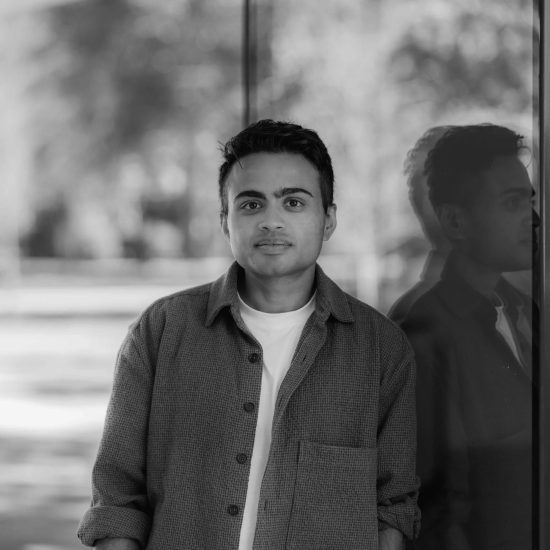
Janani Balasubramanian
Photo by Harrison Truong
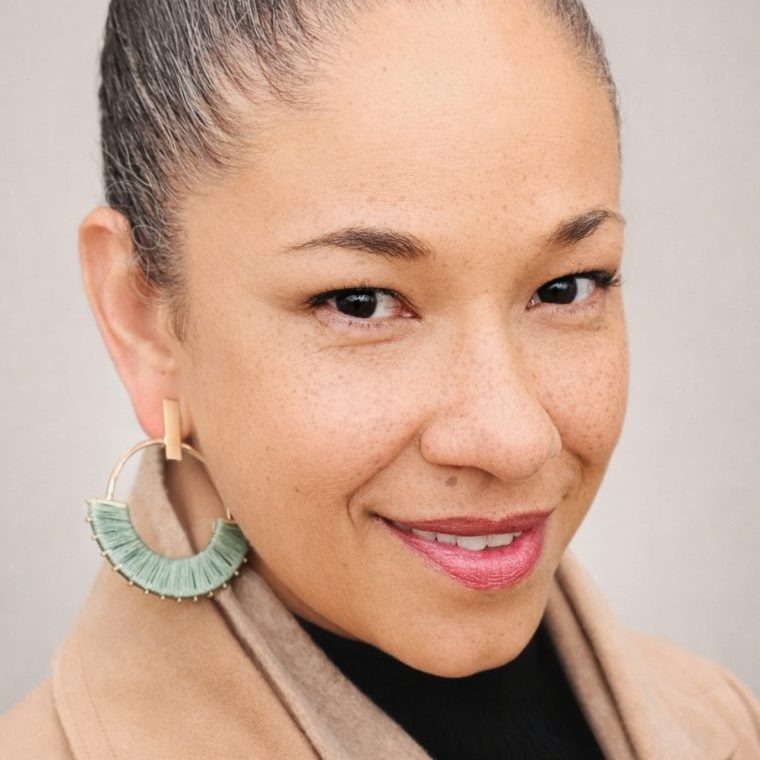
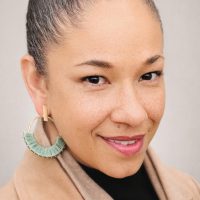
Kamal Sinclair
Kamal Sinclair is an artist, cultural strategist, and media innovation leader working at the convergence of art, technology, creative foresight and wellness. She is founder and creative director of Understory Arts Altadena, a neighborhood-scale arts and ecology initiative, and a principal creative collaborator on Question Bridge: America, in development; an expansion of her award-winning Question Bridge: Black Males, created in collaboration with Hank Willis Thomas Bayete Ross-Smith and Chris Johnson; archived at the Smithsonian National Museum of African American History and Culture. She directed Sundance Institute's New Frontier Lab Programs, supporting more than 1,000 artists across film, art, and technology. She led the Ford Foundation's Making a New Reality research initiative, served as Senior Director of Digital Innovation at The Music Center in Los Angeles, and advised MacArthur Foundation. Rockeller Foundation, Johns Hopkins University and many other organizations. She is currently developing Unmade, an anthology of her that ask what becomes possible when we revisit what was never finished, never built, or never allowed to be — and retrieve it as raw material for futures still within reach.
Photo by Kamal Sinclair
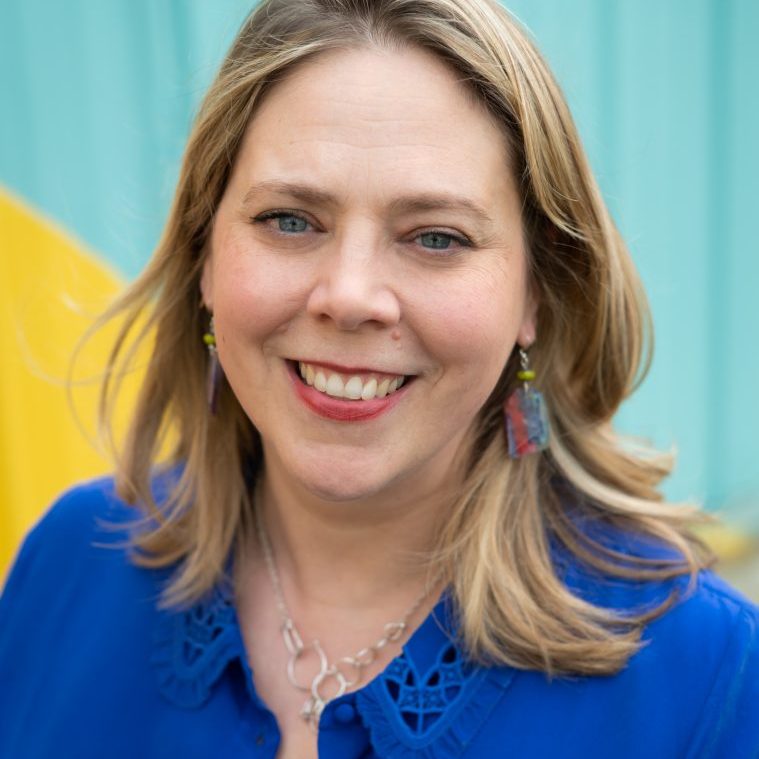

Laura Zabel
Laura Zabel is the Founding Director of the Creative Change Coalition, a national network of 200+ locally-rooted community and culture organizations. Laura stewards the Coalition’s work informed by her 21 year tenure as Executive Director of Springboard for the Arts. At Springboard, Laura led the development of nationally recognized and influential programs at the intersection of arts and community development, economic security, rural-urban solidarity and crisis response. These innovative and effective programs led to widespread replication and adaptation of Springboard’s work in over 100 communities across the country. Through the Coalition and other national initiatives, Laura is now focused on helping communities across the country strengthen their local ecosystems for creativity and culture and building a stronger, more visible field for the hubs of local cultural practice.
Laura’s work has been featured by the New York Times, Stanford Social Innovation Review, Bloomberg News, The Guardian, PBS NewsHour, Aspen Ideas Festival and the American Academy of Arts and Sciences. Laura has been honored with numerous awards, including the YBCA 100, Gard Foundation Award of Excellence, Common Future Local Economy Fellowship, ASU Creative Placemaking Policy Fellowship and the Bush Foundation Leadership Fellowship. Laura is a practicing theater artist in Minneapolis, where she lives.
Photo by Caroline Yang
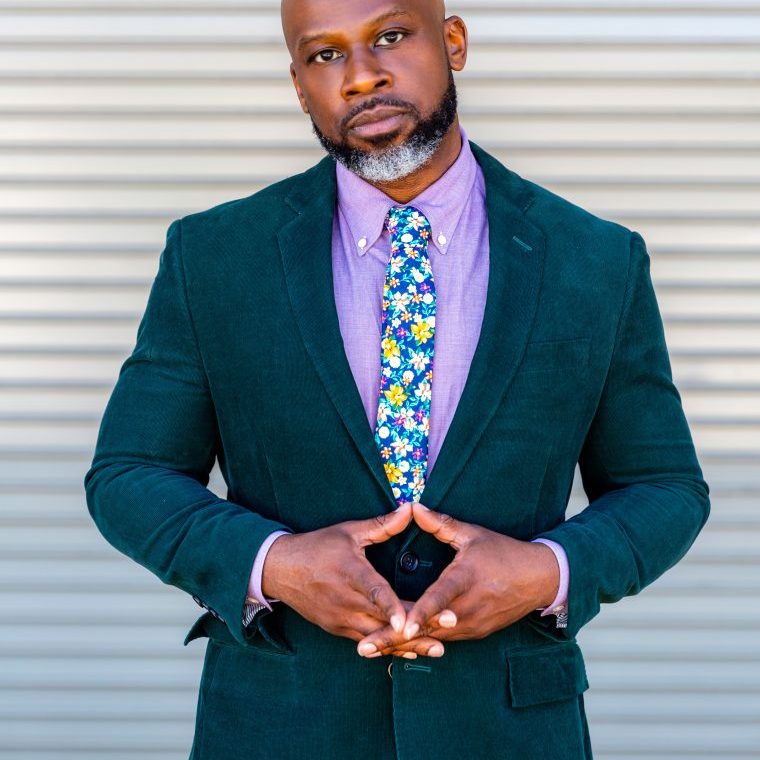
Marc Bamuthi Jospeh
Marc Bamuthi Joseph is a TED Global Fellow, an Emerson Collective Dial Fellow, an inaugural recipient of the Guggenheim Social Practice initiative, and an honoree of the United States Artists Rockefeller Fellowship. He is also the winner of the 2011 Herb Alpert Award in Theatre, an inaugural recipient of the Doris Duke Performing Artist Award and a 2022 inductee into the American Academy of Arts and Sciences. An internationally renowned cultural strategist, Bamuthi has lectured in 25 different countries. Recent commissions include Yale University, the Albany Symphony Orchestra, The Minnesota Orchestra, The New Jersey Symphony Orchestra, The Toronto Symphony, and the Washington National Opera. His most recent orchestral work “Good News Mass” with music by Carlos Simon premiered with the LA Philharmonic, conducted by Gustavo Dudamel. Formerly the Vice President of Social Impact at The Kennedy Center, he currently serves as the Chief of Impact at Sozo Media.
Photo by Bethanie Hines
Marci Kwon
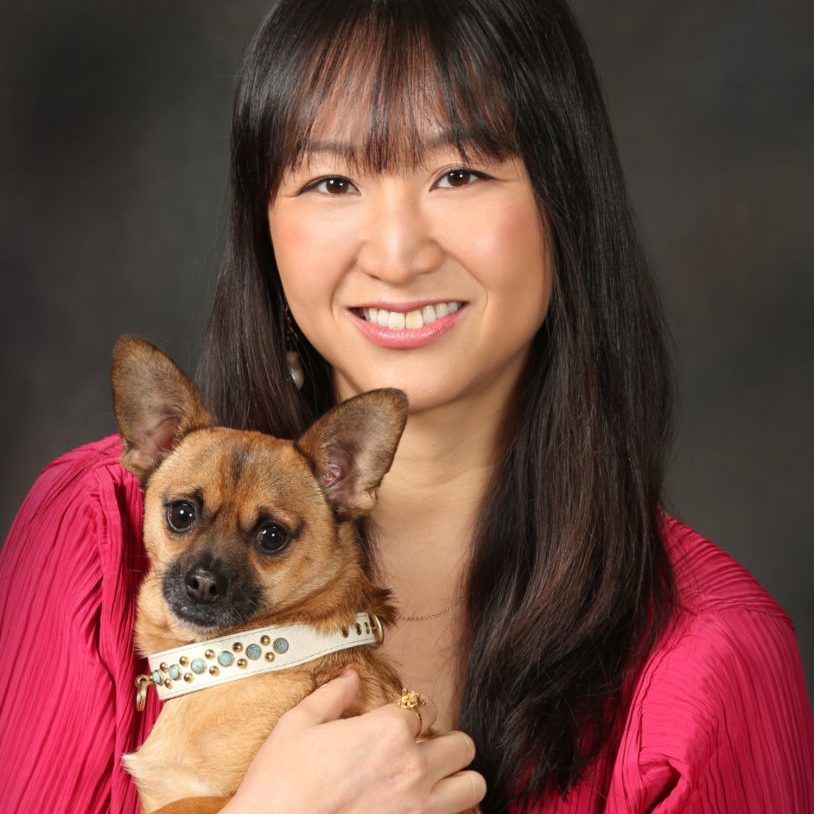
Marci Kwon is Associate Professor of Art & Art History and Marta Sutton Weeks Faculty Scholar in the Humanities at Stanford University. Her work explores alterity, minorness, value, and the ethics of relation in art and material culture, with a special focus on Asian American/diasporic artists and makers. At Stanford, Kwon co-directs the Asian American Art Initiative, and is affiliated with Modern Thought & Literature, American Studies, Asian American Studies, East Asian Languages & Cultures, Feminist and Gender Studies, and the Center for Comparative Studies in Race and Ethnicity. She is the recipient of numerous teaching awards, and her work has been supported by fellowships from the ACLS/Luce Foundation, the Smithsonian American Art Museum, the Getty Foundation, the Mellon Foundation, the Howard Foundation, the Center for Advanced Study in the Visual Arts, and an Andy Warhol Arts Writers Grant.
Matthew Morrison
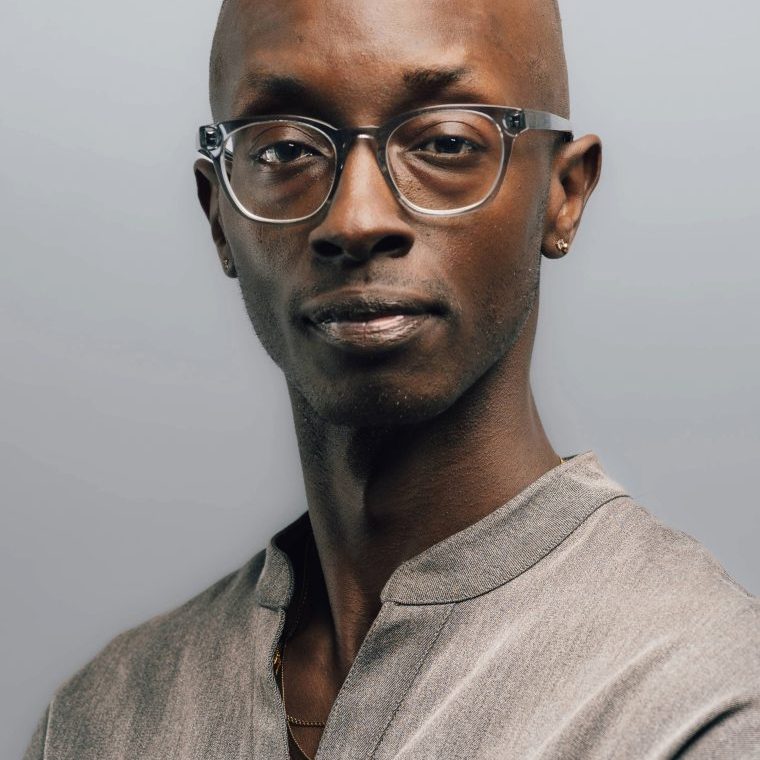
Matthew D. Morrison, a native of Charlotte, North Carolina, is an Associate Professor in the Department of African and African American Studies in the School of Humanities and Sciences at Stanford University. He is a musicologist whose research focuses on the relationship between music, identity, performance, as well as property and politics in and beyond American popular culture, with a particular focus on the analysis of race. He is the author of Blacksound: Making Race and Popular Music in the United States (UC Press, 2024), which has been recognized through accolades such as the Woody Guthrie Book Award from the International Association for the Study of Popular Music, The Irving Lowens Book Award from the Society of American Music, an honorable mention from the Royal Music Association’s Cambridge University Book Prize, and named a “Best Music Book of 2024) by Rolling Stone Magazine. His current research explores the ethics of AI and Intellectual Property in music.
Photo by James Napoli
Michael Rau
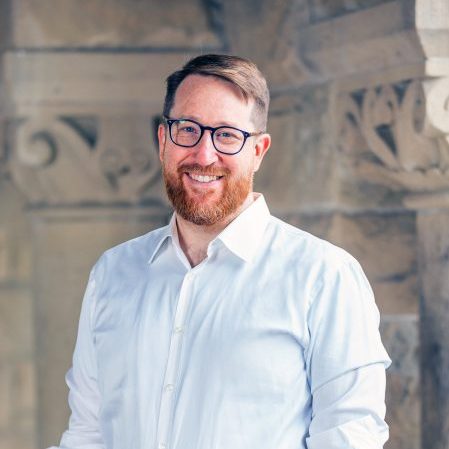
Michael Rau is a live performance director specializing in new plays, opera, and digital media, with work presented across nine countries including Germany, the UK, and Brazil. In New York, he has created work at Lincoln Center, The Public Theater, Ars Nova, and 59E59, and regionally at the American Repertory Theatre and the Humana Festival. His collaborations with composer Kate Soper have been performed by the Seattle Symphony and New York Philharmonic. His production "temping" was named one of the best of the 2024 Edinburgh Festival Fringe by the Guardian and Telegraph.
Rau's honors include a 2021 Google Artists + Machine Intelligence Research Award and fellowships from the Kennedy Center and National New Play Network. He has assisted directors including Ivo Van Hove and Anne Bogart. He serves at Stanford as affiliate faculty with the Institute for Human-Centered AI and Artistic Director within TAPS, as an Assistant Professor of Directing and Devising.
Photo by Harrison Truong
Tanya Aguiñiga
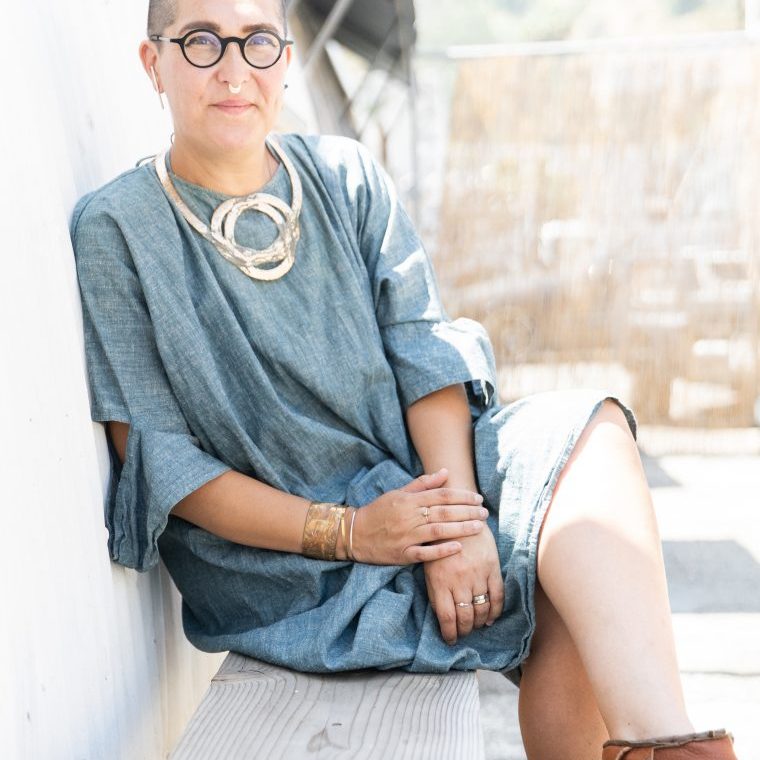
Tanya Aguiñiga was born in 1978 in San Diego, California, and raised in Tijuana, Mexico. An artist, designer, and craftsperson, Aguiñiga works with traditional craft materials to create sculptures, installations, performances, and community-based art projects. Drawing on her upbringing as a binational citizen, who crossed the border from Tijuana to San Diego daily for school, Aguiñiga’s work speaks of the artist’s experience of her divided identity and aspires to tell the larger and often invisible stories of the transnational community.
Tanya Aguiñiga holds an MFA in furniture design from Rhode Island School of Design and a BA from San Diego State University. She is a United States Artists Target Fellow in the field of crafts and traditional arts, a National Association of Latino Arts and Cultures awardee, Creative Capital grant awardee, and a recipient of an Americans for the Arts Johnson Fellowship for Artists Transforming Communities. She has had major solo exhibitions at the Fowler Museum, Los Angeles, CA (2024); albertz benda, New York, NY (2025); Museum of Art and History, Lancaster, CA (2025); Smithsonian American Art Museum, Washington, DC (2018); Museum of Arts and Design, New York (2018); among others. Her work has been included in exhibitions at Annenberg Space for Photography (2019) and Craft and Folk Art Museum, Los Angeles (2018), among others. Aguiñiga lives in Los Angeles, California.
Photo by Katie Levine
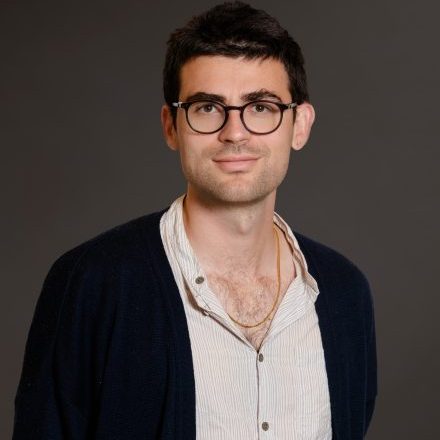
Vayu Hill-Maini
Vayu fell in love with cooking at a young age in his multicultural home in Stockholm, Sweden. He first moved to the U.S to work in restaurants, but the flavors, textures, and sensations of the kitchen eventually led him to scientific research. He received his B.A in Chemistry and Biology at Carleton College and his PhD in Biochemistry from Harvard University in 2020. Following postdoctoral training at UC Berkeley, Vayu joined Stanford in 2024. Vayu has also trained at diverse gastronomic institutions, including Basque Culinary Center, Fundación Alicia, and Michelin-star restaurants Alchemist, Blue Hill at Stone Barns. At Stanford, his lab – which houses a microbiology laboratory and a R and D kitchen space – is exploring fungi for delicious and sustainable future foods. He is a founder of the Stanford chef-in-residence program, which brings leading chefs to campus to collaborate at the interface of gastronomy, science, and art.
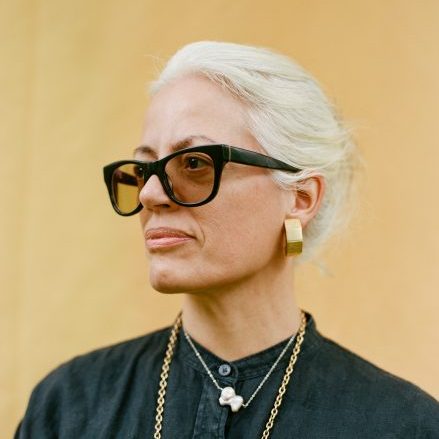
Yanira Castro
Yanira Castro’s work is rooted in communal construction as a rehearsal for radical democracy. She is an interdisciplinary artist born in Borikén (Puerto Rico), living in Lenapehoking (Brooklyn), and working at the intersection of communal practices, performance, installation, and interactive technology. She forms projects that center land and group governance in works activated and performed by the public.
Her recent works include a public art project during the U.S. 2024 election; a performance manual for reckoning; and a participatory podcast to rehearse for a collective future. She develops communal meals as a means of fostering connection and suturing histories. Her projects have been recognized with national awards, commissions and residency support. She is a 2026 Guggenheim Fellow.
Castro is an advocate for arts workers, working towards community-held, horizontal, participatory models of mutual care, and a founding member of Creating New Futures.
Photo by Josefina Santos
Program Team
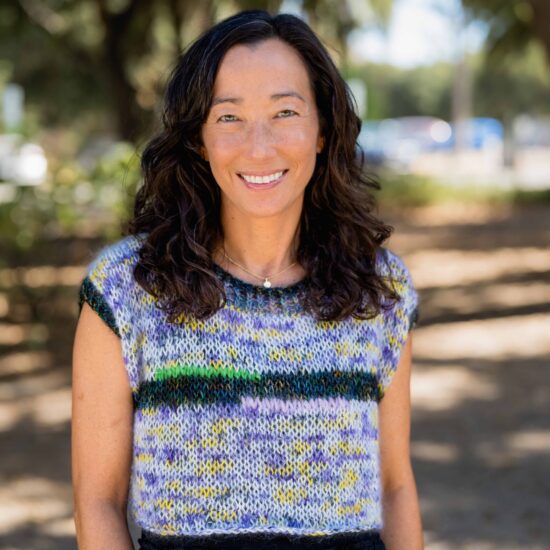
Ellen Oh
—Director of Interdisciplinary Arts Programs, Office of the Vice President for the Arts
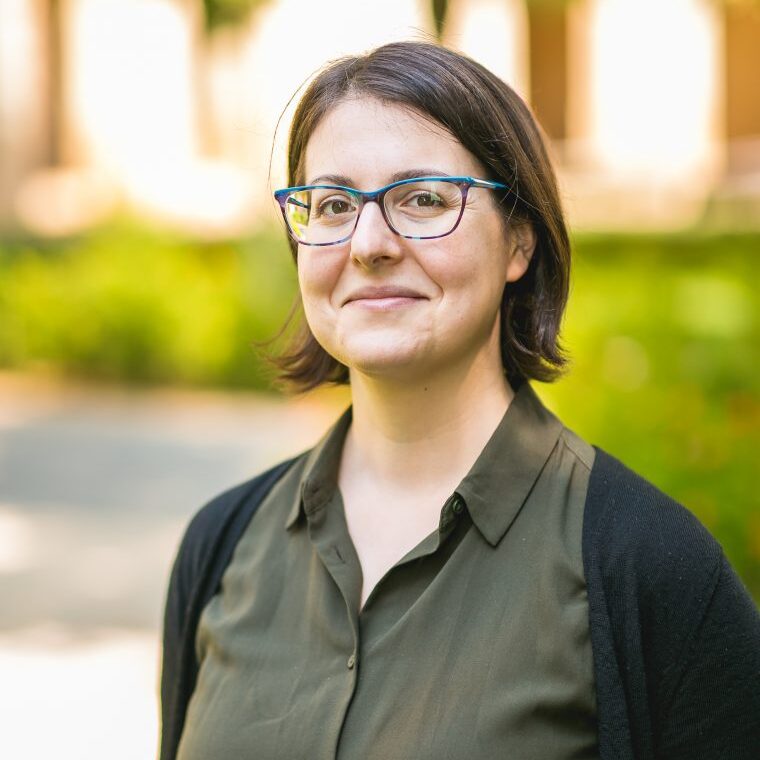
Sabrina Wilensky
—Director of Program Operations and Project Management, Office of the Vice President for the Arts
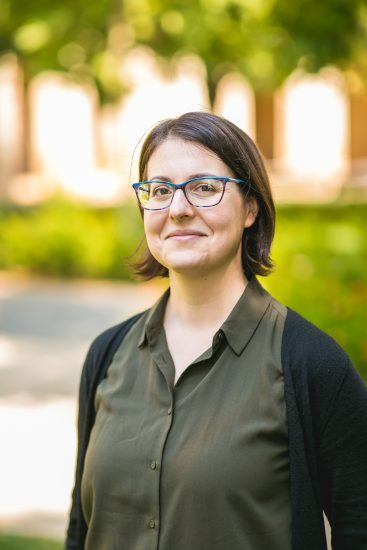
Sabrina Wilensky
Director of Program Operations and Project Management, Office of the Vice President for the Arts
Bio
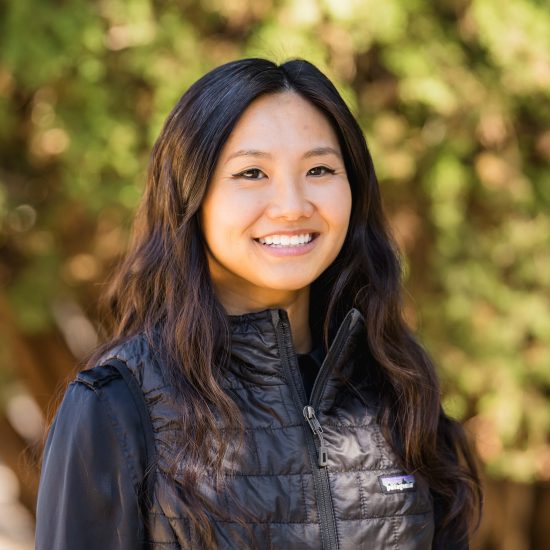
Edi Dai
—Program Associate, Office of the Vice President for the Arts
Edi Dai
Program Associate, Office of the Vice President for the Arts
Bio
Didn't find what you were looking for?